



UAE Exchange & Financial Services Ltd Franchise: Market Demand, Competitive Position and Growth Opportunity in India
A UAE Exchange & Financial Services Ltd franchise gives an investor entry into one of India’s most consistently active financial services categories, and unlike many low-investment opportunities, this one carries an operating history substantial enough to assess on its own merits rather than on promotional claims alone.
UAE Exchange & Financial Services Ltd and the Indian Services Franchise Opportunity
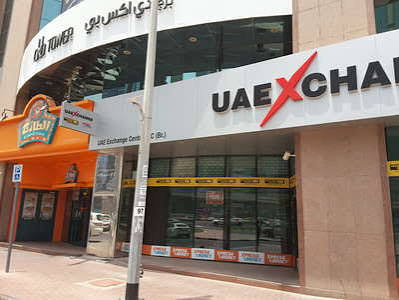
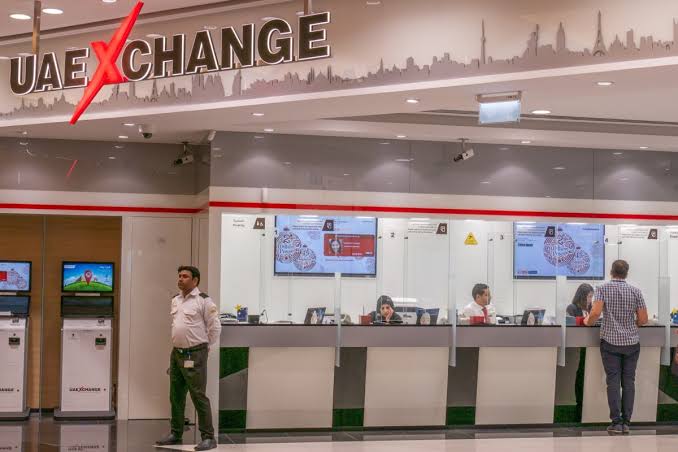
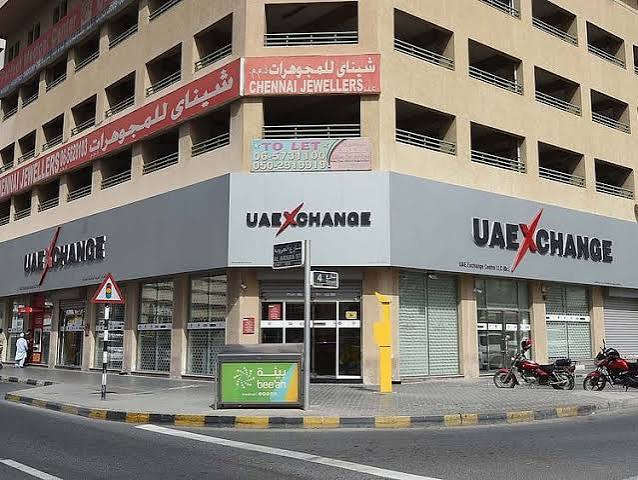
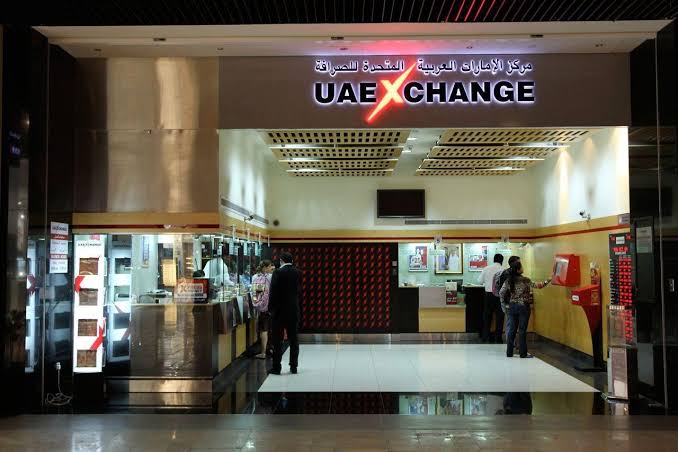
India’s outbound travel volume, education-led remittances, and small-business cross-border payments have all expanded faster than the network of licensed touchpoints capable of serving them, and that gap is exactly where a forex and remittance franchise sits. The client segment that feels this most acutely isn’t the metro traveler with easy access to a bank branch or airport counter — it’s the resident of a Tier 2 or Tier 3 city, the student’s family sending tuition abroad, or the small exporter who needs a transaction processed without traveling to a regional hub. A franchisor holding the regulatory backbone — the AD-II authorization, settlement relationships, and compliance systems — can extend its reach into dozens of such locations through franchisees far faster than it could by opening company-owned branches, which is precisely why a network of this scale has grown to several hundred outlets across India.
Why Demand for This Service Is Structurally Growing in India
Three forces are pushing this demand higher independent of any single economic cycle. Outbound travel from India has grown steadily as disposable incomes rise and visa access has eased for several destinations, creating recurring need for currency exchange and forex cards. Education remittances have grown alongside the number of Indian students studying abroad, and these transactions tend to repeat across multiple semesters per family. Meanwhile, regulatory tightening around foreign exchange transactions has pushed informal, unlicensed currency dealing further out of the market, channeling that demand toward properly licensed AD-II operators. None of these drivers depend on a particular season or a single year’s economic mood — they reflect structural shifts in how Indians travel, study, and transact internationally, which is why this category tends to hold up even when broader discretionary spending softens.
The Franchise Advantage Over Going Independent in This Service Category
Operating independently in this category isn’t realistic for most aspiring entrepreneurs, because obtaining and maintaining an AD-II license directly involves regulatory capital requirements, ongoing RBI reporting obligations, and banking relationships that take most independent applicants years to establish, if they can establish them at all. A franchisee instead operates under the brand’s existing license, settlement infrastructure, and compliance framework from day one. There’s also a credibility dimension that’s easy to underestimate: a client handing over funds for an international remittance wants assurance that the counterparty is legitimate, and an established brand name shortens that trust-building process considerably compared to an unbranded local operator. Add to this the peer network of fellow franchisees who’ve already solved common operational problems — staffing, local marketing, corporate outreach — and the time saved replicating that knowledge independently often outweighs the franchise fee itself.
Territory, Market Sizing, and the Opportunity in Indian Cities
A typical territory for this category covers a city or a defined zone within a larger metro, sized to support one outlet without direct cannibalization from a second franchise location. In a mid-sized Tier 2 city with a population in the few hundred thousand to low millions range, the addressable base includes outbound travelers, local exporters and importers, students applying abroad, and corporates with periodic forex needs — a base that easily runs into the tens of thousands of potential transactions annually across the full city, even though any single franchisee will capture only a fraction of it. Realistic penetration in the first two years tends to be modest and referral-driven rather than broad-based; franchisees who actively cultivate travel agents, education consultants, and local corporate accounts typically reach meaningful transaction volume faster than those relying on walk-in traffic alone.
Competitive Landscape: Who Else Serves This Market
The competitive field includes other forex franchise networks, bank-operated exchange counters, and a long tail of independent, often informally run money changers. Banks tend to serve their own existing account holders well but offer limited convenience or rate competitiveness for occasional forex needs, and their branch hours and documentation processes can be slow for time-sensitive travel needs. Independent local operators can offer flexibility but lack the licensing consistency, rate transparency, and recourse that risk-conscious clients increasingly look for, particularly after years of regulatory tightening around informal currency dealing. UAE Exchange & Financial Services Ltd’s franchise model occupies the space between these two extremes: licensed and standardized like a bank, but locally accessible and responsive like an independent operator — a combination that’s difficult for either competing category to fully replicate.
The Recurring Revenue Advantage of This Business Model
While any individual forex or remittance transaction is a discrete event rather than a subscription, the client relationships in this category behave more like recurring revenue than one-off project work. A family sending education remittances returns multiple times per academic year; a frequent traveler returns before every trip; a small exporter transacts on a regular cycle tied to their own business activity. This repeat-transaction pattern is what makes the indicative monthly revenue range for an established franchise location meaningful over time rather than a one-time spike — the bulk of sustainable revenue comes from a base of returning clients rather than constant new-client acquisition, which is also why retention-focused service quality matters more in this category than aggressive marketing spend.
Who Captures the Most Value From a UAE Exchange & Financial Services Ltd Franchise
The franchisees who extract the most value from this model tend to combine three things: enough financial literacy to handle documentation and compliance without friction, an existing or quickly-built local network among travel agents, education consultants, and small businesses, and the discipline to follow service delivery procedures consistently rather than treating each transaction as a one-off. This combination is what converts a license and a counter into a defensible local asset, because the regulatory barrier keeps casual competitors out while the relationship network determines who actually wins the recurring business within that protected space.
Accepting franchise applications in 10 states & UTs
How does UAE Exchange & Financial Services Ltd compare to starting an independent practice in this service category?
Going independent would require securing AD-II authorization directly, building settlement relationships with banking partners, and establishing compliance systems from scratch — a process that takes most applicants years, whereas a franchisee operates under existing licensed infrastructure from the outset.
What is the addressable market size for UAE Exchange & Financial Services Ltd's services in a typical Indian city?
A mid-sized city typically has thousands of outbound travelers, students, and small businesses with periodic forex or remittance needs annually, though any single franchise location captures only a portion of that base depending on local outreach and referral strength.
Does UAE Exchange & Financial Services Ltd compete with large corporate service providers or serve a different segment?
It largely serves a segment between bank branches and informal local operators — clients who want licensed reliability without the slower process and limited hours typical of bank-operated counters.
What is the client retention rate in the UAE Exchange & Financial Services Ltd franchise network?
Specific network-wide retention figures vary by location, but the business model is structurally repeat-transaction driven, since travelers, students, and businesses with recurring forex needs tend to return to a provider they've trusted before.
How is UAE Exchange & Financial Services Ltd's territory exclusivity structured?
Territories are typically defined by city or zone to avoid direct overlap between franchise locations, with exact boundaries and exclusivity terms confirmed during the franchise agreement discussion.
Disclaimer: All scores, rankings, and estimates on ForeFind are independently produced editorial assessments using publicly available data and validated brand-submitted information. They are not verified facts, financial advice, or investment recommendations. Full Disclaimer.
