



The New Shop Franchise: Store Operations, Daily Management and What Owning This Business Looks Like
What The New Shop Sells and Who Buys It
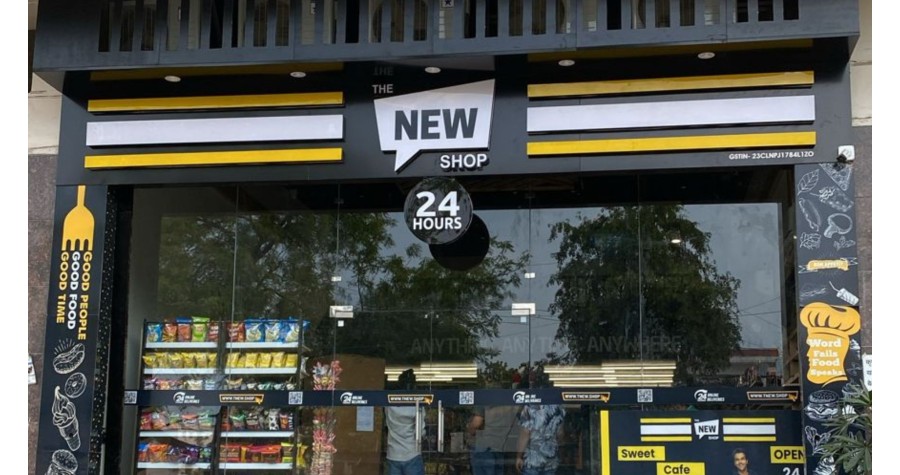
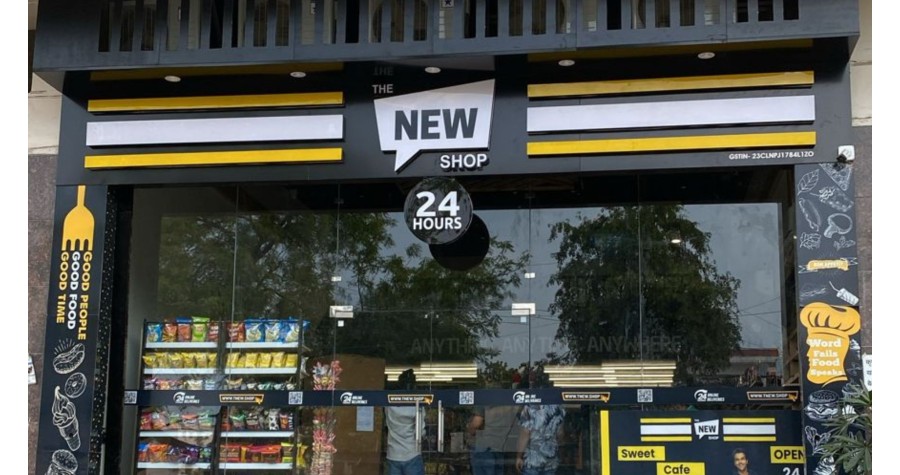
The New Shop operates as a modern convenience and department store format, stocking the everyday categories that households return to on a weekly basis: grocery staples, packaged foods, personal care, household consumables, and a curated range of impulse and top-up items suited to a neighbourhood shopping trip. The core consumer is the individual or family shopper who treats a well-run local store as a default destination for daily and weekly needs — not a destination shopper making a planned excursion, but a proximity buyer whose loyalty is built on consistency, availability, and a store environment that is noticeably better than the independent alternatives nearby. With between 100 and 200 stores operating across India and a franchising history of nearly two decades, The New Shop franchise has accumulated the kind of network depth that tells a consumer the brand will be there tomorrow, which is the first requirement for building genuine repeat purchase.
What Happens in a The New Shop Store Every Day
The daily rhythm of a The New Shop store is not complicated, but it is unforgiving of inconsistency. The morning opening sets the standard for the day: shelves checked, gaps from overnight stock movement identified and filled, floor swept, POS systems confirmed operational, and the store ready for customers before the first walk-in arrives. In a 600–1,000 square foot convenience format, the margin for visible disorder is very low — a shopper who notices an empty shelf, a pricing discrepancy, or a messy display in a store of this size forms an impression that takes multiple visits to reverse.
During trading hours, the franchisee’s personal involvement is most impactful in two areas: managing the floor during peak windows — typically early morning, lunchtime, and the after-school-and-work hour from 5pm to 8pm — and reviewing daily sales and stock data at close. The trained store team handles customer transactions, shelf restocking from backroom inventory, and routine housekeeping. What the franchisee personally contributes is judgment: which lines to prioritise in a partial delivery, how to handle a dissatisfied customer, when a promotional placement is generating genuine uplift versus simply taking up floor space. POS reconciliation at end of day feeds directly into reorder decisions for the following morning.
Merchandise Planning, Display and Visual Standards
Visual standards in a modern convenience format are not optional performance indicators — they are the primary signal a store sends to a first-time customer about whether the brand is worth returning to. The New Shop’s store design and display standards, applied across a network of this scale, create the consistency that makes the brand recognisable across locations. For the franchisee, maintaining those standards day-to-day means treating merchandise presentation as a non-negotiable operational task rather than something addressed only before inspections or during quiet periods.
Category zoning, clear price labelling, well-faced shelving, and a promotional bay managed to the brand’s current campaign calendar are the core elements of visual execution. New product ranges in the convenience category arrive with reasonable frequency, driven by FMCG brand launches and seasonal promotions — franchisees who stay current with the brand’s product update communications and clear slow-moving lines proactively, rather than letting them occupy premium shelf positions, protect both their margin and the quality impression the store makes. Slow-moving inventory managed early through localised promotion costs less than the same stock handled as clearance after it has sat visibly stale on a shelf for weeks.
Staff Requirements and the Hiring Reality
Building a reliable team for a The New Shop store in a Tier 2 city requires approaching hiring differently than the brand’s metro counterparts. Experienced convenience retail staff — people who already know planogram execution, POS operation, and customer service standards in an organised retail environment — are scarce in secondary cities. The practical approach is to hire for reliability and interpersonal quality first, and then train for the technical skills the brand’s onboarding covers.
A typical store in this footprint operates with four to six staff across its trading day: a senior floor person who can run operations independently, two to three sales associates covering customer service and shelf management, and a billing operator during peak hours. The franchisee who invests time in structured onboarding for each new hire — clear task checklists, direct feedback in the first weeks, and consistent recognition for well-executed work — builds a team that stays. Retail staff turnover in secondary cities is high, but it concentrates in stores where the working environment feels chaotic or where the owner’s standards are unclear. A well-run store with a present and communicative franchisee retains staff at meaningfully lower turnover rates than the category average.
Supply Chain, Reordering and Inventory Management
Inventory management in a 600–1,000 square foot convenience store is a discipline of frequency rather than volume. The store does not have the backroom capacity to carry weeks of buffer stock, which means reordering needs to happen before shelf depletion rather than in response to it. Franchisees who establish a regular reorder rhythm — daily or every two days for the highest-velocity lines, weekly for slower categories — maintain the shelf presence that drives customer return visits. A consistent stockout on a fast-moving product trains nearby customers to stop expecting it, which is harder to reverse than it is to prevent.
Lead times from order to delivery in the organised convenience franchise supply chain typically run two to four days depending on the franchisee’s location relative to the nearest distribution point. When a product sells out before the next scheduled delivery, the options are advance notification to the supply team to expedite, or a temporary localised substitution communicated clearly to customers. Franchisees who treat the supply chain as a partnership — flagging velocity anomalies early rather than waiting until shelves are bare — get better outcomes than those who manage inventory reactively.
Brand Support: Marketing, Promotions and National Campaigns
The 4% royalty that The New Shop charges franchisees funds, in part, the national marketing and promotional activity that benefits every store in the network. At the store level, this translates into campaign materials, promotional pricing structures with FMCG brand partners, and the brand identity investment that makes The New Shop recognisable to consumers who have encountered it in a different city or neighbourhood. Franchisees receive campaign calendars and in-store promotional materials aligned to the national promotional schedule.
Local activation of those campaigns is the franchisee’s responsibility — a promotional price on a cooking oil brand achieves its potential footfall impact only if the store’s promotional bay is properly set, the price is clearly labelled, and the stock is adequate to meet the anticipated uplift. Franchisees who add local community touchpoints — a housing society WhatsApp group, a local social media presence for the store, word-of-mouth built through consistent service — find that national campaigns convert to foot traffic at a higher rate than stores relying entirely on the brand-level spend without any local amplification.
Who Runs a The New Shop Store Successfully
The franchisee profiles that consistently generate strong same-store sales growth at The New Shop share three characteristics: they are physically present during peak trading hours rather than managing by report, they treat the weekly task of reviewing which categories are growing and which are stalling as a genuine operating discipline, and they engage with the brand’s product and promotional updates rather than running a static range month after month. Established small business owners who bring supplier negotiation instincts and staff management experience from prior ventures reach operational stability faster than first-time operators, but the category intelligence that drives performance comes from watching the specific community the store serves, not from generic retail experience. Franchisees who hand the daily operation entirely to a manager before they have personally developed a working knowledge of their store’s consumer patterns and velocity profile consistently find that the break-even timeline extends toward its outer boundary — not because the model fails, but because the local judgements that differentiate a good convenience store from an average one require someone with genuine ownership accountability making them in real time.
Accepting franchise applications in 34 states & UTs
What space is required for a The New Shop franchise store?
A The New Shop franchise store requires between 600 and 1,000 square feet of retail space, ideally on the ground floor of a residential or high-street location with strong daily foot traffic. The lower end of this range suits a compact convenience format with a focused product selection, while a 900–1,000 square foot store allows for fuller category depth across grocery, FMCG, and household lines. Ground-floor positioning is important for the format's accessibility and visibility to passing pedestrian traffic.
How long does the setup process take for a The New Shop store?
Setup for a The New Shop store at this investment level typically takes six to ten weeks from lease finalisation to opening day, covering fit-out, fixture installation, initial inventory loading, staff recruitment, and brand training. Franchisees who have their location secured and trade licence applications initiated before beginning the fit-out phase tend to stay within that window; those who sequence these tasks consecutively rather than in parallel commonly experience delays of two to four additional weeks. The brand's store design and setup guidance structures the fit-out process, reducing the open-ended decision-making that extends independent retail setup timelines.
What product training and retail operations training does The New Shop provide?
The New Shop provides training covering the brand's product range, store operations standards, POS system usage, visual merchandising requirements, and customer service expectations. Training is designed to prepare both the franchisee and key staff to operate the store to brand standards from day one. The specific duration and delivery format of available training — whether conducted at a central training location or in-store — is best confirmed directly with the brand during the enquiry and onboarding process, as training structures develop alongside network scale.
Can a The New Shop store be run semi-absentee with a store manager in place?
The New Shop is structured as an owner-operated format, and the operational characteristics of the model reflect that. A competent store manager can handle routine daily operations once the franchisee has established clear systems, a trained team, and a thorough personal understanding of the store's performance patterns — typically from twelve months of direct involvement onward. Franchisees who move to a lighter-touch ownership structure before reaching that operational foundation consistently find that same-store performance plateaus below its potential. Exclusive territorial rights protect the franchisee's catchment, but those rights are only as valuable as the operation within the territory is consistently well-run.
How does The New Shop support franchisees during festive season demand peaks?
The festive quarter from October through January represents the highest-revenue period for most The New Shop stores, driven by elevated household spending on packaged goods, gifting categories, and festival-specific FMCG promotions. The brand's FMCG partnerships enable promotional pricing during this period that independent stores cannot access at equivalent terms. Franchisees who communicate their anticipated inventory requirements to the brand's supply team four to six weeks before peak periods are better positioned to secure adequate stock depth before distribution capacity is fully allocated. Temporary staffing additions for the festive window are worth recruiting and onboarding in September rather than mid-October, when the training window has closed and the peak has already arrived.
Disclaimer: All scores, rankings, and estimates on ForeFind are independently produced editorial assessments using publicly available data and validated brand-submitted information. They are not verified facts, financial advice, or investment recommendations. Full Disclaimer.
