


The French Loaf Franchise: Market Position, Category Opportunity and Competitive Edge
The French Loaf and Where It Fits in India’s Food Franchise Landscape
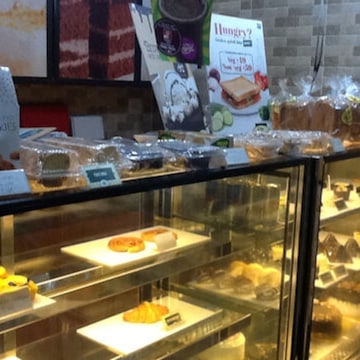
The French Loaf franchise is a Chennai-origin patisserie and bakery concept offering cakes, pastries, breads, sandwiches, and occasion-focused products from a compact 150 to 250 square foot retail format. The brand is operated under Oriental Cuisines Private Limited (OCPL), which manages 190-plus food service units across India — a parent company infrastructure that distinguishes this franchise from standalone bakery brands. The French Loaf targets the accessible premium consumer: families and individuals who want quality-assured, café-style bakery products for everyday consumption and occasion purchases, at pricing that does not require luxury spending but noticeably exceeds unorganized local bakery alternatives.
What makes this position defensible is the occasion cake and patisserie anchor. A consumer choosing where to buy a birthday cake or a wedding anniversary pastry is making a trust purchase — they want consistency, visual quality, and brand assurance. The French Loaf’s 90-plus outlet network across Chennai, Bangalore, Coimbatore, and Kolkata provides the consumer recognition and occasion track record that independent bakeries typically take a decade to develop. Franchisees enter a market with pre-existing brand awareness rather than building it from zero.
Why This Food Format Is Growing in India Right Now
The premium patisserie category is growing in India because it serves a dual demand function that neither pure restaurant nor commodity bakery formats address well. The first is the everyday premium occasion — a Monday birthday at the office, a Friday evening family treat, a quick breakfast sandwich for a dual-income household with limited morning time. The second is the special occasion category — wedding cakes, anniversary pastries, customized celebration pieces — where the consumer’s willingness to pay a premium is anchored in the event’s emotional significance. A brand that spans both occasion types serves a wider customer base more frequently than a purely celebration-focused bakery.
Structurally, this demand is growing because India’s urbanization is producing more dual-income households who value the quality assurance and convenience of a branded patisserie over the variable experience of an unorganized local bakery. In Tier 2 cities, this structural shift is currently at an earlier stage than in metros, which means the organized patisserie category is capturing share from unorganized alternatives at a faster pace — precisely the market dynamic that creates first-mover advantage for a well-established brand entering a new market.
What The French Loaf Does Differently From Independent Food Outlets
An independent patisserie building comparable capabilities faces three structural disadvantages relative to a French Loaf franchise. First, recipe and product development: building a bakery range that spans occasion cakes, pastries, European-style breads, and savory items to a consistent quality standard requires significant culinary investment that independent operators rarely achieve without years of trial. The French Loaf’s established menu, refined over 16 years of franchising, transfers this expertise to the franchisee without the development cost.
Second, the OCPL parent infrastructure. Being part of a company that operates 190-plus outlets and has served over 30 million consumers annually brings operational system depth — standardized procedures, training programs, FSSAI compliance frameworks — that an independent building from scratch simply cannot access at any comparable investment level. Third, occasion marketing: The French Loaf participates in the life events of its consumer base — birthdays, weddings, celebrations — which creates an emotional brand relationship that commodity bakeries never build and that drives repeat occasion purchase behavior across the customer’s lifetime. This is not a loyalty card dynamic; it is a genuine brand attachment that produces defensible revenue.
The Investment Case: How The French Loaf Compares at This Price Point
At the INR 10 to 20 lakh investment range, food franchise options typically divide between commodity quick-service formats with thin margins and limited brand identity, and specialty formats with stronger positioning but variable operational infrastructure. The French Loaf franchise occupies a distinct position: a 16-year-old patisserie brand growing at 2.2 new units per year backed by a parent company with 30 years of food service operational experience in India. The measured expansion rate — 2.2 units annually rather than aggressive scaling — reflects a system that prioritizes franchisee viability over rapid network growth, which is a commercially meaningful signal for investors evaluating long-term return on a mid-investment commitment.
The compact 150 to 250 square foot format keeps occupancy costs at a level where the business can sustain itself at moderate daily transaction volumes, reducing the break-even revenue threshold relative to larger-format bakery concepts at the same investment level. This size-to-revenue relationship is one of the more commercially efficient configurations available in the mid-investment Indian food franchise category.
Geographic Opportunity: Where The French Loaf Is Expanding
The French Loaf’s current presence across Chennai, Bangalore, Coimbatore, and Kolkata leaves most of India’s urban market uncommitted. The strongest near-term white space lies in Tier 2 cities — Hyderabad suburbs, Pune, Ahmedabad, Jaipur, Nagpur — where the aspirational consumer demographic for premium bakery products is growing, organized patisserie alternatives are limited, and the French Loaf’s South Indian operational origin provides a natural expansion pathway into adjacent markets. The brand’s 90-plus outlet network provides franchisees with an existing consumer recognition base that new market entries can reference, which accelerates trust-building with consumers in cities where the brand is newly present.
Territory allocation and exclusivity provisions are confirmed during the franchise evaluation process with OCPL. Given the compact outlet format, city-level territory management for a patisserie brand is typically handled through location proximity guidelines rather than strict geographic boundaries, and franchisees in active expansion markets should clarify inter-franchisee distance provisions during due diligence.
The Risks of This Category and How The French Loaf Mitigates Them
Delivery platform margin pressure affects all bakery and patisserie formats that depend on Swiggy and Zomato for new customer acquisition, with commissions of 25 to 30 percent compressing per-order margin on lower-ticket items. The French Loaf’s occasion cake category partially mitigates this because higher-ticket custom orders are more commonly placed directly — through phone, WhatsApp, or in-store — reducing the platform commission proportion of total revenue for franchisees who develop their direct order relationships actively. Raw material volatility — butter, dairy, specialty ingredients — affects bakery margin unpredictably; the OCPL parent company’s procurement scale provides some buffer relative to an independent sourcing in small quantities. FSSAI compliance is managed through the brand’s operational framework and training. Location dependency remains the most significant residual risk — The French Loaf’s site selection support reduces the probability of poor location choices, but the franchisee’s own assessment of local consumer demographic density is the critical final judgment.
Who Captures the Most Value From a The French Loaf Franchise
Experienced professionals making a transition into food entrepreneurship and small retailers upgrading from independent bakery operations to a branded model both find The French Loaf franchise commercially productive when they bring specific operational habits: daily floor presence during the first year, active community engagement with the residential and corporate consumers within their catchment, and a treatment of the occasion cake pipeline — birthdays, weddings, anniversaries — as a managed business development activity rather than a passive inbound revenue stream. The franchisee who knows the birthday calendar of their top 50 regular customers, who follows up proactively with event planning reminders, and who builds the office and corporate gifting relationships in their area builds a recurring occasion revenue base that sustains break-even well before the 18-month end of the timeline. The French Loaf franchise rewards this local relationship investment consistently.
Accepting franchise applications in 8 states & UTs
Disclaimer: All scores, rankings, and estimates on ForeFind are independently produced editorial assessments using publicly available data and validated brand-submitted information. They are not verified facts, financial advice, or investment recommendations. Full Disclaimer.
