



Tekno Electro Solutions Pvt Ltd Franchise: Investment, Revenue Model and Return Potential in India’s Travel and Hospitality Sector
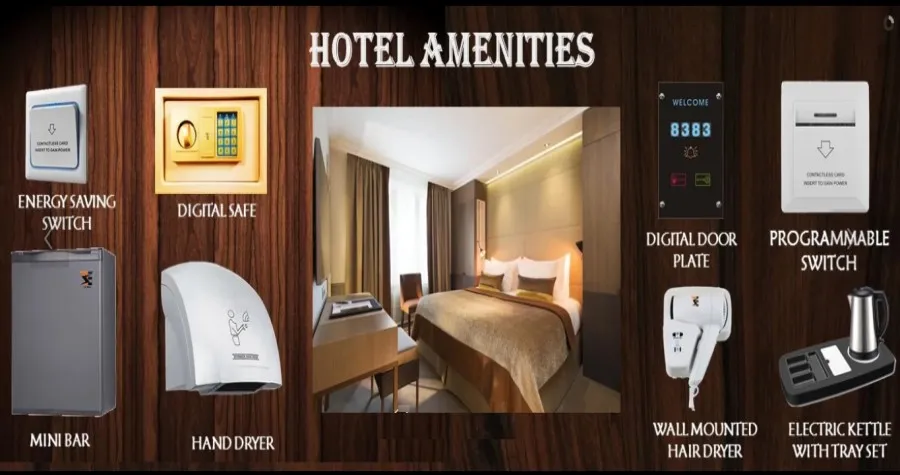
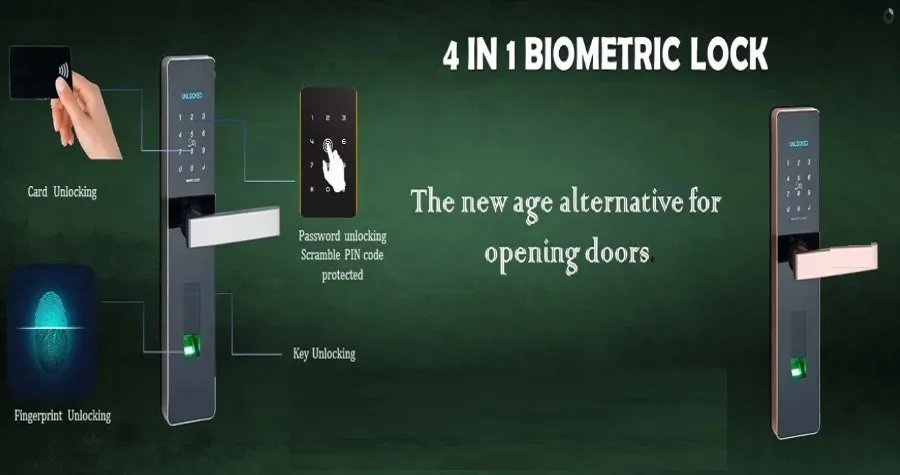
A Tekno Electro Solutions Pvt Ltd franchise operates one step removed from the traveller-facing side of hospitality, supplying hotels, resorts, and other hospitality businesses with the security, access control, and automation systems that properties need to operate. Its customer base is exclusively corporate: hotel chains, independent property owners, and hospitality groups procuring electronic locks, surveillance systems, and gate or barrier automation rather than individual consumers booking a stay. India’s hospitality sector has been adding new properties and renovating existing ones at a steady pace over the past several years, driven by rising domestic and business travel, and every new or upgraded property represents a procurement cycle for exactly the category of equipment this franchise supplies, which is the underlying reason this B2B niche is worth evaluating alongside more visible, guest-facing hospitality franchises.
Revenue Model and Seasonal Distribution
Because this business sells to hotels rather than travellers directly, its seasonal rhythm follows hospitality capital expenditure cycles rather than tourist footfall. Procurement activity tends to concentrate around periods when hotels plan refurbishments or new openings, often timed before peak travel seasons so properties are upgrade-ready when bookings rise, which typically clusters demand in certain quarters and leaves others comparatively quiet. During slower stretches, a franchisee’s revenue depends heavily on maintenance contracts, replacement parts, and smaller add-on orders from existing hotel clients rather than large new installations. This is precisely why the category carries a high seasonality rating: order volume can swing significantly depending on how many hospitality capex projects are active in a given quarter, and franchisees need a maintenance and service revenue base to avoid long stretches without cash flow.
Fixed Cost Burden and Operating Leverage
With a staff requirement in the range of three to ten people and a semi-absentee operating structure, the fixed cost base here is lighter than a guest-facing hospitality business, but it is far from negligible. Rent for a commercial showroom or warehouse space, salaries for a small technical and sales team, and inventory carrying costs for electronic locks, surveillance equipment, and automation hardware all continue regardless of how many orders close in a given month. Given the category’s low recession resistance, a franchisee needs enough order volume each quarter to cover these fixed costs comfortably during the demand troughs, since hospitality clients tend to defer non-essential equipment upgrades first when their own occupancy or capital budgets tighten, which directly compresses this franchise’s order pipeline during downturns.
Investment Breakdown and What It Covers
The stated investment range covers the franchise licence, initial inventory of core product lines such as electronic locks and surveillance hardware, showroom or office setup within the required commercial space, and training for the technical staff who will install and service these systems for hotel clients. Because the business depends on relationship-driven B2B sales rather than walk-in retail traffic, a meaningful share of this capital should also be treated as a working capital buffer to sustain operations through a slow procurement quarter, particularly in the first year before a franchisee has built a base of hotel clients generating recurring maintenance revenue.
Corporate and B2B Revenue as a Stability Anchor
Unlike guest-facing hospitality franchises that need to deliberately build a B2B layer to offset consumer seasonality, this franchise is built entirely on B2B revenue from the outset, since hotels and hospitality groups are its only customer type. That structural difference cuts both ways. It removes exposure to individual consumer booking volatility entirely, but it also means the business has no consumer revenue floor to fall back on when hospitality sector capital spending slows; if hotel clients pause equipment purchases, there is no parallel leisure revenue stream to absorb the gap. The franchisees who manage this best build long-term maintenance and service contracts with existing hotel clients, which generate steadier, less cyclical revenue than one-time installation orders alone.
Risk Factors Specific to Travel and Hospitality
This franchise’s risk profile is shaped less by traveller sentiment and more by what happens to hospitality sector investment when conditions turn uncertain. Geopolitical disruptions or regional instability that suppress travel demand eventually filter through to hotel capital spending, since properties with falling occupancy delay equipment upgrades. The category’s pandemic sensitivity is real but indirect, a sharp drop in travel reduces hotel revenue, which in turn reduces hotel procurement budgets for the kind of security and automation systems this franchise supplies. Fuel price volatility affects the business only secondarily, through its dampening effect on travel and therefore hospitality capex. Online platform disruption is largely irrelevant here, since the franchise sells equipment to hotel operators rather than competing for traveller bookings.
Who This Investment Suits
This model suits investors with a hospitality sector background who already understand procurement cycles and ideally carry existing relationships with hotel owners, property management companies, or hospitality consultants who can become early customers. Capital depth matters here specifically because order volume can fluctuate sharply between quarters, and a franchisee needs reserves to ride through a quiet procurement period without cutting technical staff or service quality. Investors who cannot sustain operations through two consecutive lean quarters, whether due to thin working capital or an absence of any hotel client relationships built in advance, tend to be the ones who exit this category early, since the business offers no consumer revenue cushion to fall back on during a slow stretch.
Accepting franchise applications in 34 states & UTs


How much does it cost to open a Tekno Electro Solutions Pvt Ltd franchise?
The investment falls within a mid-range bracket and covers the franchise licence, initial product inventory, commercial space setup, and technical staff training, with a portion best reserved as working capital for the early procurement cycles.
How does Tekno Electro Solutions Pvt Ltd revenue vary across seasons in India?
Revenue tends to track hospitality capital expenditure cycles rather than tourist travel patterns directly, with order volume rising when hotels plan renovations or new openings and softening during periods when hospitality capex slows.
What is the minimum monthly revenue needed to cover Tekno Electro Solutions Pvt Ltd operating costs?
Given the lean staffing structure and commercial space requirement, fixed costs are moderate compared to guest-facing hospitality businesses, but franchisees still need consistent installation and maintenance order volume to comfortably clear monthly overheads during slower procurement quarters.
Does Tekno Electro Solutions Pvt Ltd support franchisees in building corporate client accounts?
The franchise's entire customer base is corporate by design, and while brand recognition aids initial conversations with hotel procurement teams, building and retaining individual hotel client relationships remains primarily the franchisee's responsibility.
How many Tekno Electro Solutions Pvt Ltd franchise locations are operating in India?
The network currently spans a growing base of franchise locations, reflecting steady but measured expansion consistent with a B2B hospitality supply model rather than rapid, high-volume rollout. Investors evaluating a Tekno Electro Solutions Pvt Ltd franchise should approach it as a hospitality-adjacent B2B equipment business whose fortunes rise and fall with hotel sector investment cycles, making prior hospitality industry relationships and adequate working capital reserves the two factors that most determine whether the venture performs steadily across uneven quarters.
Disclaimer: All scores, rankings, and estimates on ForeFind are independently produced editorial assessments using publicly available data and validated brand-submitted information. They are not verified facts, financial advice, or investment recommendations. Full Disclaimer.
