



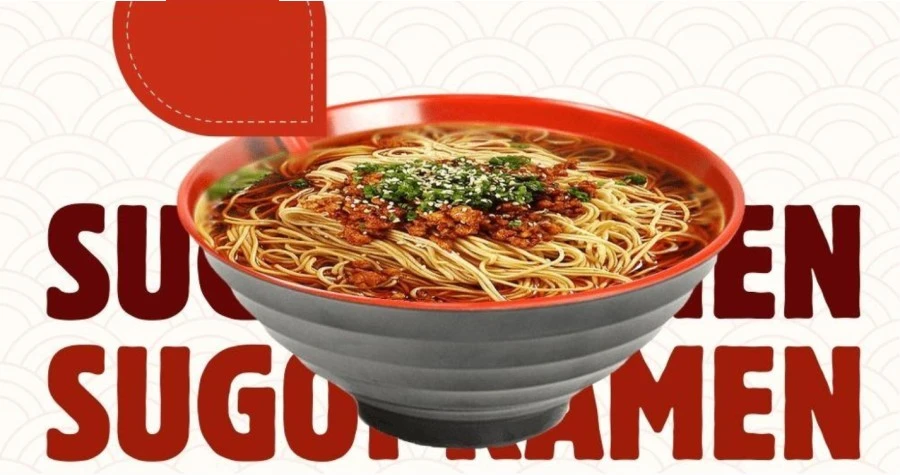
Sugoi Ramen Franchise
1. Franchise Quick Facts
| Brand Name | Sugoi Ramen |
|---|---|
| Industry | Food & Beverage |
| Business Category | Restaurant |
| Founded Year | 2024 |
| Franchise Started | 2025 |
| Total Franchise Outlets | 1–10 |
| Estimated Investment | INR 10–20 Lakhs |
| Franchise Fee | INR 2,50,000 |
| Royalty Fee | 8% of revenue |
| Space Requirement | 200–250 sq. ft. |
| Staff Requirement | Kitchen staff, chefs, and service personnel as needed |
| Expected Payback Period | 1–2 Years |
2. What is Sugoi Ramen?
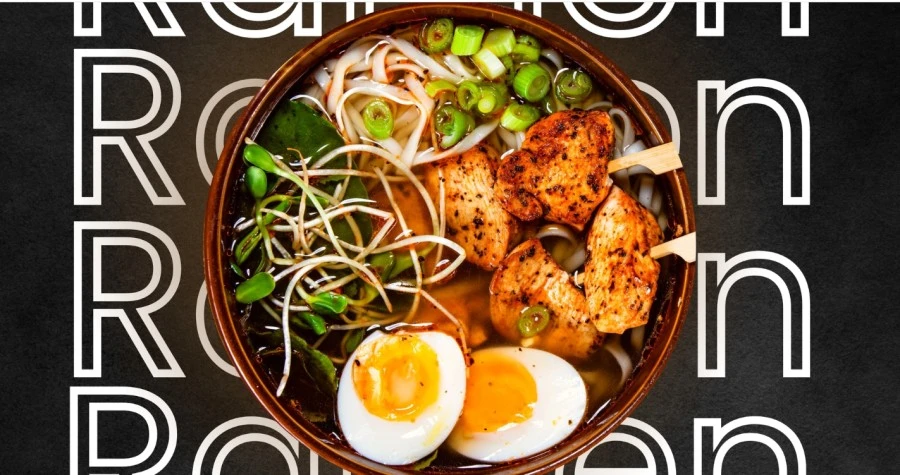
Sugoi Ramen operates in the restaurant segment, specializing in Japanese ramen cuisine. It serves customers seeking authentic, high-quality ramen experiences. The brand falls under small-format specialty dining franchises, providing traditional Japanese culinary offerings with modern operational practices suitable for both dine-in and delivery services.
3. How the Business Works
Franchise outlets function as dining and delivery points. Customers interact by placing orders for dine-in, takeaway, or online delivery. Operations involve:
- Preparing broths and noodles according to standardized recipes
- Cooking, plating, and serving ramen dishes
- Managing customer service, billing, and order fulfillment
- Inventory tracking and ingredient sourcing
Revenue is generated from meal sales, takeaway, and delivery orders, with repeat visits driven by product quality and customer experience.
4. Products or Services Offered
Franchise outlets provide:
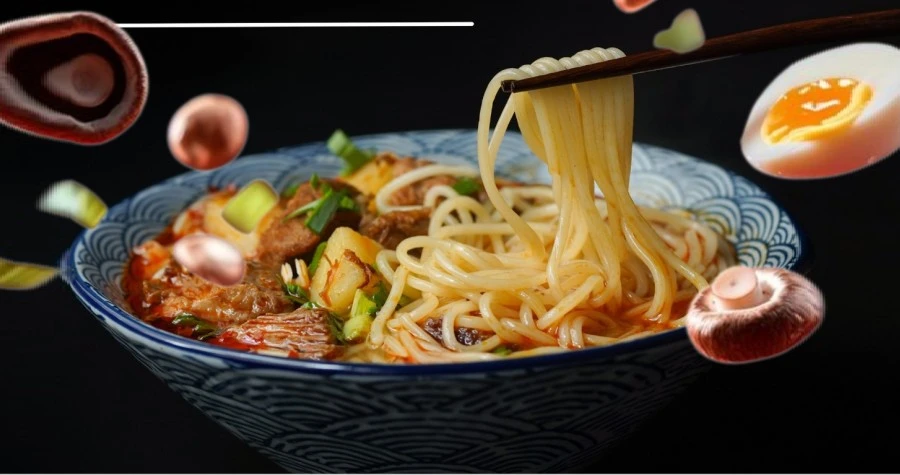
| Ramen Bowls | Variety of traditional and signature broths with fresh noodles |
|---|---|
| Side Dishes | Japanese appetizers and accompaniments |
| Beverages | Soft drinks, Japanese teas, and complementary drinks |
| Takeaway & Delivery | Packaged meals for convenience and cloud kitchen operations |
The product mix allows catering to both dine-in guests and delivery customers.
5. How the Franchise Model Works
Franchise partners manage daily outlet operations under brand guidelines. Responsibilities include:
- Overseeing kitchen preparation and service quality
- Managing staff, inventory, and customer experience
- Implementing marketing and promotional activities locally
- Maintaining hygiene and safety standards
Franchisor support ensures recipe consistency, operational efficiency, and marketing alignment.
6. Franchise Cost and Investment Overview
Startup costs typically include:
| Estimated Investment | INR 10–20 Lakhs covering kitchen setup, equipment, and initial inventory |
|---|---|
| Franchise Fee | INR 2,50,000 for brand usage and onboarding |
| Setup Costs | Cooking equipment, display counters, seating (if applicable), and POS systems |
| Royalty Payments | 8% of revenue as ongoing fee for brand support |
The investment is structured for small-format, high-quality ramen outlets with potential for both dine-in and delivery services.
7. Space and Infrastructure Requirements
Key requirements include:
| Area | 200–250 sq. ft. for kitchen, prep space, and limited seating |
|---|---|
| Location Type | Urban neighborhoods, commercial areas, or high-footfall delivery zones |
| Equipment Needs | Noodle machines, cooking stations, storage, refrigeration, and POS systems |
| Staffing | Chefs trained in ramen preparation, kitchen assistants, and service personnel |
Efficient use of space supports operational flow and consistent product quality.
8. Training and Franchise Support
Support includes:
| Operational Training | Ramen preparation, kitchen workflows, and customer service |
|---|---|
| Store Setup Assistance | Kitchen layout, equipment installation, and supply chain guidance |
| Marketing Support | Local promotional campaigns and brand awareness materials |
| Ongoing Guidance | Operational troubleshooting, staff training, and quality assurance |
These systems ensure franchisees maintain consistent standards and optimize performance.
9. Revenue Model and ROI Factors
Revenue is generated from:
- Dine-in ramen and side dishes
- Takeaway and delivery orders
- Repeat customers and seasonal promotions
Profitability depends on location, menu pricing, and operational efficiency. Expected payback period is 1–2 years based on steady customer demand and brand recognition.
10. Brand Background and Expansion
Sugoi Ramen was established in 2024 and began franchising in 2025. Current franchise network includes 1–10 outlets. Expansion focuses on small-format specialty restaurants in urban locations with both dine-in and delivery capacity, maintaining quality and authentic Japanese cuisine.
11. Key Advantages of the Franchise
- Standardized recipes and preparation methods
- Small-format model suitable for urban areas
- Repeat customer potential through dine-in and delivery
- Comprehensive training, marketing, and operational support
- Opportunity to operate a specialty Japanese cuisine outlet
12. Who Should Consider This Franchise
Ideal candidates include:
- Entrepreneurs entering the restaurant sector
- Investors seeking small-format food & beverage opportunities
- Operators interested in Japanese cuisine or specialty dining
- Individuals capable of managing kitchen staff and customer service
14. Similar Franchise Opportunities
Investors may also consider:
- Ichiban Sushi & Ramen
- Wagamama
- Ramen Express
- Menya Musashi Ramen
- Tokyo Ramen
These brands operate in the specialty Japanese cuisine segment with similar investment and operational models.
Accepting franchise applications in 35 states & UTs
What investment is required for Sugoi Ramen franchise?
The investment ranges from INR 10–20 Lakhs, covering kitchen setup, equipment, initial inventory, and franchise fee. Final costs vary depending on location and outlet configuration.
How does the Sugoi Ramen franchise operate?
Franchisees manage small-format ramen outlets, overseeing food preparation, staff, customer service, and delivery operations while following brand standards for consistency and quality.
What space is required to start the franchise?
An area of 200–250 sq. ft. is sufficient for kitchen operations, prep space, and limited seating or delivery workflows.
How long does it take to recover the investment?
The expected payback period is 1–2 years, influenced by customer traffic, pricing, and operational efficiency.
How can investors apply for the franchise?
Prospective franchisees can contact the brand to discuss location availability, investment requirements, onboarding, and training support. ## 14. Similar Franchise Opportunities
Disclaimer: All scores, rankings, and estimates on ForeFind are independently produced editorial assessments using publicly available data and validated brand-submitted information. They are not verified facts, financial advice, or investment recommendations. Full Disclaimer.
