



Subway Franchise
Brand & Franchise Snapshot
| Attribute | Details |
|---|---|
| Brand Name | Subway |
| Industry | Fast-Casual Dining |
| Business Category | Quick Service Restaurants |
| Founded Year | 1965 |
| Franchise Started Year | 1975 |
| Total Franchise Outlets | 100–200 |
| Estimated Investment | INR 50 Lakh – 1 Cr |
| Franchise Fee | INR 6,00,000 |
| Royalty Fee | Typically a percentage of revenue (standard QSR practice) |
| Space Requirement | 400–600 sq. ft. |
| Staff Requirement | Restaurant operational staff (kitchen + service) |
| Expected Payback Period | Sale dependent; varies by location performance |
1. Understanding the Brand
Subway operates in the fast-casual restaurant industry, specializing in customizable sandwiches, salads, and fresh food options. It serves health-conscious consumers, professionals, students, and families seeking convenient yet fresh meals. Subway is part of the broader quick service restaurant franchise category, offering standardized products and operational procedures for consistency across outlets.
2. Operating Concept
Daily operations center on quick, customizable meal service. Customers select ingredients at the counter, creating personalized sandwiches or salads. Franchisees manage inventory of fresh produce, breads, proteins, and sauces. Kitchen staff prepare orders to specification. Revenue is generated through direct sales, repeat customer orders, and supplementary items such as beverages or sides.
3. Products or Service Categories
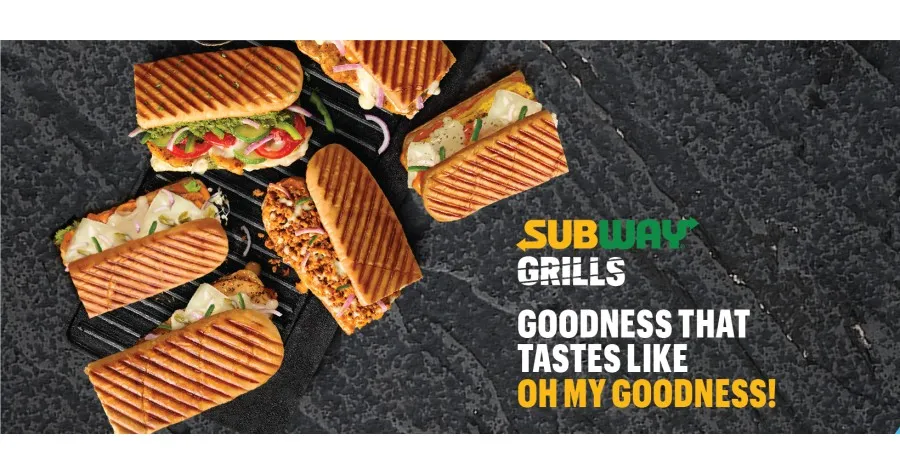
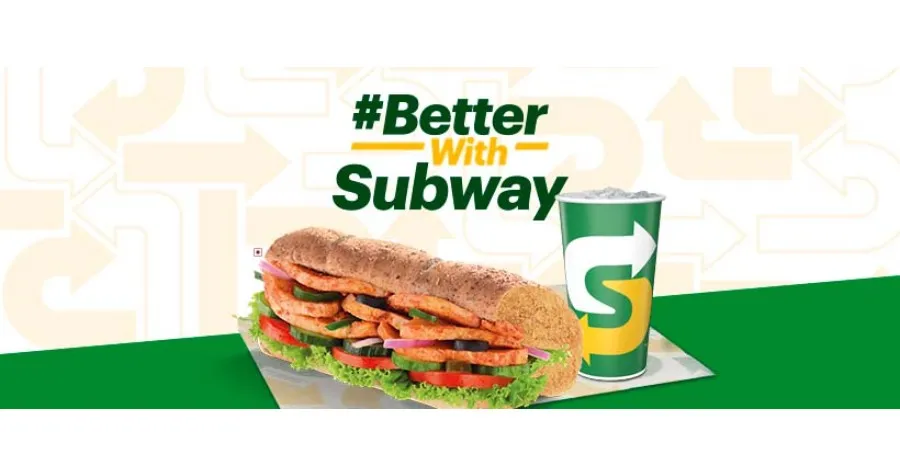
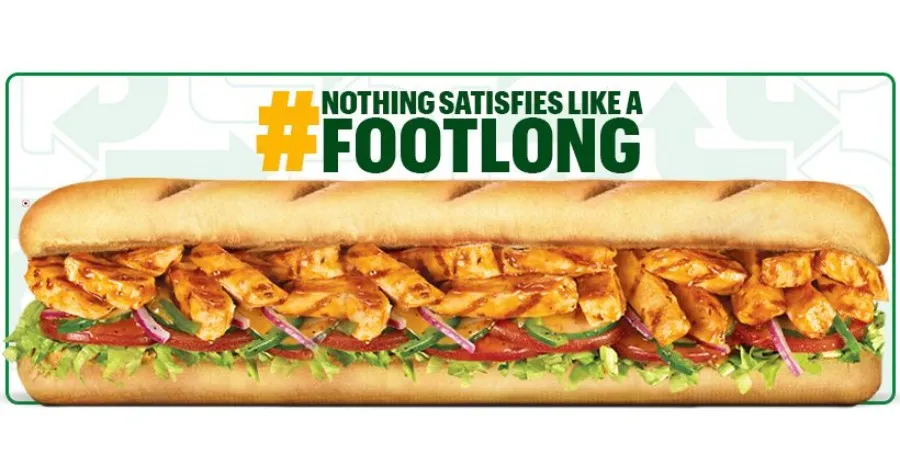
- Customizable submarine sandwiches
- Salads with assorted dressings
- Breakfast menu items
- Beverages and snacks
- Limited-time seasonal offerings
Franchise outlets maintain menu uniformity while accommodating local tastes where allowed.
4. Franchise Partnership Structure
Franchise partners operate individual Subway outlets under territorial agreements. Responsibilities include:
- Hiring and training local staff
- Managing day-to-day operations and customer service
- Maintaining brand standards for product quality and service
- Marketing at local and community levels
Franchisor provides operational guidance, marketing materials, and support systems.
5. Investment and Startup Costs
| Estimated Investment | INR 50 Lakh – 1 Cr, including setup and initial stock |
|---|---|
| Franchise Fee | INR 6,00,000 |
| Setup Cost Components | Outlet design, kitchen equipment, signage, initial inventory, and marketing |
| Royalty | Typically structured as a percentage of sales, funding ongoing support and brand use |
6. Outlet Setup Requirements
| Space Requirement | 400–600 sq. ft. for kitchen, counter, and seating |
|---|---|
| Preferred Locations | High-traffic areas, commercial centers, near schools or office complexes |
| Equipment Needs | Refrigeration, ovens, prep stations, POS systems |
| Staffing Considerations | Kitchen staff, counter staff, and management team |
7. Franchise Support Systems
- Comprehensive training in food preparation, service, and staff management
- Setup assistance including outlet layout, equipment sourcing, and operational guidance
- Marketing and advertising support at national and local levels
- Ongoing operational consultation and field support to maintain standards
8. Revenue Model and Profit Drivers
Revenue is primarily from sales of sandwiches, salads, beverages, and snacks. Demand is driven by urban convenience, health-conscious trends, and repeat customer traffic. Operational margins depend on efficient inventory management, controlled food costs, and staff productivity. Franchisees benefit from brand recognition, which supports customer acquisition and repeat visits.
9. Brand Background and Expansion
| Founded | 1965 by Fred DeLuca in the United States |
|---|---|
| Franchising Began | 1975 |
| Network Size | Over 100–200 franchise outlets in India |
| Global Presence | Thousands of locations worldwide |
| Expansion Strategy | Strategic placement in high-traffic urban and suburban areas, leveraging brand familiarity to drive consistent sales |
10. What Makes This Franchise Different
Subway’s operational distinctiveness lies in its customizable menu format, streamlined service workflow, and standardized training protocols. Unlike typical fast-food outlets, franchisees can offer personalized meal options while maintaining high turnover efficiency. The combination of global brand recognition and flexible customization supports both customer retention and rapid scalability.
11. Advantages of the Franchise
- Strong market demand for convenient, fresh, and customizable meals
- Scalable operational model with replicable processes
- High repeat customer potential due to brand familiarity
- Field and marketing support to ensure consistent quality
- Access to proven supply chain and training systems
12. Who Should Consider This Franchise
- First-time entrepreneurs seeking structured business models
- Experienced restaurant operators looking to expand portfolio
- Investors entering the quick service restaurant sector
- Operators interested in category-specific food service opportunities
14. Similar Franchise Opportunities
- McDonald’s – Quick service, global burger and sandwich chain
- Domino’s Pizza – Fast-casual pizza delivery and takeaway
- KFC – Fast-food chain with standardized menu and operational processes
- Burger King – Quick service with global brand recognition
- Wow! Momo – Quick service Indian snack chain with franchise model
These brands provide comparable investment and operational frameworks in the fast-casual and QSR sectors.
Accepting franchise applications in 33 states & UTs
What is the investment required for a Subway franchise?
Investment ranges from INR 50 Lakh to 1 Cr, covering setup costs, equipment, initial inventory, and franchise fees.
How does the Subway franchise operate?
Franchisees manage outlet operations, inventory, staff, and customer service while following brand standards and operational guidelines.
What space is required to start a Subway franchise?
A minimum of 400–600 sq. ft. is needed, sufficient for kitchen, counter service, and customer seating.
How long does it take to recover the investment?
Payback varies by sales and location performance; profitability is supported by brand recognition and operational efficiency.
How can investors apply for a Subway franchise?
Prospective franchisees submit applications to Subway corporate, complete the approval process, and receive training and support before launch. ## 14. Similar Franchise Opportunities
Disclaimer: All scores, rankings, and estimates on ForeFind are independently produced editorial assessments using publicly available data and validated brand-submitted information. They are not verified facts, financial advice, or investment recommendations. Full Disclaimer.
