



Shree Khodiyaar Kathiyawadi Dhaba Franchise
1. Brand & Franchise Snapshot
| Brand Name | Shree Khodiyaar Kathiyawadi Dhaba |
|---|---|
| Industry | Food & Beverage |
| Business Category | Quick Service Restaurant (QSR) / Regional Cuisine Dining |
| Founded Year | 2013 |
| Franchise Started | 2015 |
| Total Franchise Outlets | 100–200 |
| Estimated Investment | INR 1–2 Crore |
| Franchise Fee | INR 25,00,000 |
| Royalty Fee | 6% of revenue |
| Space Requirement | 3,500–5,000 sq. ft. |
| Staff Requirement | Full restaurant team including kitchen staff, service crew, and management |
| Expected Payback Period | 1–2 Years |
Understanding the Brand
Shree Khodiyaar Kathiyawadi Dhaba is a restaurant business specializing in traditional Kathiyawadi cuisine from Gujarat. It operates within the quick service and casual dining franchise category, offering region-specific meals with a focus on authentic preparation.
The brand serves families, travelers, and local customers seeking traditional vegetarian meals in a structured restaurant environment.
2. Operating Concept
The business operates as a dine-in focused dhaba-style restaurant with additional takeaway and delivery options.
Customers typically visit the outlet, select dishes from a menu centered on regional cuisine, and are served at their tables. Orders are prepared fresh in the kitchen using standardized recipes.
Daily operations include:
- Kitchen-based preparation of traditional dishes
- Table service and customer handling
- Order management for dine-in, takeaway, and delivery
- Catering and bulk order coordination
Revenue is generated through food sales, group dining, and catering services.
3. Products or Service Categories
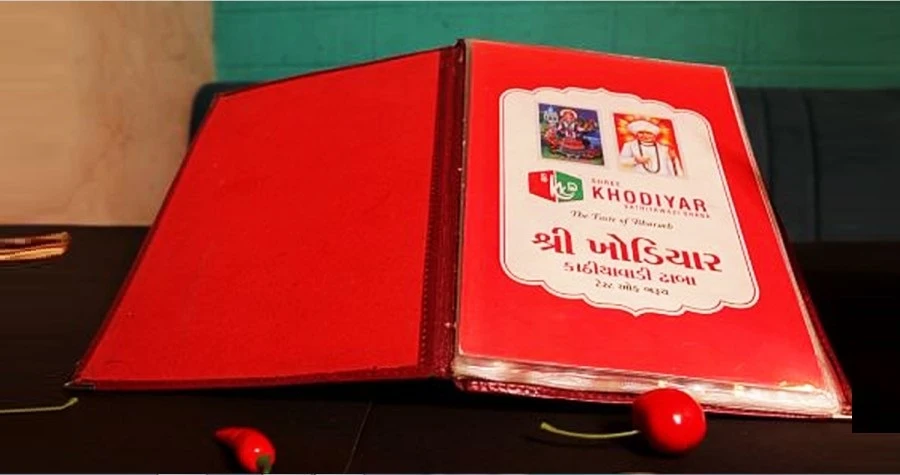
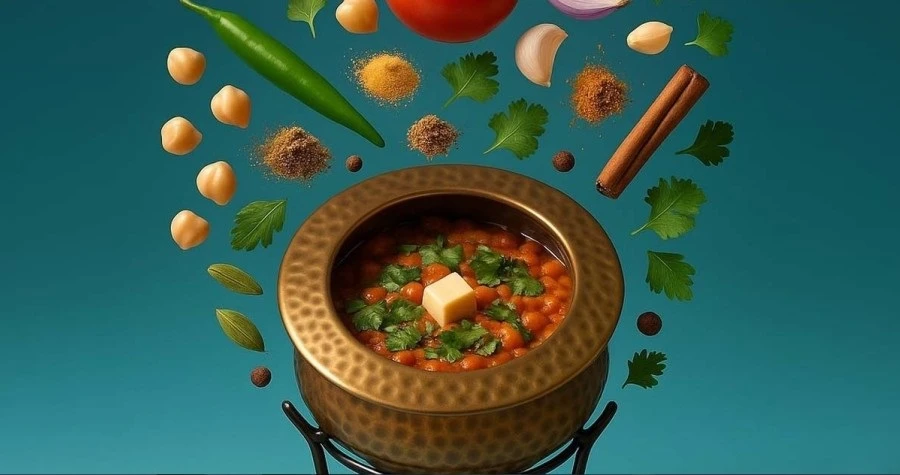
Franchise outlets offer a structured menu based on regional cuisine:
Kathiyawadi Main Course
- Ringan no Olo
- Sev Tameta
- Lasaniya Bataka
- Traditional Breads:
- Bajra Rotla
- Meal Combinations:
- Khichdi Kadhi
- Beverages:
- Buttermilk (Chaas)
- Special Dietary Options:
- Jain food
- Vegan and gluten-free selections
The menu focuses on traditional flavors with consistent preparation.
4. Franchise Partnership Structure
The franchise model is designed for full-service restaurant operations.
Key aspects include:
- Franchise partners operate large-format outlets under the brand
- The franchisor provides menu standards, recipes, and brand identity
- Franchisees manage staff, kitchen operations, and customer service
- Central systems ensure consistency in taste and service
The model requires active involvement in day-to-day restaurant management.
5. Investment and Startup Costs
The investment reflects a mid-to-large scale restaurant setup.
| Estimated Investment | INR 1–2 crore |
|---|---|
| Franchise Fee | One-time payment for brand rights and onboarding |
| Setup Costs | Interior design, kitchen equipment, and furniture |
| Pre-Opening Expenses | Licensing, hiring, and initial inventory |
| Royalty Fee | 6% of revenue paid to the franchisor |
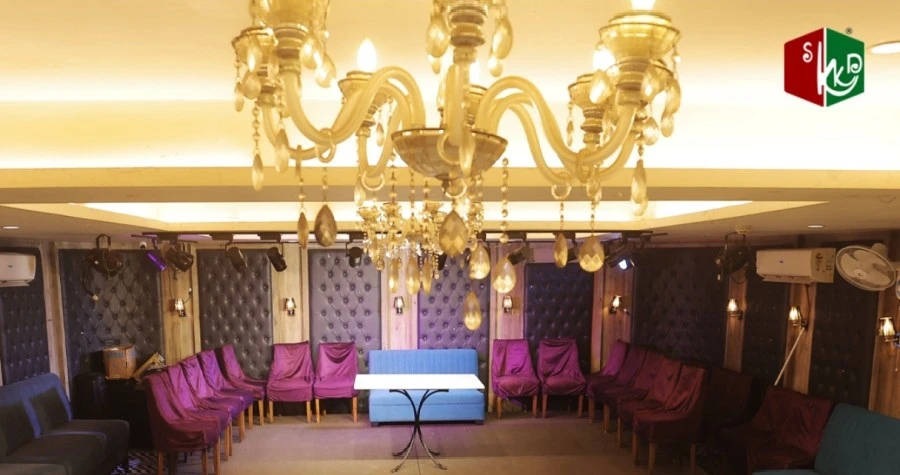
The cost structure aligns with large dining formats and themed restaurant environments.
6. Outlet Setup Requirements
The business requires a spacious restaurant setup.
Key requirements include
| Area | 3,500–5,000 sq. ft. |
|---|---|
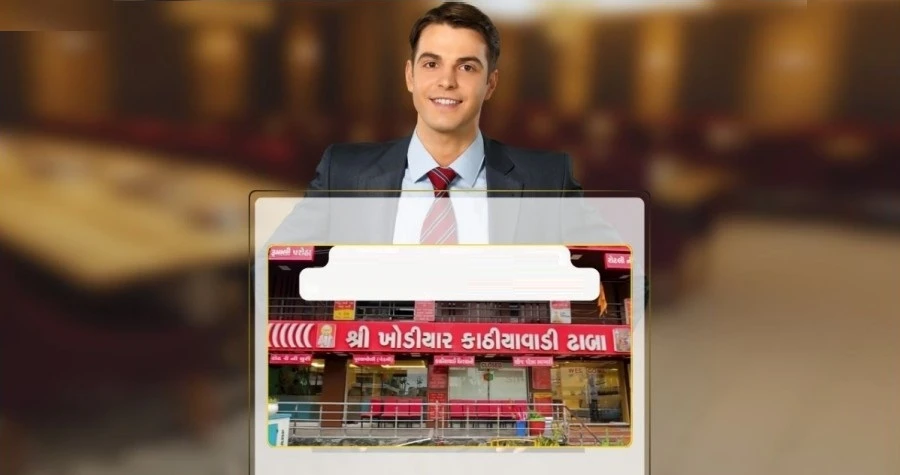
| Location Preference | High-visibility areas, highways, or city outskirts with parking availability |
| Infrastructure | — |
- Full-service kitchen
- Dining area with seating capacity
- Storage and preparation zones
- Parking and accessibility features
- Staffing:
- Kitchen team
- Service staff
- Supervisory and management personnel
The setup supports both high seating capacity and operational efficiency.
7. Franchise Support Systems
Franchise partners receive structured operational support.
Support typically includes:
| Training Programs | Kitchen operations and service management |
|---|---|
| Setup Assistance | Layout planning and launch support |
| Menu Standardization | Recipes and preparation guidelines |
| Marketing Support | Brand promotion and local campaigns |
| Operational Guidance | Ongoing support for quality and service |
These systems help maintain consistency across multiple outlets.
8. Revenue Model and Profit Drivers
Revenue is driven by dine-in meals, group dining, and catering services.
Key drivers include
| Regional Cuisine Demand | Strong interest in traditional food |
|---|---|
| Family Dining | Higher order value from group customers |
| Repeat Visits | Consistent taste encourages return customers |
| Event Catering | Additional revenue from bulk orders |
Cost factors include food ingredients, staff wages, rent, and utilities.
The expected payback period of 1–2 years indicates moderate recovery timelines under stable operations.
9. Brand Background and Expansion
The brand was established in 2013 and began franchising in 2015.
With a network of over 100 outlets, expansion has focused on scaling regional cuisine dining across multiple locations. Growth is driven by demand for traditional food experiences and standardized restaurant formats.
10. What Makes This Franchise Different
Unlike general multi-cuisine restaurants, this concept focuses specifically on Kathiyawadi cuisine with a traditional dhaba-style dining format.
The operational distinction lies in:
- Specialized regional menu
- Large-format dine-in experience
- Integration of cultural ambiance with food service
This creates a niche positioning within the broader restaurant segment.
Advantages of the Franchise
- Growing demand for regional cuisine
- Established multi-outlet network
- High average order value from dine-in customers
- Multiple revenue streams including catering
- Structured operational and training systems
- Scalable across cities and highway locations
11. Who Should Consider This Franchise
This opportunity may suit:
- Experienced restaurant operators
- Investors targeting large-format dining businesses
- Entrepreneurs interested in regional cuisine concepts
- Operators capable of managing staff-intensive operations
It is particularly suitable for those with experience in hospitality management.
13. Similar Franchise Opportunities
Investors evaluating this category may also consider:
- Gordhan Thal
- Rajdhani Thali
- Sankalp Restaurant
- Sagar Ratna
- Bikanervala
Accepting franchise applications in 36 states & UTs
What investment is required for Shree Khodiyaar Kathiyawadi Dhaba franchise?
The investment typically ranges from INR 1 crore to INR 2 crore. This includes restaurant setup, kitchen equipment, interiors, and initial operational costs. The final amount depends on location, size, and infrastructure requirements.
How does the Shree Khodiyaar Kathiyawadi Dhaba franchise operate?
The business operates as a dine-in restaurant serving traditional Kathiyawadi food. Customers order meals that are prepared in-house and served at tables. Revenue is generated through food sales, takeaway orders, and catering services.
What space is required to start the franchise?
A space of approximately 3,500 to 5,000 square feet is required. This accommodates kitchen operations, dining areas, and customer facilities, making it suitable for large-format restaurant setups.
How long does it take to recover the investment?
The expected payback period is around 1 to 2 years. Recovery depends on location performance, customer footfall, operational efficiency, and cost management.
How can investors apply for the franchise?
Investors can apply by contacting the brand’s franchise team, submitting an application, and undergoing evaluation. The process typically includes assessing investment capacity, location feasibility, and operational readiness before approval. ## 13. Similar Franchise Opportunities
Disclaimer: All scores, rankings, and estimates on ForeFind are independently produced editorial assessments using publicly available data and validated brand-submitted information. They are not verified facts, financial advice, or investment recommendations. Full Disclaimer.
