


Serviceforce Franchise: Workshop Operations, Daily Management and What Owning This Business Requires
What Serviceforce Does and Which Vehicles It Serves
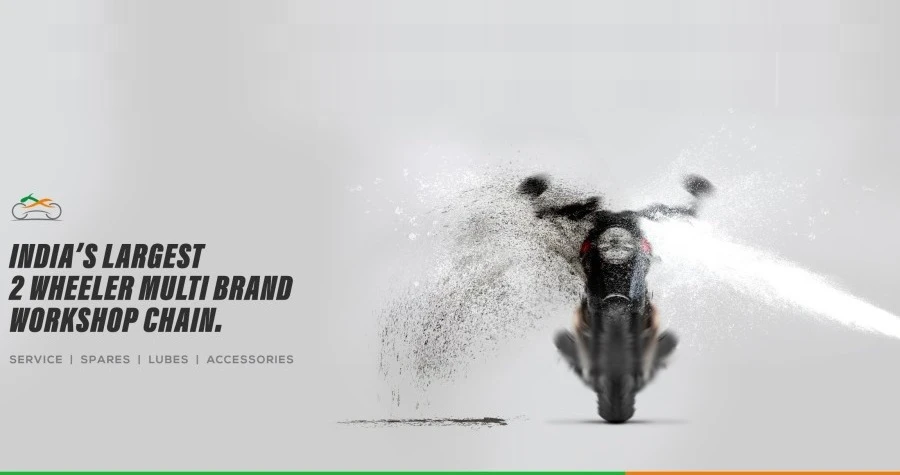
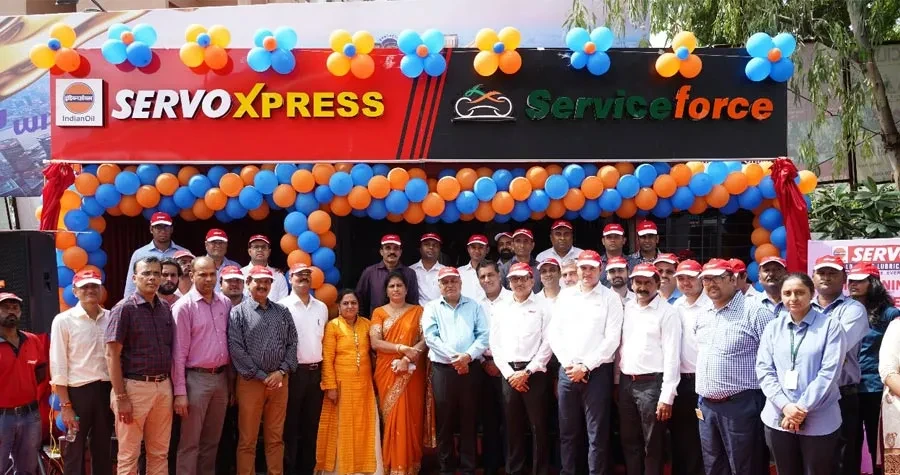
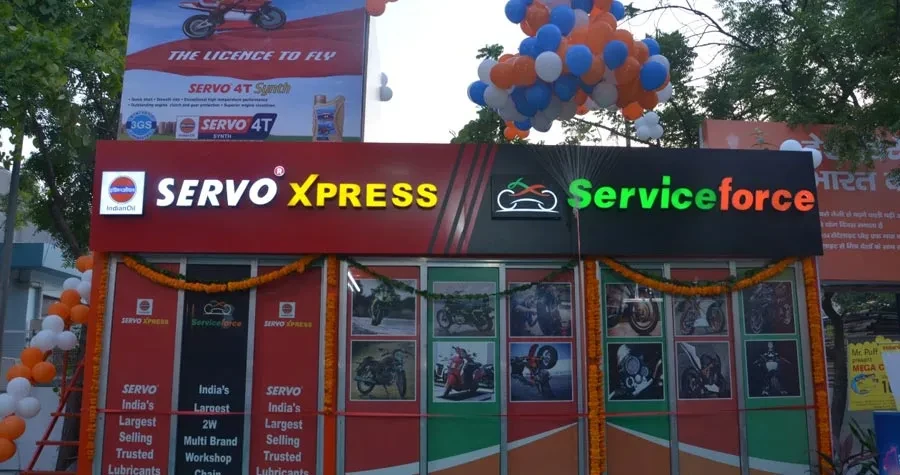
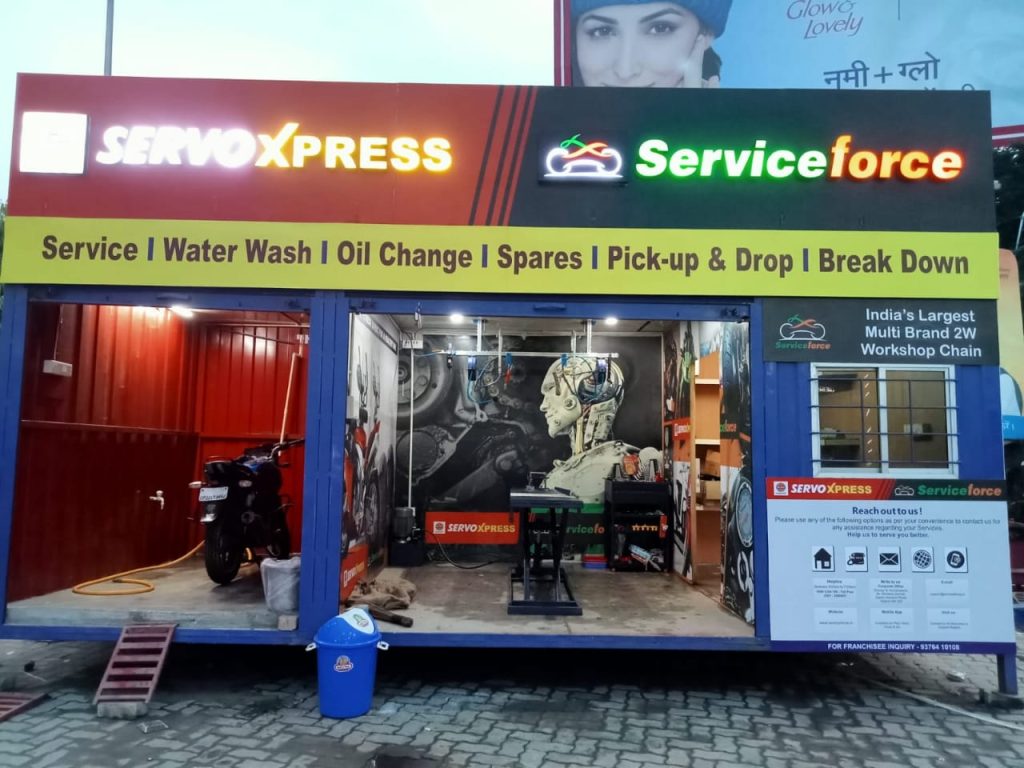
Serviceforce franchise operates as a multi-brand two-wheeler service centre, handling routine maintenance, mechanical repairs, and hi-tech servicing for motorcycles and scooters across all manufacturer brands. The service format is strategically co-located at Indian Oil Corporation Ltd petrol stations — a placement that provides both the physical infrastructure and the daily vehicle owner footfall that standalone workshop locations must build from scratch. A customer filling their tank at an IOCL petrol station sees a Serviceforce centre, connects the need for a service visit to the convenience of the location, and books on the spot or returns within the same week.
A typical customer engagement begins at vehicle intake: the franchisee or service advisor records the vehicle details, listens to the owner’s description of the problem or service requirement, and creates a job card. For routine services — oil changes, chain adjustments, brake checks — the vehicle turns around in 30 to 60 minutes. For mechanical repairs, the turnaround extends based on parts availability and job complexity. The customer is informed of the expected completion time, and the vehicle is returned after a quality check with a clear service summary and next service recommendation.
Workshop Operations: A Typical Service Day
The location at a petrol station shapes the daily rhythm in a distinctive way. Morning footfall begins as commuters fill their vehicles before work — many of whom notice the service centre and stop for a quick check or schedule a same-day appointment. This creates an early-morning walk-in wave that a standalone workshop would not naturally capture. The franchisee’s opening routine involves preparing service bays, checking parts inventory against the day’s anticipated demand, and confirming any pre-booked appointments from the previous day’s calls or digital bookings.
Vehicle intake runs continuously throughout the day as petrol station customers convert to service customers. Job card creation is the operational anchor: each vehicle gets a documented record of the service performed, parts used, and technician assigned, which forms the basis of both billing and service history. Bay allocation depends on the mix of quick-turnaround routine jobs and longer mechanical repairs — managing this balance to avoid congestion while maintaining throughput is the daily management challenge the franchisee owns. Before any vehicle leaves, a brief quality check — verifying that the job card matches the work done and that the vehicle is functioning as expected — protects the outlet’s service reputation with every customer interaction.
Technician Recruitment, Training, and Productivity
A Serviceforce outlet serving consistent daily volume requires technicians who are confident across multiple two-wheeler brands and can handle both routine servicing and mechanical diagnosis without brand-specific training for every model that comes in. In Tier 2 cities, ITI-qualified candidates with a two-wheeler or general automotive specialization form the most reliable recruitment pool. Candidates with prior experience at local two-wheeler dealers or independent workshops bring foundational knowledge; Serviceforce’s training program then standardizes their technique and familiarizes them with the outlet’s service protocols and job card system.
The training program’s design reflects the network’s experience with a franchisee base where 80 percent come from outside the automotive trade — meaning the system is built to develop technical capability from diverse starting points rather than assuming incoming expertise. For a franchisee in a Tier 2 city, this means that hiring a technically curious ITI graduate and investing in the Serviceforce training process is a more reliable path to building a capable team than searching for a pre-qualified multi-brand technician who may be scarce in smaller markets. Technician productivity — jobs completed per shift — is the daily variable the franchisee monitors most closely, since it directly determines whether the day’s revenue covers costs or contributes to profit.
Parts Procurement, Inventory Management, and Margin
Two-wheeler parts procurement is where workshop margin is made or lost, and the Serviceforce model’s authorized supply chain is one of its commercial advantages over independent operators. Independent workshops sourcing from open trade markets face counterfeit parts risk — a problem particularly acute in two-wheeler components like brake pads, filters, and electrical parts — and inconsistent pricing that makes margin planning difficult. Serviceforce franchisees procure through an authorized channel that maintains quality standards and provides pricing predictability.
Inventory management for a two-wheeler service outlet involves stocking the high-turnover consumables — engine oil, spark plugs, brake pads, air filters — across the most common bike models in the local market, while managing longer-tail parts as on-demand procurement. The franchisee who tracks which parts move weekly and calibrates stock depth to match local demand avoids both the lost-sale problem of running out of common parts and the working capital trap of holding slow-moving inventory. The margin on parts sales, added to the labour charge per job, constitutes the revenue structure — and franchisees who manage their parts stock actively earn consistently higher effective margins than those who reorder by intuition.
Customer Acquisition and Building a Repeat Client Base
The petrol station location is a customer acquisition asset that most workshop franchises do not have. Thousands of vehicles pass through and stop at an active IOCL station daily, and the Serviceforce centre’s visibility at this point converts passive awareness into active service demand without requiring proportional marketing spend. But converting a first-time walk-in into a repeat customer requires deliberate effort beyond the location advantage. The franchisee who records every customer’s contact details, vehicle service history, and next service interval has the foundation of a proactive outreach system — reminding customers when their next oil change is due, following up after a repair, or alerting them to a seasonal service offer.
For two-wheelers used commercially — delivery bikes, courier fleet, food delivery riders — the Serviceforce outlet is an operational necessity rather than a discretionary purchase. Franchisees who identify local delivery operators, logistics companies, and food aggregator delivery partners in their territory and offer priority service slots or fleet pricing can add a volume-stable institutional layer to the retail walk-in base. This fleet component is what typically differentiates a Serviceforce outlet at the higher end of the monthly revenue range from one operating solely on petrol station footfall conversion.
Equipment, Technology, and Diagnostic Systems
Serviceforce provides the workshop equipment required to operate a hi-tech two-wheeler service centre as part of the franchise setup — the specific equipment list is confirmed during onboarding and is calibrated to the service scope the outlet delivers. For a two-wheeler specialist format, the equipment suite typically includes engine diagnostic tools, computerized service bays, and the specific instruments needed for multi-brand servicing across the range of motorcycles and scooters in the Indian market.
Job management technology — tracking vehicles from intake through service completion and billing — is integrated into the franchise’s operational system rather than left to the franchisee to build independently. A franchisee who uses the job management system consistently generates service records that support AMC selling, maintenance reminder outreach, and accurate parts restocking decisions. The technology is most valuable when it is used daily rather than intermittently; franchisees who treat job documentation as a compliance step rather than a business intelligence asset miss the operational value the system provides.
Who Runs a Serviceforce Workshop Successfully
The Serviceforce franchise has a documented track record of successful franchisees from outside the automotive trade — which speaks to the system’s ability to develop capability in operators who bring commercial discipline rather than mechanical expertise. The franchisee who consistently builds a productive Serviceforce outlet is one who is present at the workshop, understands the daily throughput targets, manages technician productivity actively, and develops the delivery fleet relationships that add institutional volume to the petrol station walk-in base. Franchisees who treat the workshop as a passive investment — delegating entirely to a hired manager without building the customer and fleet relationships personally in the early months — consistently fail to reach the daily vehicle counts the revenue model requires to sustain profitability.
Accepting franchise applications in 35 states & UTs
What workshop space and infrastructure does a Serviceforce franchise require?
A Serviceforce franchise operates from 400 to 600 square feet of service space, typically co-located at an IOCL petrol station rather than requiring the franchisee to independently source a high-street commercial premises. The petrol station partnership provides both the physical location and the daily vehicle owner footfall that the outlet depends on for customer acquisition. Site selection support is part of the franchise onboarding process, ensuring that franchisees are placed at locations with sufficient traffic volume to support the outlet's revenue targets.
What equipment does Serviceforce supply as part of the franchise package?
The franchise investment covers the workshop equipment required to deliver the full Serviceforce service range for multi-brand two-wheelers, including diagnostic tools and service bay equipment. Supply through the franchise setup ensures consistent capability across the network and removes the risk of franchisees under-specifying equipment for the load the outlet handles. The complete equipment list is detailed during the franchise application and onboarding process.
How does Serviceforce train franchisee technicians?
Training is designed to build multi-brand two-wheeler service capability from a range of starting points, including candidates without prior automotive workshop experience. The program covers service procedures across the common two-wheeler models in the Indian market, parts identification and quality standards, diagnostic tool operation, job card documentation, and customer communication standards. This training infrastructure is one of the reasons 80 percent of Serviceforce franchisees come from outside the automotive trade and still build functional, profitable outlets.
Can a Serviceforce workshop be managed by a hired workshop manager?
A trained workshop manager can manage day-to-day technical operations once the outlet has established consistent daily throughput and the manager has been fully trained in both service standards and the job management system. In the first six months, the franchisee's direct presence — particularly in building the delivery fleet relationships and local community connections that generate volume above petrol station walk-in demand — is what builds the commercial foundation the managed outlet inherits. Franchisees who delegate before this foundation is established typically find that daily vehicle counts plateau rather than grow.
How does Serviceforce support franchisees in building corporate and fleet client relationships?
The IOCL partnership provides a natural entry point for conversations with commercial vehicle operators who use the petrol station regularly. Serviceforce provides the brand framework, service documentation, and operational standards that give franchisees a credible proposition in fleet sales conversations. The active development of delivery operator accounts, logistics fleet relationships, and two-wheeler fleet corporate tie-ups is the franchisee's commercial responsibility — the system provides the platform and the credibility, while the relationship-building activity is the franchisee's primary growth lever in the business's first year.
Disclaimer: All scores, rankings, and estimates on ForeFind are independently produced editorial assessments using publicly available data and validated brand-submitted information. They are not verified facts, financial advice, or investment recommendations. Full Disclaimer.
