



Satyam Institute for Management Technology and Science Franchise: Running an Education Centre and What Daily Operations Look Like
Running a Satyam Institute for Management Technology and Science franchise means operating a distance learning centre that spans three distinct course tracks — management, information technology, and technical engineering programmes — for adult learners who need internationally recognised credentials without attending full-time campus programmes. For an investor imagining the day-to-day reality of this business, the picture is less about classroom teaching and more about centre coordination, student relationship management, and the steady work of building local credibility for a brand that most prospective students will encounter for the first time through the franchisee’s own outreach.
What Satyam Institute for Management Technology and Science Teaches and Who Attends
The course portfolio covers a notably wide range for a distance learning institution. On the management side, students can pursue qualifications from BBA and MBA level through to executive and postgraduate diplomas, each with subject specialisations. The IT track includes diploma and degree programmes in computer applications at undergraduate and postgraduate levels. The technical stream offers diploma and degree options in engineering disciplines. The learner who attends a Satyam centre is typically a working adult or recent school-leaver who wants a formal qualification but cannot commit to full-time campus attendance — employed professionals building credentials for career advancement, self-employed individuals formalising their knowledge, or students in smaller cities where campus access to these programmes is limited. A student’s journey begins with enrolment and programme selection at the franchisee’s centre, continues through self-study with institution-supplied materials and any local academic support the centre provides, and concludes with examinations and certification through the institution’s assessment framework. The international validity of the certifications is a relevant credential for students with aspirations beyond the domestic job market.
Running a Satyam Institute for Management Technology and Science Centre Day to Day
Across a typical operating week, the franchisee’s time divides into three zones that rarely feel equally distributed. Student-facing time — handling walk-in enquiries, processing enrolments, fielding questions from currently enrolled students about materials or examination schedules — is the most visible and relationship-intensive part of the role. Administrative time covers fee collection and reconciliation, maintaining student records in a format that meets UGC Distance Education Bureau requirements, and coordinating with the institution on examination logistics. The third zone, business development — reaching out to potential students through community channels, following up on enquiries that did not convert, and building relationships with local employers or educational institutions — is the one that determines whether the centre grows or plateaus. Franchisees who treat business development as something to do once the other work is done tend to find their enrolment numbers stagnate faster than those who protect time for it even during busy administrative periods.
Student Acquisition: How Students Find and Choose Satyam Institute for Management Technology and Science
Filling seats is the hardest sustained challenge in this model, and it does not become easy simply because a centre has been open for a year. Satyam Institute provides franchisees with marketing support and the institutional brand name, which gives local outreach a credibility foundation — a prospective student is more likely to engage with an institution they can look up than with an unfamiliar local training provider. What the franchisee generates independently is the local pipeline: visiting local colleges and companies, placing materials in professional and community spaces, and converting the enquiries that come from those efforts into actual enrolments. A realistic first-month target for a franchisee new to the market is a small cohort — perhaps five to ten students drawn primarily from their existing network. By month six, a centre with consistent outreach should be seeing a broader enquiry base and an enrolment figure that reflects genuine local market penetration rather than just personal relationships. The admission cycle is seasonal, which means outreach intensity needs to track the windows when working professionals and students are most actively seeking qualification programmes.
Teacher Hiring, Training, and the Retention Challenge
Because Satyam Institute operates as a distance learning model, the franchise centre is not primarily a teaching environment — course content is managed through the institution’s own framework and study materials rather than by faculty hired at the franchisee level. The core staffing need is a centre coordinator: someone who can handle student communication, manage administrative processes, and represent the centre credibly when meeting prospective students. In a Tier 2 city, this hire is typically found through local networks — former teachers, recent graduates with good communication skills, or part-time professionals who want flexible engagement. The challenge is not recruitment so much as retention: a competent coordinator who becomes the face of the centre to enrolled students represents a dependency risk if they leave, which is why franchisees who build their own strong community presence — rather than delegating it entirely to a coordinator — are better positioned for operational continuity. For any local academic support the centre chooses to offer enrolled students, subject-relevant part-time tutors can be engaged from local college networks without the overhead of full-time faculty.
Infrastructure, Technology, and Centre Setup
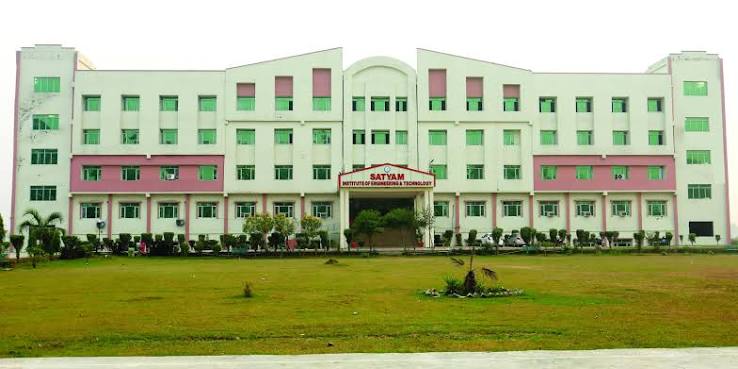
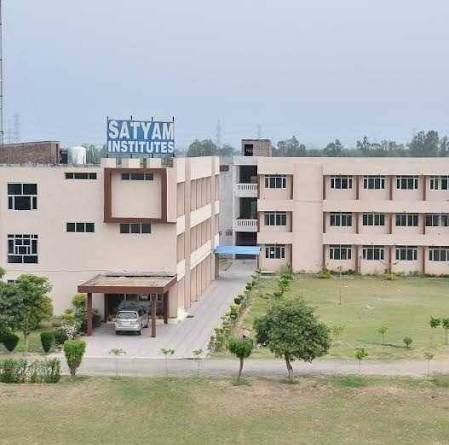
The physical requirement for a Satyam Institute centre is flexible by design: the operating space range runs from 100 to 1,000 square feet, reflecting the reality that a home-based study and counselling room serves a different scale of operation than a dedicated commercial centre with multiple concurrent student cohorts. At the smaller end, the setup is a furnished consultation and study space with reliable connectivity and a computer for administrative and student access functions. At the larger end, a franchisee setting up a commercial centre invests in signage, classroom seating, and the technology infrastructure to support group sessions. The franchisor’s responsibility during setup is primarily the provision of the institutional framework — curriculum materials, examination processes, UGC DEB alignment guidance — rather than physical fit-out, which the franchisee manages and funds. This division is worth understanding clearly before launch: the centre’s physical presentation is entirely the franchisee’s creation, and the investment in that presentation directly affects how the centre is perceived by prospective students in the local market.
Ongoing Support After the Centre Opens
After the initial setup and onboarding period, Satyam Institute’s ongoing support centres on the institutional infrastructure that makes the franchise valuable: curriculum access, examination administration, and certification processing. The brand’s marketing assistance continues to provide a national-level institutional presence that local outreach can reference. How responsive the franchisor is when an operational problem arises — a student dispute, a regulatory query, an examination logistics issue — depends significantly on the communication channels established during onboarding. Franchisees should identify their primary franchisor contact during the setup period and test the escalation process for minor issues before they need it for a significant one. Academic audits or field visits from the franchisor provide useful quality checkpoints; franchisees should confirm during due diligence how frequently these occur and whether they are scheduled or ad hoc.
Who Runs a Satyam Institute for Management Technology and Science Centre Successfully
The franchisee who builds a consistently active centre within twelve to eighteen months typically combines two characteristics: genuine embeddedness in the local professional or educational community, and the patience to convert that embeddedness into enrolments through repeated, relationship-driven outreach rather than expecting brand recognition alone to fill seats. Retired educators, former HR professionals, and small business owners with wide local networks tend to find this model accessible because the trust asset they bring converts to student enquiries more reliably than marketing spend. Salaried professionals running the centre part-time as a side income can manage the model successfully if they are disciplined about protecting time for student outreach alongside administrative duties. The investor who consistently underestimates the effort required is one who expects the institutional brand name to carry the student acquisition work — in a Satyam Institute for Management Technology and Science franchise, community credibility is the franchisee’s own contribution, and no amount of franchisor support replaces the local relationships that fill seats.
Accepting franchise applications in 31 states & UTs

How much space is required to open a Satyam Institute for Management Technology and Science centre?
The space requirement ranges from 100 to 1,000 square feet, which accommodates both home-based and commercial centre setups. A home-based operator might use a single dedicated room for student consultations and administrative work, while a franchisee targeting a larger local student base would fit out a commercial space with a reception area, study space, and coordinator workstation. The appropriate scale depends on the local market size and the franchisee's intended enrolment capacity.
How long does it take to set up and open a Satyam Institute for Management Technology and Science franchise?
Setup complexity for this model is low relative to campus-based education franchises. A franchisee who secures a space and completes the initial onboarding process can typically open within four to six weeks. The more time-consuming parallel process is registering and ensuring compliance with UGC Distance Education Bureau requirements, which the franchisor guides franchisees through but which has its own regulatory timeline independent of the physical centre setup.
What curriculum and teaching materials does Satyam Institute for Management Technology and Science provide?
The institution provides study materials and the examination framework for all programmes across the management, IT, and technical course tracks. Franchisees do not develop curriculum independently. Materials are supplied to enrolled students through the institution's processes, and the franchisee's role is to ensure students receive and understand how to use these resources rather than to teach from them directly.
Can a Satyam Institute for Management Technology and Science centre be run without the owner being present daily?
The semi-absentee operation mode is structurally supported by this model — a competent centre coordinator can manage daily student communication, enrolment administration, and basic support functions without the franchisee on site every day. Franchisees operating this way typically maintain direct involvement in student acquisition, financial oversight, and any significant enrolment decisions, while delegating operational day-to-day management to a trusted hire.
How many Satyam Institute for Management Technology and Science centres are operating in India currently?
The network currently operates between ten and twenty active franchise units across India. For a prospective franchisee, this means the Satyam Institute for Management Technology and Science franchise is still in an early growth phase, with most geographic markets remaining open. Investors who enter now have the opportunity to establish a local presence before the network expands into their city, and can expect more direct engagement with the franchisor than would be typical in a larger, more established network.
Disclaimer: All scores, rankings, and estimates on ForeFind are independently produced editorial assessments using publicly available data and validated brand-submitted information. They are not verified facts, financial advice, or investment recommendations. Full Disclaimer.
