



Road Master Autotech Pvt Ltd Franchise: Workshop Investment, Revenue Per Vehicle and Return Timeline
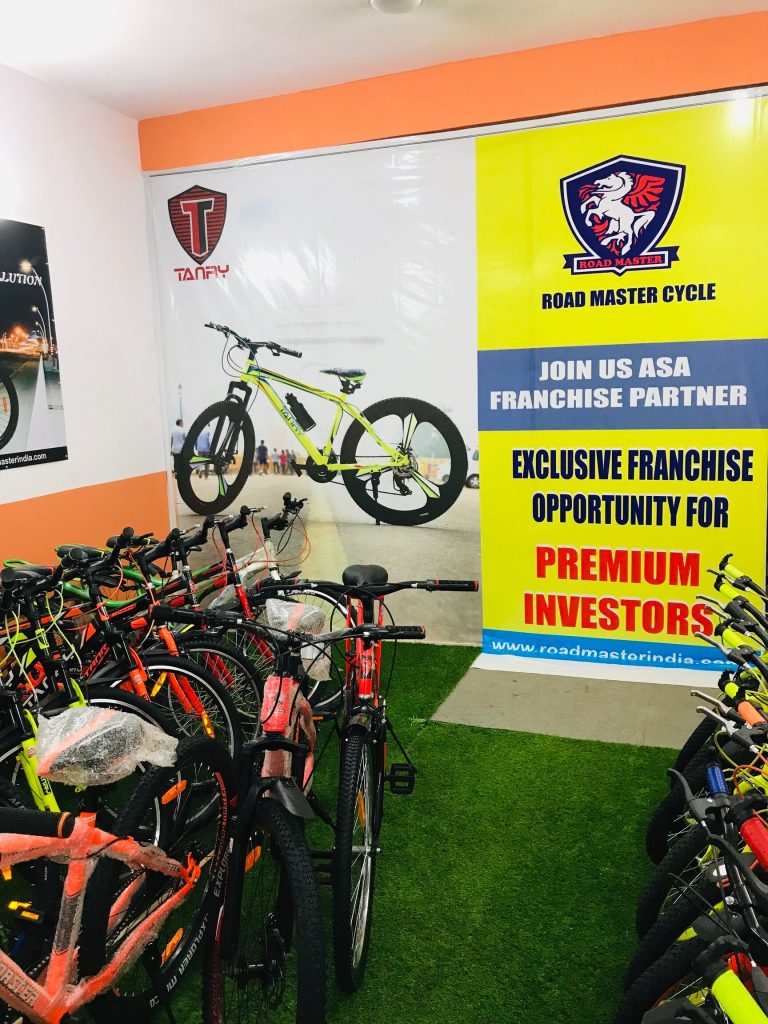
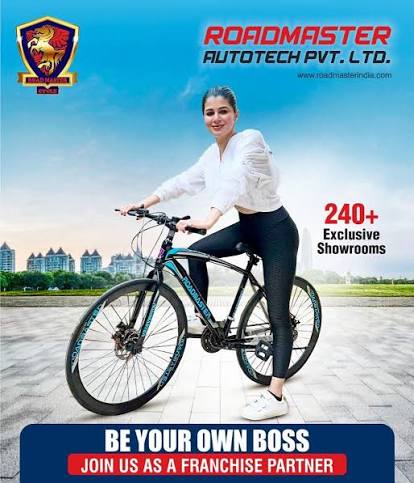
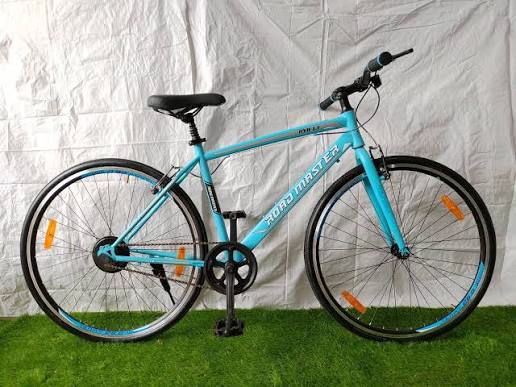
Operating since 2007 and franchising for eighteen years, the Road Master Autotech Pvt Ltd franchise is built around bicycle retail and service — a category that has seen structural demand growth in India as urban commuting costs rise, fitness awareness increases, and the mid-market cycling segment expands beyond its traditional recreational base. With a network of a hundred to two hundred locations and a portfolio of over two hundred bicycle models across every major segment — kids, women’s, men’s, sports, mountain, fat, and carbon bikes — Road Master offers franchisees a manufacturer-direct relationship that most independent bicycle retailers cannot access at comparable pricing or product breadth.
About Road Master Autotech Pvt Ltd
Road Master Autotech manufactures and distributes bicycles under the Road Master Cycle brand, with in-house frame and fork manufacturing, an in-house paint plant, and reported delivery of over two hundred thousand cycles across India in under a decade of commercial operation. The franchise model converts this manufacturing capability into a retail and service channel: franchisees operate branded showrooms that sell new bicycles while also providing servicing for existing owners. India’s bicycle market is structurally interesting for an investor — it is one of the largest in the world by volume, it has a growing premium segment as urban incomes rise, and it has an underdeveloped organised service infrastructure relative to the number of bicycles in use. That last point is commercially significant: the service bay component of a Road Master showroom captures recurring revenue from existing bicycle owners, not just one-time purchase transactions from new buyers.
Revenue Per Vehicle and Daily Throughput Economics
The financial mechanics of a bicycle showroom and service franchise differ materially from a motor vehicle workshop. Revenue flows from two sources: bicycle sales and repair or maintenance services. A new bicycle sale generates the highest single-transaction revenue — depending on model category, a mid-range sports or MTB bicycle might yield INR 8,000 to 25,000 per unit with retail margins varying by segment. Service jobs are lower per transaction but higher in frequency: a basic tune-up or puncture repair generates INR 200 to 800; a full overhaul, component replacement, or gear service job ranges from INR 800 to 3,000 depending on the bicycle type and work required.
Daily throughput in a 500 to 1,000 square foot showroom with two to six staff combines a variable number of sales transactions with a predictable flow of service visits — particularly in locations near residential areas or schools where cycling is habitual. A centre handling five to eight service jobs daily alongside one to two bicycle sales represents a realistic operating picture for a mid-maturity location. The indicative monthly revenue range of INR 0.9 Lac to 5.4 Lac reflects the wide variation between a recently opened centre in a lower-density catchment and a mature outlet with strong local recognition and a steady service clientele.
Investment Breakdown: Equipment, Setup, and Working Capital
The investment range of INR 20 Lac to 30 Lac for a Road Master franchise covers showroom fit-out and display infrastructure, service bay tools and equipment, opening bicycle inventory across model categories, the brand licence, and initial training. Bicycle retail has a higher working capital requirement than many service-only franchises because inventory — the bicycles themselves — must be present and visible on the floor to generate sales. The range and depth of that inventory, particularly across premium and sports categories where margin is stronger, is one of the more consequential setup decisions a franchisee makes.
Monthly operating costs are structured around staff salaries for two to six employees — which would typically include one or two qualified bicycle mechanics, a sales staff member, and a receptionist in a larger outlet — along with lease obligations, product replenishment as inventory sells, and brand support fees. The setup complexity is classified as simple relative to motor vehicle workshops, which reflects the absence of heavy diagnostic equipment, compressed air systems, or vehicle lifts. A bicycle service bay requires hand tools, a work stand, and basic component stock — a capital requirement that keeps the equipment side of the investment proportionally lower than automotive alternatives at this investment tier.
The AMC and Repeat Business Model
Annual Maintenance Contracts are a growing feature of the organised bicycle service category, particularly among cycling enthusiasts and commuters who use their bicycles daily and want predictable maintenance costs. A basic AMC for a bicycle — covering scheduled servicing, lubrication, brake and gear adjustment — typically runs INR 1,500 to 3,500 per year depending on the service scope and bicycle category. A franchise with fifty active AMC clients generates a recurring monthly revenue contribution that is independent of walk-in variability, which materially improves financial predictability in slower months. Road Master franchisees are positioned to offer AMCs as a value-add to the customer base they build through showroom sales — a client who buys a bicycle from the showroom is a natural AMC prospect, creating an acquisition pathway that costs nothing beyond the initial service offer.
Break-Even and What Drives the Timeline
The nine to eighteen month break-even window is primarily determined by three variables. First, location — a showroom on a residential high street near schools, parks, or a cycling community generates natural footfall that an isolated location does not. Second, inventory depth — a showroom that can show and sell across a wide range of models and price points captures a broader purchase decision set; one with shallow inventory loses sales to better-stocked competitors. Third, service reputation — a bicycle mechanic whose work generates word-of-mouth referrals builds the repeat service clientele that stabilises monthly revenue faster than any promotional spend. Franchisees who reach break-even at the shorter end of the range almost always combine a well-chosen location with a genuinely skilled mechanic in their team from the opening month.
Regulatory Compliance and Authorization Requirements
A Road Master Autotech franchise requires a trade licence from the local municipal authority as the primary compliance obligation. GST registration is mandatory once annual turnover crosses the applicable threshold — for a centre performing toward the middle or upper end of the revenue range, this threshold is reached within the first year. Unlike motor vehicle workshops, bicycle retail and service does not require pollution check certification, manufacturer workshop authorisation under OEM frameworks, or the environmental compliance obligations associated with fuel, oil, and chemical waste handling. The franchisor provides branch design and development support, operating manuals, and marketing assistance. Compliance with local commercial establishment registration requirements is the franchisee’s independent responsibility and should be confirmed at the time of site selection.
Who This Automotive Investment Suits
The Road Master Autotech Pvt Ltd franchise performs best in the hands of investors who bring genuine enthusiasm for the cycling category — young entrepreneurs or sports enthusiasts who understand the product and can engage authentically with cycling customers — combined with the commercial discipline to manage inventory, staff, and service throughput as a business rather than a hobby. Small business owners with experience in retail or consumer goods find the operational model familiar; corporate professionals transitioning to entrepreneurship can succeed if they commit to active daily management in the first year. Investors without any connection to the local cycling community — no existing relationships with sports clubs, schools, or neighbourhood cycling networks — consistently struggle to build the initial daily throughput that reaches break-even at the faster end of the timeline, because in the bicycle category, personal credibility in the community accelerates customer trust in ways that signage and marketing alone cannot replicate.
Accepting franchise applications in 33 states & UTs
How much does a Road Master Autotech Pvt Ltd franchise cost in India?
The total initial investment falls between INR 20 Lac and 30 Lac, covering showroom fit-out, service bay equipment, opening bicycle inventory, the brand licence, and training. The variance within the range reflects location-specific real estate costs and the depth of opening inventory — franchisees who stock more broadly across model categories require more working capital upfront but are better positioned to capture a wider range of purchase decisions from day one.
How many vehicles does a Road Master Autotech Pvt Ltd outlet service per day on average?
A mid-maturity Road Master showroom in a well-chosen residential high-street location typically handles five to ten service jobs per day, ranging from basic repairs and punctures through to full overhauls and component replacements. In locations near schools or cycling-active residential neighbourhoods, this throughput can be higher on weekends and during school term periods when families bring bicycles in for seasonal servicing. New centres typically build to this level over three to six months as service reputation spreads through the catchment.
What is the expected monthly revenue from a Road Master Autotech Pvt Ltd franchise?
Indicative monthly revenue runs from INR 0.9 Lac to 5.4 Lac, a range that spans the difference between a recently opened outlet building its initial sales and service base and a mature centre with strong bicycle sales across premium categories and a reliable service clientele. Centres that actively develop AMC relationships with their sales customers see more predictable monthly revenue at the higher end of the range because the service income component is less dependent on walk-in variability.
Does Road Master Autotech Pvt Ltd provide equipment and tools as part of the franchise?
The franchisor provides branch design and development support, guidance on equipment procurement, and operating manuals that specify the tools and service bay setup required to operate to brand standard. Equipment for bicycle service — work stands, hand tools, wheel truing stands, and component stock — is specified through the franchise system and procured as part of the setup investment. The franchisor's support team assists with pre-launch setup to ensure the service bay is functional before the first customers arrive.
What technical training does Road Master Autotech Pvt Ltd provide to franchisees?
Training covers both the retail side — product knowledge across the two hundred-plus model range, sales process, and customer engagement — and the technical service side, including bicycle assembly, fault diagnosis, component replacement, and quality inspection. Franchisees and their staff receive training from the company's skilled team before launch, with ongoing guidance available through the franchisor's support structure. The training framework ensures that service quality across the network meets the brand's standard, which is particularly important because the service bay's reputation is the primary driver of the repeat customer base that stabilises long-term revenue.
Disclaimer: All scores, rankings, and estimates on ForeFind are independently produced editorial assessments using publicly available data and validated brand-submitted information. They are not verified facts, financial advice, or investment recommendations. Full Disclaimer.
