



Pilot Chef’S Franchise
Brand & Franchise Snapshot
| Brand Name | Pilot Chef’S |
|---|---|
| Industry / Business Category | Quick Service Restaurants / Fast Casual Dining |
| Founded Year | 2020 |
| Franchise Started Year | 2021 |
| Total Franchise Outlets | 50–100 |
| Estimated Investment | INR 5 Lakh – 10 Lakh |
| Franchise Fee | Data represents licensing and brand use costs for new outlets |
| Royalty Fee | Typically covers ongoing support, training, and brand usage |
| Space Requirement | 200–2000 Sq.ft |
| Staff Requirement | Outlet manager, chefs, kitchen staff, and service personnel |
| Expected Payback Period | 1–2 Years |
1. What is Pilot Chef’S?
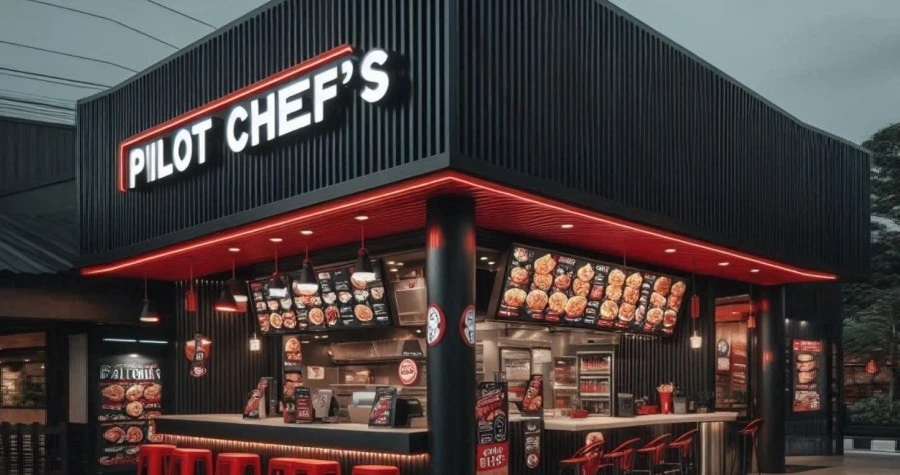
Pilot Chef’S operates in the quick-service restaurant (QSR) sector, offering a variety of fast meals including burgers, salads, plant-based options, and snacks. The brand targets urban consumers seeking high-quality, flavorful, and convenient dining experiences. It falls under the broader QSR franchise category, combining casual dining speed with menu innovation.
2. How the Business Works
Customers place orders at the outlet or through digital channels. Meals are prepared using standardized recipes to ensure consistency across locations. Franchisees manage kitchen operations, customer service, and local marketing. Revenue is generated through direct food sales, beverages, and value-added offerings such as combo meals and seasonal promotions.
3. Products or Services Offered
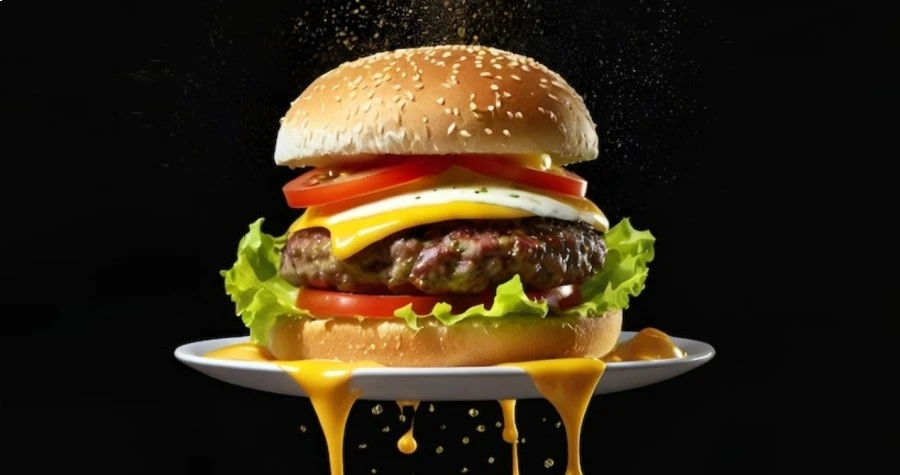
| Fast Meals | Gourmet burgers, sandwiches, and wraps |
|---|---|
| Health-Oriented Options | Salads, protein bowls, plant-based dishes |
| Snacks & Sides | Fries, tenders, and appetizer items |
| Beverages & Desserts | Fresh drinks, shakes, and sweets |
| Combo Meals & Offers | Value packs for families, students, and office orders |
4. Franchise Structure and Operating Model
Franchisees operate under the Pilot Chef’S brand guidelines, managing day-to-day operations including food preparation, staff management, inventory, and customer service. The franchisor provides operational procedures, recipe standards, training, and marketing guidance. Outlets are expected to maintain hygiene, menu consistency, and service quality aligned with the brand’s standards.
5. Franchise Cost and Investment
| Estimated Investment | INR 5 Lakh – 10 Lakh |
|---|---|
| Franchise Fee | Covers brand licensing, initial training, and setup support |
| Setup Costs | Kitchen equipment, POS systems, furniture, signage, and initial inventory |
| Royalty / Ongoing Payments | Typically applied for brand support, operational guidance, and marketing |
6. Space and Setup Requirements
| Space Requirement | 200–2000 Sq.ft depending on the outlet size |
|---|---|
| Location Preferences | High-footfall urban areas, malls, business districts, or near educational institutions |
| Equipment Needs | Standardized kitchen and cooking equipment, refrigeration, POS systems |
| Staffing Considerations | Chefs, kitchen assistants, service staff, and outlet manager |
7. Training and Franchise Support
Franchise partners receive:
- Comprehensive culinary and operational training
- Staff onboarding guidance and workflow management
- Marketing support, both digital and on-ground
- Assistance in outlet setup and layout design
- Ongoing operational advisory and recipe updates
8. Revenue Model and ROI Factors
Revenue is generated through food and beverage sales, promotional combo packages, and value meals. Demand drivers include location foot traffic, digital ordering, and repeat customers attracted by menu variety and consistent quality. Operational costs include staff wages, raw materials, and outlet overheads. The expected payback period ranges from 1–2 years.
9. Brand Background and Expansion
Founded in 2020, Pilot Chef’S began franchising in 2021. The brand has expanded to 50–100 outlets and is positioned for further growth in urban markets. Its expansion strategy combines high-traffic locations, standardized operations, and menu innovation to attract repeat and first-time diners.
10. What Makes This Franchise Different
Pilot Chef’S differentiates itself by combining fast service with quality-focused, innovative menu offerings, including plant-based and health-conscious options. Its operational model emphasizes consistency, efficiency, and customer experience, ensuring that QSR convenience does not compromise taste or presentation—a contrast to traditional fast-food outlets.
11. Key Advantages of the Franchise
- Growing demand for quality quick-service meals
- Scalable outlet model with digital ordering integration
- Repeat customer potential through innovative menu and combo offers
- Comprehensive operational and marketing support
- Expansion opportunities across urban centers and commercial hubs
12. Who Should Consider This Franchise
- First-time entrepreneurs interested in the foodservice sector
- Investors seeking urban quick-service restaurant opportunities
- Experienced food operators looking to expand into branded QSR chains
- Entrepreneurs focused on small retail or fast-casual dining concepts
Similar Franchise Opportunities
- Domino’s Pizza – National QSR with strong delivery and retail presence
- Pizza Hut – International pizza and casual dining franchise
- Burger King – Global quick-service restaurant chain with urban expansion
- Wow! Momo – Indian fast-casual chain offering snacks and quick meals
- Biryani By Kilo – QSR-style regional cuisine delivery and retail
These franchises provide comparable opportunities for investors in the quick-service and fast-casual dining sector.
Accepting franchise applications in 35 states & UTs

Q: What is the investment required for Pilot Chef’S franchise?
A: Initial investment ranges from INR 5 Lakh – 10 Lakh, including setup, initial inventory, and franchise fee for licensing and brand use.
Q: How does the franchise business operate?
A: Franchisees manage outlet operations, including food preparation, customer service, staff management, and digital order fulfillment while adhering to Pilot Chef’S quality and service standards.
Q: What space is required for the franchise?
A: Outlets typically require 200–2000 Sq.ft, depending on the menu range and location, with adequate space for kitchen, dining, and storage.
Q: How long does it take to recover the investment?
A: The expected payback period is 1–2 years, influenced by outlet location, operational efficiency, and sales volume.
Q: How can investors apply for the franchise?
A: Interested parties submit an application, undergo evaluation and training, and set up the outlet with ongoing support from the franchisor. ## Similar Franchise Opportunities
Disclaimer: All scores, rankings, and estimates on ForeFind are independently produced editorial assessments using publicly available data and validated brand-submitted information. They are not verified facts, financial advice, or investment recommendations. Full Disclaimer.
