



Overnite Express Ltd. Franchise: Daily Operations, Client Management and What Running This Business Looks Like
Among courier and logistics franchises operating at the lower investment end of the Indian market, the Overnite Express Ltd. franchise occupies an unusual position: a brand with sixteen years of operational history and a national footprint of over 1,800 offices, available to new partners for a capital commitment that most comparable businesses would spend on office furniture alone. That combination — scale without proportionate entry cost — is the starting point for evaluating whether this opportunity fits a particular investor’s situation.
What Overnite Express Ltd. Does and Who It Serves
Overnite Express moves documents and parcels across domestic and international routes, serving both individual senders and businesses with recurring dispatch requirements. On the retail side, a customer walking in with a time-sensitive document destined for a government office or a vendor in another state represents a single transaction. The corporate side is structurally different: a pharmaceutical distributor, a law firm, or an e-commerce seller becomes a recurring account, generating weekly or daily pickups across multiple delivery addresses.
A successful corporate engagement typically runs from prospecting through a rate negotiation, then into a trial period where the account tests the franchise’s reliability on a handful of shipments before committing volume. Once confidence is established, these clients rarely re-evaluate unless service deteriorates or a competitor actively courts them. The franchisee’s job is to make that first impression convincing enough that the account never feels the need to look elsewhere.
What an Overnite Express Ltd. Franchisee Does Every Day
The day divides into three zones. Morning is primarily operational: coordinating pickup schedules, logging inbound parcels, managing handoffs to the hub network, and resolving any delivery exceptions from the previous day. Midday shifts toward client-facing activity — following up with corporate accounts, visiting nearby businesses to pitch recurring contracts, and handling walk-in retail customers. Afternoons tend toward administration: billing, documentation, reconciling delivery confirmations, and responding to tracking queries.
This is fundamentally a relationship business wearing the clothes of a process business. The technology platform tracks shipments and handles billing, but the franchisee’s personal reliability — returning calls, flagging delays before clients notice them, remembering which accounts have deadline-sensitive shipments — is what separates a franchise that retains corporate clients from one that churns through them. Operators who treat it purely as a logistics operation and neglect the relationship layer typically see flat revenue; those who treat corporate accounts like retained clients tend to grow faster.
Client Onboarding, Delivery, and Retention
Retail clients need no formal onboarding — they arrive, hand over a parcel, pay, and receive a receipt. Corporate accounts are different, and that difference matters to the franchise’s revenue trajectory. A new business account begins with a rate discussion, then a small test shipment, then a review conversation where the franchisee addresses any friction from the trial. If that sequence goes cleanly, the account converts to a standing arrangement with agreed pickup schedules.
Retention is where most franchise revenue is either protected or lost. A corporate client who sends fifty parcels a month represents meaningful recurring income; losing that account to a competitor typically isn’t about price — it’s about a missed pickup, an unresolved delay inquiry, or simply a competitor who called on them more recently and offered to personally manage the account. Franchisees who build a simple habit of proactive communication — a brief check-in with major accounts every two to three weeks — report meaningfully lower churn than those who only make contact when something goes wrong.
The Technology Platform and Operational Infrastructure
Overnite Express has invested considerably in IT infrastructure, and the platform available to franchise partners covers the core operational needs: shipment booking, tracking, proof-of-delivery records, and billing. For a new franchisee, the learning curve on these systems is measured in days rather than weeks — the interface is designed for operational staff rather than IT professionals, and most functions become routine fairly quickly.
What the platform does not do is substitute for local knowledge. The franchisee still needs to understand which routes experience delays during specific seasons, which courier partners operate reliably in remote pin codes, and how to communicate proactively with clients when network disruptions create exceptions. When technical issues arise, escalation runs through the regional office structure — 18 regional offices and 44 area hubs provide a support layer that most smaller courier brands cannot match — but resolution timelines vary, and the franchisee is responsible for managing client expectations in the interim.
Building and Managing a Team
At launch, most franchisees operate with two or three staff: typically a counter person to handle walk-ins and documentation, a pickup and delivery coordinator, and the owner handling business development and oversight. This configuration works at lower volume levels. As corporate accounts accumulate and daily shipment counts rise, the workload on the coordinator becomes a bottleneck before anything else does.
The first meaningful hire beyond the founding team is usually a second field staff member who handles pickups independently, freeing the franchisee to spend more time on account development rather than logistics execution. In Tier 2 and Tier 3 cities, this hire is typically found through local referrals — courier and logistics experience helps but is not always necessary, since the operational procedures are trainable. Overnite’s regional office provides initial training frameworks, but day-to-day team management, scheduling, and performance accountability remain with the franchisee.
Franchisor Support: What Is Real and What Is Marketing
What Overnite Express genuinely provides to franchise partners: access to its national delivery network covering over 800 domestic destinations and more than 2,000 international locations, a technology platform for booking and tracking, the brand name and associated corporate client relationships that walk-in customers and businesses already recognize, and regional office support for operational escalations.
What the franchisee handles independently: local marketing and prospecting, corporate account acquisition within the territory, team recruitment and daily management, cash flow during the ramp-up period, and compliance with trade licensing and GST requirements. The franchisor does not generate clients on the franchisee’s behalf. Business development is a franchisee responsibility from day one, and investors who assume that brand recognition alone will fill the client pipeline typically find the first six months harder than expected.
Who Runs an Overnite Express Ltd. Franchise Successfully
The franchisee profile that performs well in this model has two characteristics that matter more than formal qualifications: comfort with direct client outreach, and patience with a business that builds through relationship accumulation rather than immediate volume. Prior experience in logistics is useful but not essential. Prior experience dealing with small and medium businesses — as a sales professional, a distributor, or even a local trader — translates more directly into the skills the role actually demands.
Someone with an existing network of local businesses has a structural advantage: a handful of corporate accounts from day one changes the financial trajectory considerably. Investors who are unwilling to personally visit potential clients, follow up on rate proposals, or engage with account management over time tend to plateau at retail walk-in volumes, which alone rarely cover operating costs at acceptable margins.
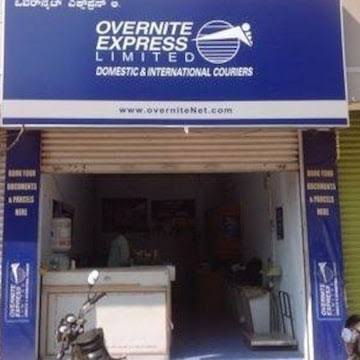
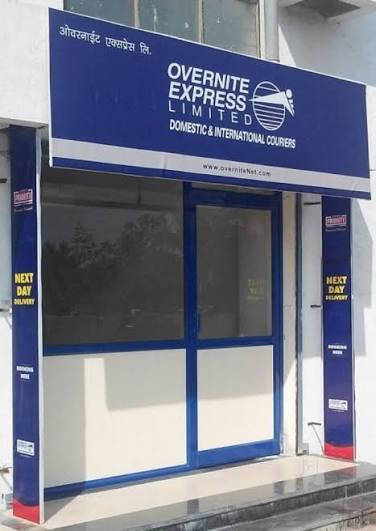
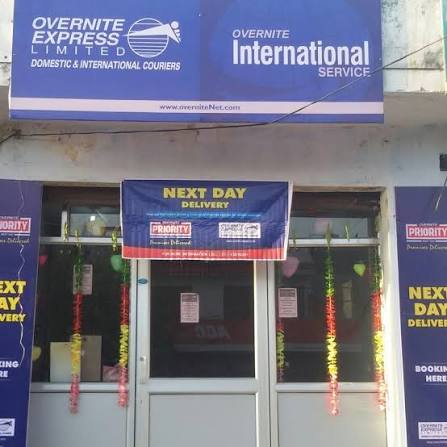
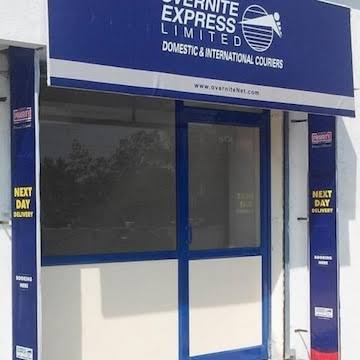
Accepting franchise applications in 32 states & UTs
What qualifications or professional background are needed to run an Overnite Express Ltd. franchise?
No specific educational qualification is mandated. The background that translates most directly is experience in client-facing or field sales roles, particularly in B2B environments. Logistics experience helps with operational fluency but is secondary to the ability to develop and retain business accounts.
Can an Overnite Express Ltd. franchise be run from home or does it require an office?
A physical commercial space of approximately 200 square feet is required. Home-based operation is not supported under this model, and part-time management is also not practical given the daily coordination demands of a courier franchise.
How does Overnite Express Ltd. support franchisees in acquiring their first clients?
The brand's national recognition and existing corporate relationships provide an initial credibility foundation. However, active prospecting within the local territory is the franchisee's responsibility. Regional offices may provide introductory guidance, but client acquisition is primarily a field activity rather than a centrally managed process.
What technology tools does Overnite Express Ltd. provide to franchisees?
Franchisees gain access to Overnite's IT platform covering shipment booking, real-time tracking, proof-of-delivery records, and billing. The system is designed for operational use rather than technical expertise, and most franchise staff reach working proficiency within the first week of operations.
How many active franchisees does Overnite Express Ltd. have in India?
The network currently comprises over 1,800 offices across India. At that scale, with sixteen years of franchising history, the brand represents one of the larger franchise networks in the domestic courier segment — a point that carries weight when approaching corporate clients who need confidence in delivery reliability beyond the local level.
Disclaimer: All scores, rankings, and estimates on ForeFind are independently produced editorial assessments using publicly available data and validated brand-submitted information. They are not verified facts, financial advice, or investment recommendations. Full Disclaimer.
