


MOS Utility Private Limited Franchise: Store Operations, Daily Management and What Owning This Business Looks Like
What began as a five-person garage operation in 2006 has grown into one of India’s larger digital services franchise networks, with over ten thousand franchisees processing transactions across banking, travel, utility payments, and entertainment. The MOS Utility Private Limited franchise is not a product retail business in the conventional sense — it is a transaction facilitation outlet, and understanding that distinction is essential before evaluating what daily ownership actually involves. The operational demands are real but different in character from those of a merchandise-based store, and the revenue model rewards consistent transaction volume over time rather than margin on individual product sales.
What MOS Utility Private Limited Sells and Who Buys It
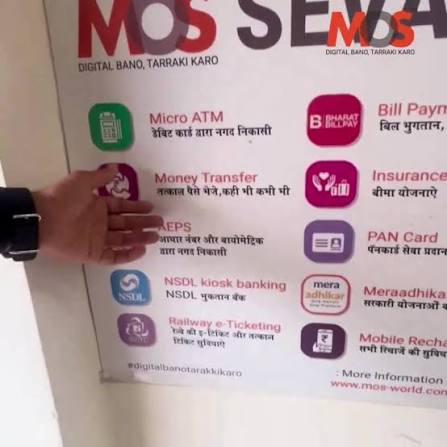
The service catalogue spans four broad categories, each with its own consumer demand driver. Banking services — Aadhaar-enabled payments, instant money transfers, deposits and withdrawals — serve a consumer base that either lacks direct banking access or finds physical bank branch visits time-consuming. Travel bookings cover rail, domestic and international flights, buses, hotels, and travel insurance, capturing both leisure and necessity travel. Utility payments handle electricity, water, mobile recharges, and DTH connections — the recurring monthly transactions that every household generates without fail. Entertainment ticketing for theme parks and cinema rounds out the portfolio.
The repeat purchase dynamic in this model is structurally built in. A household that pays utility bills monthly, recharges mobile connections regularly, and occasionally needs a train ticket or money transfer generates multiple transactions per month at a single outlet — without any active selling required. The franchisee’s role is to be the reliable local point where those transactions happen consistently and correctly. Over time, a customer base built on routine transactions becomes the most durable form of local revenue.
What Happens in a MOS Utility Private Limited Store Every Day
The day opens with platform login and a quick check that all service portals are live — banking APIs, travel booking systems, and utility payment gateways each need to be functional before the first customer arrives. Because the outlet processes financial transactions, any system outage needs to be identified immediately and communicated to customers who may have time-sensitive needs. This is a two-minute check that experienced franchisees build into their opening routine as a non-negotiable first step.
During trading hours, the operational flow alternates between processing customer transactions, confirming bookings and payment receipts, and handling the occasional exception — a failed transfer, a booking that requires manual follow-up, or a utility payment that needs reprocessing. The franchisee who is personally present in the early months develops an understanding of which transaction types generate the most customer queries and builds the response scripts that allow staff to handle those independently over time. End-of-day reconciliation covers all commissions earned, pending transactions, and any discrepancies that need to be flagged before the next morning.
Merchandise Planning, Display and Visual Standards
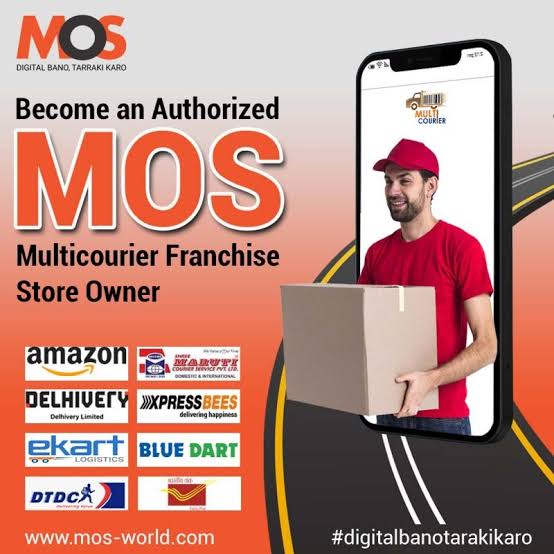
A MOS Utility outlet operating within 100 to 140 square feet is a lean, functional space where the physical environment communicates operational credibility rather than product aspiration. The priority for display is information clarity: which services are available, what the transaction process involves, and what documents or information a customer needs to bring. Service menus, rate cards for money transfers, and partner brand logos — telecom operators, IRCTC, insurance providers — should be visible and current.
Visual standards in this format are less about periodic merchandise refresh and more about ongoing maintenance. An outdated rate card, a non-functional display, or missing partner logos erodes the trust signal that a customer needs before handing over cash for a financial transaction. MOS provides branded collateral as part of the franchise package; keeping that material current and replacing worn signage promptly is a franchisee responsibility that directly affects customer confidence and therefore transaction volume.
Staff Requirements and the Hiring Reality
A solo-operated MOS outlet is viable for a franchisee who is personally available during trading hours and comfortable handling all transaction types independently. Beyond that baseline, adding one trained staff member creates the operational redundancy that allows the franchisee to step away without disrupting service continuity. The skill requirement is specific: accurate data entry, familiarity with the MOS platform across all service categories, and calm handling of customers who are anxious about financial transactions going wrong.
In a Tier 2 city, the right hire for this role is often found through community channels rather than formal job listings — a recent graduate who has completed a computer applications course, or someone already familiar with digital payment platforms from a previous job. The onboarding process through MOS’s training materials covers platform operation, but the franchisee who supplements that with a period of supervised transaction processing before leaving a staff member to handle customers alone builds a more reliable team than one who trains by documentation alone.
Supply Chain, Reordering and Inventory Management
MOS Utility’s service-based model eliminates the supply chain and inventory management burden that defines product retail franchises. There are no goods to order, no lead times to manage, no minimum purchase quantities, and no risk of stock becoming obsolete or unsellable. The franchisee’s operational relationship with the platform is managed entirely through the digital portal — service access is maintained through the franchise account, and new services or partner integrations are pushed to franchisees through the platform rather than through a physical supply chain.
Where physical materials exist — SIM cards for DTH connection sales, prepaid cards, or travel insurance documents — these are typically ordered through the MOS distributor network as needed, in quantities that reflect actual demand rather than forecasted inventory levels. The operational simplicity this creates is one of the genuine structural advantages of the digital services model over product retail at the same investment level.
Brand Support: Marketing, Promotions and National Campaigns
MOS Utility’s marketing support operates at two levels. At the network level, the brand’s scale — ten thousand franchisees across India — creates awareness through sheer presence, and partnerships with IRCTC, telecom operators, and financial services providers generate category-level demand that benefits local franchisees without requiring local ad spend. At the outlet level, MOS provides branded materials and field support through its distributor and master franchise network, which is intended to help new franchisees build initial customer awareness in their catchment.
The franchisee’s local marketing responsibility centres on community presence rather than paid advertising. Introducing the outlet to nearby kirana stores, residential associations, and local employer networks generates awareness efficiently at low cost. The master franchise structure also means that franchisees in most markets have access to a regional support contact — someone with local market knowledge who can advise on which service categories generate the most demand in that specific geography.
Who Runs a MOS Utility Private Limited Store Successfully
The franchisees who build consistent monthly revenue in the MOS network are those who treat their catchment as a relationship rather than a location. They know which nearby households send money transfers regularly, which local businesses need bulk recharges, and which community members are booking travel for the wedding season — and they position the outlet as the natural choice for those recurring needs before the transaction moment arrives.
The MOS Utility Private Limited franchise rewards attentive ownership in the early months, and franchisees who delegate operations entirely to an untrained manager before establishing their own understanding of the platform and the customer base consistently find that transaction volumes — and therefore commissions — take far longer to reach the break-even point than the six-to-twelve month estimate assumes for an actively managed outlet.
Accepting franchise applications in 33 states & UTs

What space is required for a MOS Utility Private Limited franchise store?
A MOS Utility outlet requires between 100 and 140 square feet of usable space. The format is compact by design — transaction processing needs a workstation, customer seating, and clear service display materials, not product shelving or storage. Home-based operation is supported within the franchise structure, which allows franchisees in high-rent areas to minimise overhead by operating from a dedicated room within their residence rather than a separate commercial premises.
How long does the setup process take for a MOS Utility Private Limited store?
Given the simple setup complexity and the absence of physical inventory or fit-out requirements beyond basic workspace preparation, most franchisees are ready to transact within one to three weeks of completing onboarding. The primary prerequisites are GST registration, trade licence, and completion of the platform training provided by MOS through its distributor network. Franchisees who have their compliance documentation in order before beginning the onboarding process typically reach operational readiness at the faster end of this timeline.
What product training and retail operations training does MOS Utility Private Limited provide?
MOS provides platform-specific training covering all active service categories — banking transactions, travel booking workflows, utility payment processing, and entertainment ticketing. Training is delivered through the distributor and master franchise network, with both documentation and hands-on guidance available. Because the platform is periodically updated with new service integrations or partner additions, franchisees receive ongoing updates through their distributor contact rather than relying solely on initial onboarding materials.
Can a MOS Utility Private Limited store be run semi-absentee with a store manager in place?
The business structure supports semi-absentee operation, and many franchisees in the MOS network operate this way once they have established reliable staff and consistent transaction volumes. The practical path to successful semi-absentee management involves the franchisee spending the first three to six months building direct familiarity with the platform, the customer base, and the most common transaction exceptions — then transitioning oversight to a trained manager with clear daily reconciliation reporting. Remote monitoring through commission reports and transaction logs allows franchisees to identify performance issues without requiring physical presence every day.
How does MOS Utility Private Limited support franchisees during festive season demand peaks?
Festive season creates demand spikes across multiple MOS service categories simultaneously. Travel bookings increase sharply in the weeks before Diwali and Eid, utility payment volumes rise as households settle pre-holiday bills, and entertainment ticketing picks up for family outings. The MOS platform handles the transaction volume increase at the infrastructure level; the franchisee's preparation involves ensuring staff coverage for extended hours and communicating seasonal service availability proactively to their existing customer base in the weeks before peak demand arrives.
Disclaimer: All scores, rankings, and estimates on ForeFind are independently produced editorial assessments using publicly available data and validated brand-submitted information. They are not verified facts, financial advice, or investment recommendations. Full Disclaimer.
