


Monginis Foods Pvt Ltd Franchise: Investment, Returns and Profit Model in India
About Monginis Foods Pvt Ltd
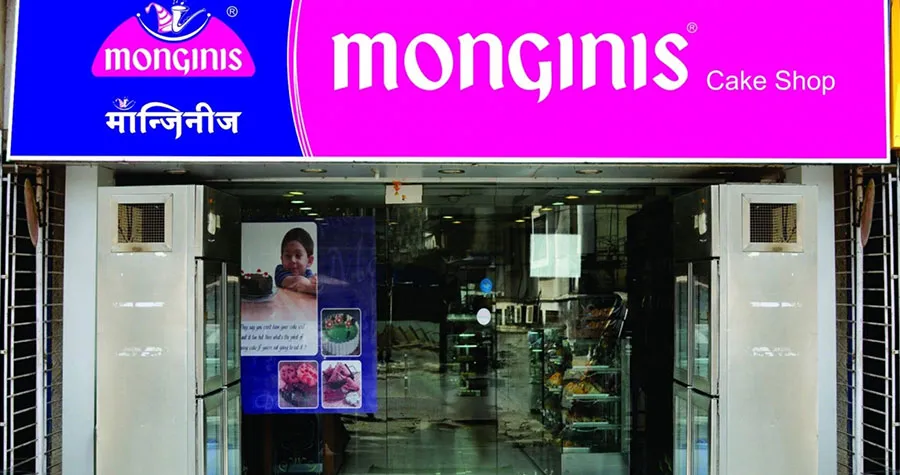
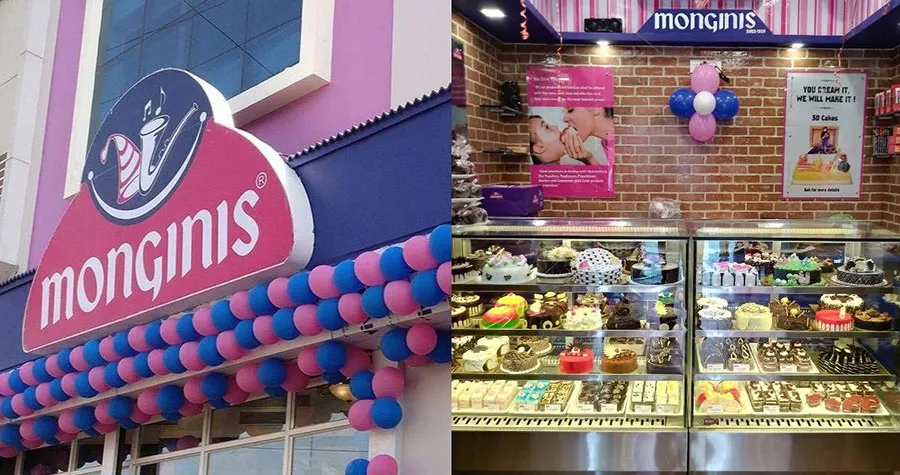
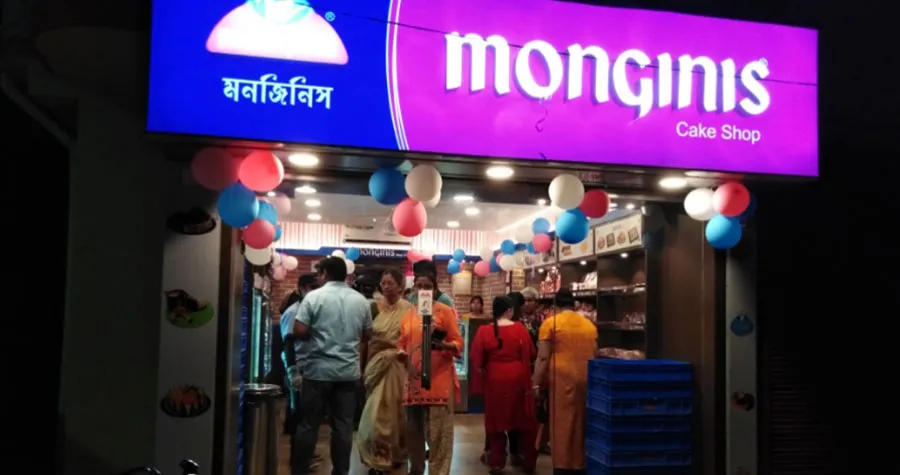
Monginis Foods Pvt Ltd franchise operates one of India’s largest organized bakery and confectionery retail networks, distributing cakes, pastries, and bakery products through 750 exclusive cake shops across more than 23 states. The brand serves families and individuals primarily for celebration occasions — birthdays, anniversaries, weddings — alongside everyday bakery consumption, through a compact 250 square foot retail format in high-street and residential locations. With a group turnover reported at ₹800 crore and a distribution network extending beyond 1,000 additional trade partners, the business has reached a commercial scale that few Indian food brands in any category have achieved. The franchising network has grown at an average of 53.6 new units per year over 14 years — a sustained expansion pace that reflects franchisee commercial viability rather than promotional growth.
The Revenue Model in Practice
Revenue at a Monginis franchise flows primarily through walk-in retail purchases of pre-packaged and display products, custom order collection for occasion cakes, and delivery platform orders. The shop format is retail-first rather than dine-in — 250 square feet supports a product display, a counter, and a small customer service area but not seated consumption. This means every customer who enters is in purchase mode rather than browsing mode, which produces a different conversion dynamic than café-format bakeries where revenue per customer is partly driven by dwell time. The franchisee controls local marketing activity, staff management, and the development of corporate and institutional gifting accounts that supplement walk-in demand. The brand system determines the product range, pricing, and the 20 percent royalty on revenue that applies across the operating period.
The 20 percent royalty is a specific variable that prospective franchisees should model carefully. On a monthly revenue of ₹2 lakh, the royalty amounts to ₹40,000 — a fixed percentage obligation on gross revenue rather than on profit, which means the royalty is payable regardless of the month’s net margin. This structure is standard in large franchise networks but materially affects the break-even threshold the franchisee must reach before net profitability begins.
Understanding the Investment: What INR 10 Lac – 20 Lac Actually Buys
The total investment at this level covers the franchise fee of ₹3 lakh (non-refundable), store fitout for 250 square feet to Monginis’ standardized design, refrigerated display cases and counter equipment for product presentation and storage, opening product inventory, FSSAI licensing, training in Mumbai at the brand’s headquarters, and working capital for the first two to three operating months. The investment range reflects variation in city-specific fitout costs — commercial construction and interior work cost more in Tier 1 cities than in Tier 2 markets, which can move the total commitment meaningfully within the ₹10 to 20 lakh bracket.
Monthly costs after opening include commercial rent (the largest variable in the cost structure), staff wages for three to ten employees, product procurement from the Monginis supply chain, the 20 percent royalty on revenue, FSSAI annual renewal, and delivery platform commissions on aggregator-sourced orders. The cost floor — the minimum monthly outgoing before any revenue is generated — is set primarily by rent and staff wages, and the franchisee’s break-even calculation begins with this floor rather than with the investment amount. A franchisee whose monthly costs sum to ₹1.5 lakh needs to generate revenue that, after royalty deduction, covers this floor — which requires a monthly gross revenue significantly above ₹1.5 lakh given the 20 percent royalty structure.
Break-Even and Return Timeline
The 9 to 18 month break-even range is shaped by two variables more than any other: the quality of the location’s foot traffic and the pace of custom order development. Monginis franchise benefits from one of the strongest consumer recognition profiles in Indian bakery retail — the brand name generates walk-in conversion from consumers who trust the product without needing to evaluate it. This pre-existing awareness compresses the customer acquisition timeline materially compared to less established brands. Franchisees who open in locations where this consumer recognition is already embedded — areas where Monginis has existing brand familiarity — reach steady-state daily transaction volumes faster than those in markets where the brand is new.
The 18-month trajectory typically reflects a combination of lower-than-projected daily transaction volumes in the early months and a slower build of the custom order pipeline for occasion cakes. Variables outside the franchisee’s control include input cost movements that affect Monginis’ product pricing and local rental market conditions at lease renewal. The franchisee-controlled accelerators are location activation through community outreach, corporate gifting development for office and institutional buyers, and active management of the delivery platform accounts that extend the effective catchment radius beyond walk-in distance.
What the Franchisor Provides and What They Do Not
Monginis provides the franchisee with training at its Mumbai headquarters, covering product knowledge, operating procedures, store management standards, and customer service protocols. Comprehensive operating manuals define the processes the franchisee runs from day one. Ongoing field assistance from the brand’s support team is available for setup and early operations. The product supply chain — one of the brand’s most substantive franchisee benefits — provides consistent, quality-tested Monginis products at the outlet level rather than requiring franchisees to source ingredients and produce independently. Product consistency across 750 outlets is managed at the production level, not the franchise level.
The franchisee manages independently: lease negotiation and the attendant rental risk, staff recruitment and management, local customer acquisition and community marketing, delivery platform account management, FSSAI compliance at the outlet level, and the development of corporate and institutional accounts that supplement walk-in revenue. The brand provides the product, the training, and the nationwide brand recognition. The franchisee provides the market execution — and in a network of 750 units, the franchisor’s primary leverage over individual unit performance is the brand standard framework rather than direct operational support.
Financial Risk Factors Specific to This Category
Product spoilage risk at a Monginis outlet is moderated by the centralized production model — the franchisee does not manage perishable raw ingredients in the same way a live kitchen bakery does. The risk is in unsold finished product at the end of each day, which represents a direct loss if production is not calibrated to actual demand patterns. Delivery platform dependency creates the standard commission compression risk — 25 to 30 percent on aggregator orders — that reduces the effective margin on a portion of daily revenue. The 20 percent royalty applied before this calculation means the effective revenue available to cover costs on a delivery order is lower than on a direct walk-in purchase, making the mix of revenue channels commercially significant. Staff turnover in food retail is persistent; losing trained counter staff disrupts the customer experience during replacement periods. FSSAI compliance is annual and standard. Lease renegotiation is the medium-term risk that franchisees should mitigate by negotiating initial lease terms with escalation provisions rather than open-ended renewal terms.
Who This Investment Suits and Who It Does Not
The Monginis franchise consistently reaches break-even at the shorter end of the timeline for experienced professionals and small retailers who bring prior commercial management experience — specifically the ability to manage staff productivity, customer relationships, and the corporate order development activities that push monthly revenue above the cost floor efficiently. Investors who have operated consumer-facing retail or food service businesses understand the daily operational rhythm this format requires; those entering the category for the first time face a steeper learning curve. Investors who commit to the Monginis franchise expecting the brand’s national recognition to generate passive revenue without active personal engagement in store operations, local marketing, and customer relationship management consistently fail to sustain the transaction volumes the 20 percent royalty structure requires to support meaningful net margin.
Accepting franchise applications in 31 states & UTs
How much does a Monginis Foods Pvt Ltd franchise cost in India?
The total investment for a Monginis franchise falls within the INR 10 to 20 lakh range, including a non-refundable franchise fee of ₹3 lakh, store fitout for 250 square feet, display and refrigeration equipment, opening inventory, training, and working capital. An ongoing royalty of 20 percent on gross revenue applies throughout the franchise term. Full investment details and the franchise agreement terms are provided during the evaluation process with Monginis.
What is the expected monthly revenue from a Monginis Foods Pvt Ltd outlet?
The indicative monthly revenue range is ₹1.3 lakh to ₹6.5 lakh. After the 20 percent royalty deduction, the franchisee's net revenue available for covering costs and generating profit ranges proportionally. Location quality, the development of corporate and occasion order accounts, and daily operational consistency are the primary variables determining where in this range a specific outlet performs. Revenue in the lower portion of the range is achievable at modest daily transaction volumes; the upper range requires consistent high-footfall location performance and active corporate gifting development.
Does Monginis Foods Pvt Ltd provide territory exclusivity to franchisees?
Territory exclusivity provisions are confirmed during the franchise agreement process. With 750 operational units across 23-plus states and 53 new units added annually, the network is dense in some markets and still expanding in others. Prospective franchisees should clarify the geographic radius within which Monginis will not place a competing outlet, particularly in high-density urban areas where multiple Monginis locations in close proximity could affect each other's addressable customer base.
What licenses are required to open a Monginis Foods Pvt Ltd franchise?
An FSSAI license is the primary regulatory requirement for a bakery retail outlet. The registration category depends on annual turnover and product handling scope. Local municipal trade licenses and commercial establishment registrations apply in most cities. The Monginis training program covers compliance requirements, and franchisees should initiate FSSAI registration in parallel with physical setup to avoid post-completion delays to the opening date.
Is prior food business experience required to open a Monginis Foods Pvt Ltd franchise?
Prior food business experience is not a formal entry requirement. The Monginis training program at the Mumbai headquarters provides the product knowledge, operational procedures, and store management training needed before opening. However, prior experience managing a retail or customer-facing business — in any category — significantly reduces the early-stage operational learning curve. Franchisees without commercial management experience should plan for more intensive personal involvement in the outlet's first six months while operational systems and staff management routines become established.
Disclaimer: All scores, rankings, and estimates on ForeFind are independently produced editorial assessments using publicly available data and validated brand-submitted information. They are not verified facts, financial advice, or investment recommendations. Full Disclaimer.
