



Marie Claire Franchise: Investment, Membership Model and Return on Capital in India
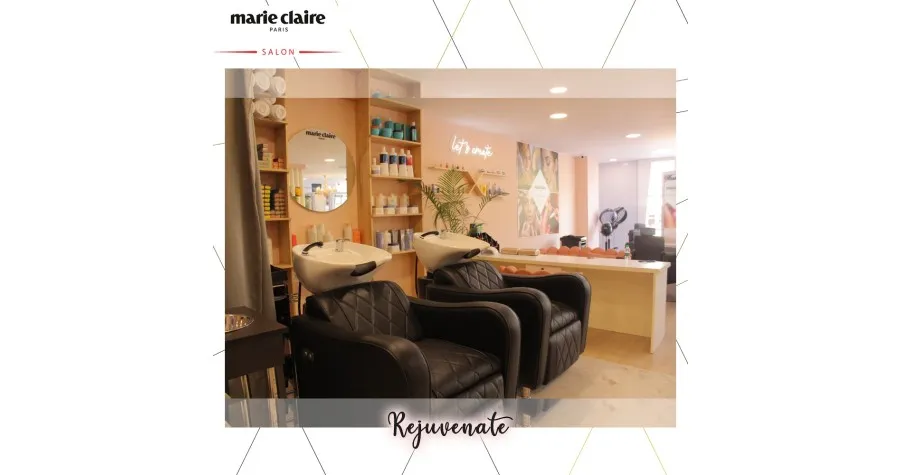
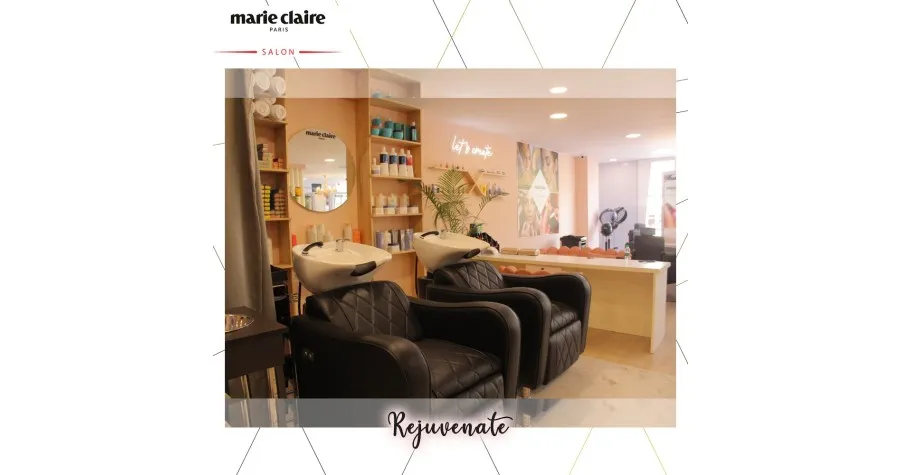
Launched in 2018 and franchising from 2019, the Marie Claire franchise operates in the mid-high investment tier of India’s organised beauty salon segment, targeting residential high-street locations with a 700 to 1,000 square foot format designed for consistent, professional delivery of hair and beauty services. The brand’s network of twenty to fifty centres has been built through selective rather than rapid expansion — a pattern that reflects the brand’s focus on franchisee quality over unit count. For a financially oriented investor evaluating this format, the relevant questions are how the investment performs over time, what the monthly cost structure looks like in practice, and whether the client retention economics justify the entry commitment.
About Marie Claire
Marie Claire positions itself in the accessible-premium segment of the organised salon market — quality-consistent, professionally delivered services for urban middle-income consumers who want a reliable beauty experience in their neighbourhood without paying luxury salon pricing. The service menu covers the core high-frequency categories: hair care including cuts and colour, skin treatments, and beauty services for a primarily female but increasingly unisex client base. The 700 to 1,000 square foot format is large enough to accommodate three to five simultaneous service stations without the operational complexity of a full spa setup. What the brand’s network development over six years of franchising signals is that the locations where it has established centres have sustained repeat client demand — in the salon category, locations that do not generate loyal returning clients do not survive long enough to be counted in a network of twenty-plus units.
Revenue Model: Walk-In, Membership, or Subscription
Revenue in a Marie Claire centre flows primarily from individual service appointments — haircuts, colour treatments, skin services, and beauty treatments — supplemented by retail product sales and, where actively managed, prepaid membership or package arrangements. The ratio between recurring and acquisition-dependent revenue evolves as the centre matures. In the first six months, the centre is almost entirely dependent on generating and retaining new clients; by month twelve to eighteen in a well-managed centre, a meaningful proportion of monthly revenue comes from clients who return regularly on their own initiative. The franchise model’s value at this stage is that the brand’s name and presentation have already done part of the trust-building work — walk-in clients in a branded Marie Claire centre require less convincing that the service will be worth their money than they would in an unknown independent salon. Retail product recommendations integrated into service consultations add a margin-positive revenue layer that, in centres where it is actively managed, can contribute ten to twenty percent of monthly revenue.
Investment Breakdown and Ongoing Cost Structure
The initial investment of INR 20 Lac to 30 Lac covers the principal setup requirements for a 700 to 1,000 square foot space: interior fit-out to brand specification, professional salon equipment across hair and beauty service categories, opening product inventory, the brand licence fee of INR 7 Lac, and the initial training programme. The variance within the investment range is driven primarily by location — lease deposit requirements and fit-out costs in premium urban residential catchments are higher than in mid-tier Tier 2 markets.
Monthly operating costs are structured around four main lines. Staffing is the largest: a team of three to eight includes senior stylists, junior technicians, and front-desk staff, with total salary costs varying significantly between city tiers and the experience level of hires. A royalty of 10 percent of revenue is payable to the franchisor — slightly above the industry median for this investment level, which is worth factoring into monthly cash flow projections. Product procurement from approved suppliers, lease payments, and any technology or software costs round out the monthly structure. The revenue model is classified as low-margin, which means the gap between a profitable and a break-even centre is largely determined by how tightly these cost lines are managed relative to actual revenue.
Client Retention and Lifetime Value
In the beauty salon category, client retention is the financial variable that matters most — more than location quality, more than marketing spend, and more than service menu breadth. A client who visits a Marie Claire centre every five to six weeks for two years generates roughly twenty to twenty-four service appointments across that relationship; a client who visits once and does not return generates one. The cost of serving the loyal client in year two is effectively zero on the acquisition side, while replacing a lapsed client with a new one requires marketing effort, staff consultation time, and a trust-rebuilding period. The break-even window of nine to eighteen months is almost entirely a retention story: centres that convert a high proportion of first-time visitors into regular clients reach break-even at the faster end of that range; those that rely on continuous new-client acquisition to replace lapsed ones consistently take longer. Drivers of retention in this category are consistent: reliable service outcomes, the relationship quality with a specific technician, and the ease of rebooking through effective post-visit communication.
Staffing Costs and the Quality-Margin Tension
The quality of staff is the primary determinant of client retention, which makes staffing simultaneously the most important and the most expensive operational input. A Marie Claire centre in its standard configuration requires one or two senior stylists with full technical capability, two to three junior technicians developing their service range, and a receptionist managing appointments and retail. In Tier 1 cities, experienced stylists who can deliver consistent colour and cut results to a quality-conscious client base command monthly salaries between INR 28,000 and 50,000. In Tier 2 cities, salary expectations are lower but qualified candidates are fewer, requiring franchisees to invest in structured on-the-job development over six to twelve months.
The quality-margin tension is structural rather than solvable. Cutting staff costs by hiring below the required technical level consistently produces service inconsistency, which damages retention rates and therefore the revenue base that the monthly cost structure depends on. The franchisor supports recruitment and training, reducing the difficulty of finding and developing capable staff, but the retention of key stylists — the ones who have built client relationships over time — is the franchisee’s ongoing operational responsibility. An experienced stylist who leaves mid-year takes a portion of the loyal client base with them, which is a retention and revenue disruption that no marketing spend easily repairs.
Regulatory and Compliance Considerations
A Marie Claire franchise operates under a manageable compliance framework for personal care services. A trade licence from the local municipal authority is the primary requirement, supplemented by Shops and Establishments Act registration in the relevant state. Because the services are personal care rather than clinical or pharmaceutical in nature, the more complex licensing requirements associated with medical aesthetics, clinical wellness, or AYUSH treatment centres do not apply. GST registration becomes mandatory once annual revenue crosses the applicable threshold. Franchisees should confirm state and municipal-specific requirements at the time of location selection, as conditions vary between jurisdictions and the specifics for personal care establishments are not uniform across India.
Who This Investment Suits
The investor who performs well with a Marie Claire franchise is typically an established small business owner who already understands service staff management and repeat-client economics, or a mid-level corporate professional who brings organisational discipline and is willing to be operationally present through the first eighteen months while the client base and team are being established. The brand’s mid-high investment tier and residential high-street format suit investors who see this as a primary business commitment rather than a secondary income stream. Investors who underestimate the complexity of managing trained beauty professionals — specifically the challenge of maintaining performance standards, managing client relationships that individual stylists hold, and retaining capable staff in a market where poaching is common — consistently find that their centre produces results below what its location and brand affiliation would otherwise support.
Accepting franchise applications in 25 states & UTs


How much does it cost to open a Marie Claire franchise?
The total initial investment falls between INR 20 Lac and 30 Lac, which includes interior fit-out for 700 to 1,000 square feet, professional equipment, opening product inventory, the brand licence fee of INR 7 Lac, and initial training. The spread within this range reflects location-specific real estate costs: lease deposits and fit-out expenses in premium urban residential areas are higher than in comparable Tier 2 city markets. Investors targeting high-income residential catchments in major cities should budget toward the upper end of the range.
What is the expected monthly revenue from a Marie Claire centre?
Monthly revenue figures are confirmed through the franchise inquiry process. Using category benchmarks, a mid-high investment full-service salon of this format in an established residential catchment with a maturing client base typically generates monthly revenue consistent with a nine to eighteen month break-even on the investment range. The indicative payback period of five to eleven months stated by the franchisor represents an optimistic scenario achievable in high-footfall locations with strong retention performance; investors should build financial projections using conservative assumptions and validate them against actual unit performance data from existing franchisees.
How many clients does a Marie Claire centre need to reach break-even?
Break-even is estimated between nine and eighteen months. The client count required depends on average spend per visit and the local monthly cost structure, but a centre in its standard configuration that builds a base of sixty to eighty regular monthly clients — visiting every five to six weeks and spending at the mid-market rate for the catchment — will typically cover monthly operating expenses and begin generating a return. Franchisees who actively convert first-time visitors to regular schedules through post-visit communication and service consistency reach this threshold significantly faster than those who depend on footfall renewal to replace lapsed clients.
What staff qualifications does Marie Claire require?
Senior stylists need formal cosmetology qualifications and practical experience delivering consistent hair and beauty services to a quality-conscious clientele. Junior technicians typically hold cosmetology diplomas and develop full-service capability through structured training over six to twelve months. The receptionist role requires customer service competence and appointment management skills rather than technical beauty qualifications. In Tier 2 cities where the certified cosmetology graduate pool is smaller, franchisees often recruit candidates with foundational training and develop them in-house, which requires a six to twelve month development investment before those staff are fully productive on the revenue side.
What licenses are required to open a Marie Claire franchise in India?
A trade licence from the relevant local municipal authority is the primary compliance requirement. Shops and Establishments Act registration applies in most states. Because Marie Claire delivers personal care and beauty services without clinical or pharmaceutical components, the more complex licensing frameworks for medical aesthetics or clinical wellness formats do not apply. GST registration is required once annual revenue crosses the applicable threshold. Compliance requirements vary between states and municipal jurisdictions; franchisees should confirm specific conditions for personal care establishments at their chosen location during the site selection process.
Disclaimer: All scores, rankings, and estimates on ForeFind are independently produced editorial assessments using publicly available data and validated brand-submitted information. They are not verified facts, financial advice, or investment recommendations. Full Disclaimer.
