



Mantri Ji Ki Chai Franchise
Brand & Franchise Snapshot
| Brand Name | Mantri Ji Ki Chai |
|---|---|
| Industry | Food & Beverage (Tea Café / QSR) |
| Business Category | Tea and Coffee |
| Founded Year | 2020 |
| Franchise Started | 2021 |
| Total Franchise Outlets | 20 – 50 |
| Estimated Investment | INR 50,000 – 2 Lakh |
| Franchise Fee | Typically covers brand licensing, onboarding, and setup support in franchise systems |
| Royalty Fee | Ongoing fee structure generally used for brand support and system access |
| Space Requirement | 100 – 200 Sq.ft |
| Staff Requirement | Small operational team for preparation and service |
| Expected Payback Period | 1 – 2 Years |
1. What is Mantri Ji Ki Chai?
Mantri Ji Ki Chai is a tea-focused quick service beverage brand operating in the café and street-format tea retail segment. The business offers traditional Indian tea varieties along with curated blends, targeting daily consumers seeking quick, affordable, and culturally familiar beverage options.
2. How the Business Works
The model is based on a compact tea outlet serving freshly prepared beverages. Customers typically order at the counter and receive their tea within a short preparation time.
Operations revolve around standardized brewing processes, ingredient handling, and high-speed service. Revenue is generated through frequent small-ticket transactions, with demand driven by daily tea consumption habits across multiple customer groups.
3. Products or Services Offered
The menu is structured around repeat-consumption beverages:
- Traditional Indian chai (milk tea variants)
- Masala chai with spice blends
- Specialty teas using different leaf profiles
- Herbal or flavored tea variations
The product offering is designed for consistency, quick preparation, and strong repeat demand rather than large menu diversity.
4. Franchise Structure and Operating Model
The franchise follows a standardized retail beverage format:
- Franchise partners operate the outlet and manage day-to-day activities
- The brand provides product recipes, sourcing guidance, and operational frameworks
- Uniform preparation methods ensure consistency across locations
- Franchisees handle staffing, local marketing, and customer service
The model emphasizes operational simplicity with brand-controlled product standards.
5. Franchise Cost and Investment
Estimated Investment: INR 50,000 – 2 Lakh
Typical cost components include:
- Basic outlet setup and branding
- Tea preparation equipment
- Initial stock of raw materials
- Working capital for early operations
Franchise fees generally grant brand usage rights and onboarding support, while royalty payments (where applicable) contribute to continued operational and marketing assistance.
6. Space and Setup Requirements
| Space Requirement | 100 – 200 Sq.ft |
|---|---|
| Preferred Locations | High footfall areas such as markets, transport hubs, and commercial zones |
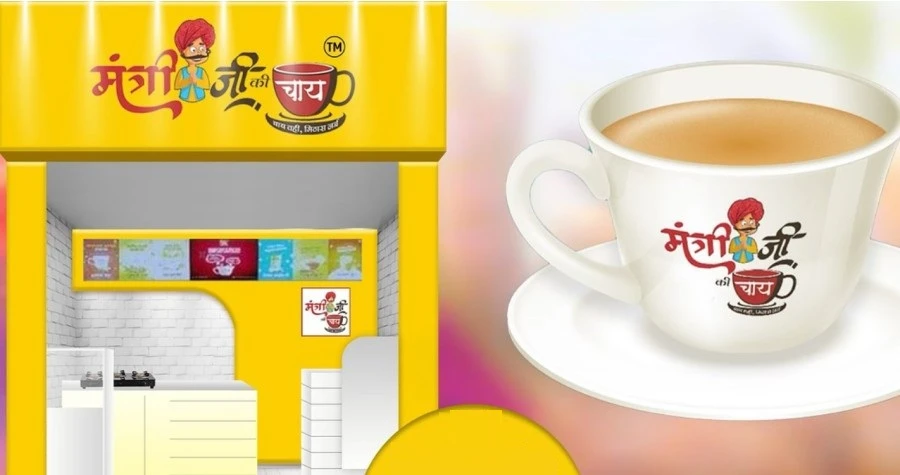
| Setup Needs | Compact tea counter, brewing equipment, minimal seating (optional) |
| Staffing | 2–3 personnel for preparation and service |
The small footprint allows flexible entry into dense urban locations with lower rental exposure.
7. Training and Franchise Support
Support systems are designed for ease of execution:
- Training on tea preparation and quality consistency
- Assistance in outlet setup and workflow design
- Guidance on sourcing raw materials
- Marketing inputs for local customer acquisition
- Ongoing operational support
These systems reduce the complexity of running a food and beverage outlet for new operators.
8. Revenue Model and ROI Factors
Revenue is driven by volume-based sales:
- Affordable pricing encourages frequent purchases
- Tea consumption is habitual, ensuring steady demand
- Quick service enables high daily transaction volume
Profitability depends on location quality, cost control, and service efficiency. The payback period aligns with the low investment structure, though actual returns vary by outlet performance.
9. Brand Background and Expansion
- Established in 2020 as a tea-focused retail concept
- Franchising began in 2021
- Expanded to a network of 20–50 outlets
- Growth strategy centers on small-format expansion in high-demand tea markets
The expansion reflects the scalability of compact beverage outlets in densely populated regions.
10. What Makes This Franchise Different
Unlike many tea outlets that focus on rapid, standardized serving, this concept places emphasis on curated tea sourcing and controlled brewing processes. The operational model combines small-format retail efficiency with a more structured approach to tea preparation, creating a balance between speed and product differentiation.
11. Key Advantages of the Franchise
- Strong and consistent demand for tea in daily consumption
- Low investment entry compared to larger food outlets
- Compact setup with flexible location options
- High repeat purchase frequency
- Scalable model suitable for multi-outlet expansion
12. Who Should Consider This Franchise
- First-time entrepreneurs entering the food and beverage sector
- Small investors seeking low-capital business opportunities
- Operators interested in kiosk or small retail formats
- Individuals targeting high-footfall urban or semi-urban locations
Similar Franchise Opportunities
- Chai Sutta Bar
- MBA Chai Wala
- Tea Time
- Chai Point
- Chaayos
Accepting franchise applications in 35 states & UTs
What is the investment required for Mantri Ji Ki Chai franchise?
The investment typically ranges from INR 50,000 to 2 lakh. This includes basic setup, equipment, and initial inventory. The relatively low capital requirement makes it accessible for first-time business owners looking to enter the beverage retail segment.
How does the Mantri Ji Ki Chai franchise business operate?
The franchise operates as a quick-service tea outlet where beverages are prepared and served rapidly. Franchisees manage daily operations such as brewing, customer handling, and inventory, while following standardized processes provided by the brand.
What space is required to start the franchise?
A compact area of 100 to 200 square feet is sufficient. The model is designed for high footfall locations like markets or transport areas, requiring minimal infrastructure focused on efficient service and quick customer turnover.
How long does it take to recover the investment?
The expected payback period is approximately 1 to 2 years. Recovery depends on factors such as location quality, customer volume, and operational efficiency, particularly the ability to maintain consistent daily sales.
How can investors apply for the franchise?
Interested investors can apply by contacting the brand’s franchise team. The process generally includes initial discussions, agreement formalities, setup planning, and training before launching the outlet under the brand’s operational system. ## Similar Franchise Opportunities
Disclaimer: All scores, rankings, and estimates on ForeFind are independently produced editorial assessments using publicly available data and validated brand-submitted information. They are not verified facts, financial advice, or investment recommendations. Full Disclaimer.
