



Little Elly Franchise
Franchise Quick Facts
| Brand Name | Little Elly |
|---|---|
| Industry | Education |
| Business Category | Preschools / Early Childhood Development |
| Founded Year | 2004 |
| Franchise Started Year | 2008 |
| Total Franchise Outlets | 100–200 |
| Estimated Investment | INR 10 Lakh – 20 Lakh |
| Franchise Fee | INR 3,00,000 |
| Royalty Fee | 15% |
| Space Requirement | 2400–5000 Sq.ft |
| Staff Requirement | Trained early childhood educators and administrative staff |
| Expected Payback Period | 1–2 years |
1. What is Little Elly?
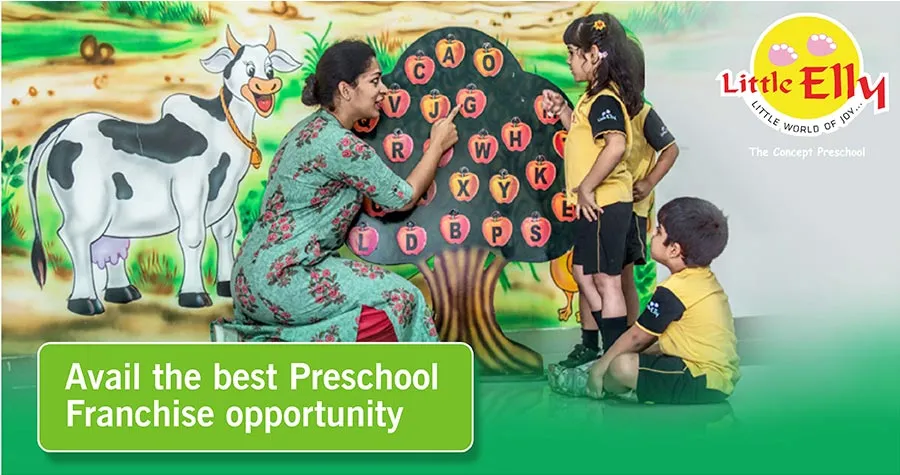
Little Elly is a preschool franchise that provides early childhood education programs focusing on academic, social, emotional, and creative development. Operating in the education sector, it serves children from toddler age to kindergarten through a structured, child-centric curriculum. The franchise caters to parents seeking holistic learning environments and investors targeting preschools in the early learning category.
2. How the Business Works
Franchise centers deliver a combination of structured classroom activities and experiential learning. Children participate in programs such as Toddler, Pre-nursery, Nursery, and Kindergarten, guided by trained educators. Revenue is primarily generated from tuition and activity fees. Franchise owners manage operations while following franchisor-provided curriculum, operational procedures, and marketing systems.
3. Products or Services Offered
| Early Learning Programs | Toddler, Pre-nursery, Nursery, and Kindergarten |
|---|---|
| Child Development Modules | Academic, artistic, cognitive, and emotional growth programs |
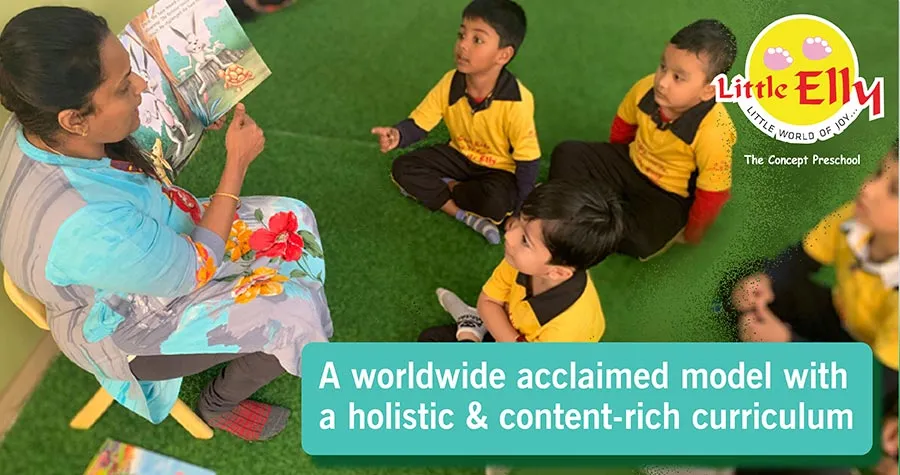
| H.A.P.P.Y Curriculum | Proprietary structured approach integrating activities and learning outcomes |
| Parental Engagement | Workshops, updates, and consultation sessions to track child progress |
4. Franchise Model and Operating Structure
| Franchise Partner Role | Oversee daily preschool operations, student enrollment, staff supervision, and adherence to curriculum |
|---|---|
| Operational Responsibilities | Facility management, program execution, teacher supervision, and administrative tasks |
| Franchisor Relationship | Provides curriculum, teacher training, operational guidance, marketing support, and lead management tools |
| Outlet Operations | Centers follow standardized curriculum and teaching methodologies, ensuring uniformity in educational delivery across locations |
5. Franchise Cost and Investment Overview
| Estimated Investment | INR 10–20 Lakh covering infrastructure setup, educational materials, and initial operating expenses |
|---|---|
| Franchise Fee | INR 3,00,000 |
| Royalty | 15% of gross revenue |
| Setup Costs | Furniture, classroom equipment, learning tools, IT infrastructure, and branding |
| Operational Expenses | Staff salaries, utilities, marketing, and curriculum maintenance |
6. Space and Infrastructure Requirements
| Space Requirement | 2400–5000 Sq.ft |
|---|---|
| Preferred Locations | Residential, educational, or high-density urban areas suitable for preschool operations |
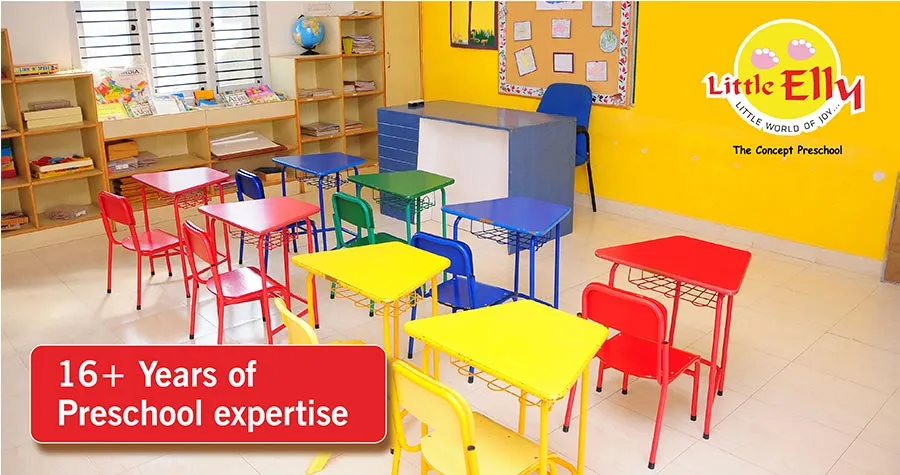
| Equipment Needs | Classroom furniture, learning aids, play area installations, safety equipment |
| Staffing Considerations | Qualified early childhood educators, administrative personnel, and support staff |
7. Training and Franchise Support
Franchisor support includes:
- Initial and ongoing educator training programs
- Pre-launch and post-launch operational assistance
- Curriculum deployment support, including H.A.P.P.Y learning framework
- Marketing and admissions support tools
- Vendor sourcing for classroom and infrastructure setup
- Zonal Operations Coordinator for continuous guidance
8. Revenue Model and ROI Factors
Revenue is mainly derived from tuition fees across age groups and programs. Demand is driven by parents seeking structured early learning experiences and premium preschool services. Operational costs include staff salaries, utilities, and supplies. Franchisees typically achieve payback in 1–2 years due to standardized curriculum, brand recognition, and structured enrollment processes.
9. Brand Background and Expansion
| Founded | 2004 |
|---|---|
| Franchising Began | 2008 |
| Franchise Network Size | 100–200 outlets |
| Geographic Presence | Across India, with international locations in Kathmandu (Nepal) and Seattle (USA) |
| Expansion Strategy | Continue national network growth, maintain quality standards, and enhance curriculum offerings with global early education practices |
10. What Makes This Franchise Different
Little Elly integrates academic, artistic, and practical learning in a child-centric environment, combining structured early education with holistic development. Its franchise model emphasizes operational support, curriculum standardization, and scalable center design, allowing consistent learning outcomes across all locations.
Key Advantages
- Strong demand for structured early education programs
- Scalable operations across multiple cities
- Consistent repeat enrollment due to standardized curriculum
- Comprehensive franchisor support in operations and marketing
- Expansion potential both nationally and internationally
11. Who Should Consider This Franchise
- Entrepreneurs seeking early childhood education ventures
- Investors interested in structured, curriculum-driven preschools
- Educators looking to manage or own a preschool
- Individuals aiming for socially impactful and skill-focused business opportunities
13. Similar Franchise Opportunities
- Little Einsteins
- Little Elly International
- Little Elly WonderKids
- Kiddie Cove
- Brainy Cubs
These options provide comparable franchise opportunities in early childhood education with structured curricula, operational support, and growth potential.
Accepting franchise applications in 15 states & UTs
What investment is required for Little Elly franchise?
Investment ranges between INR 10–20 Lakh, including infrastructure setup, educational materials, and initial operations. The franchise fee is INR 3,00,000, with a 15% royalty on gross revenue.
How does the Little Elly franchise operate?
Franchise outlets deliver Toddler to Kindergarten programs using the H.A.P.P.Y curriculum, overseen by trained educators. Franchisees manage operations while following franchisor guidance for quality, marketing, and enrollment.
What space is required for the franchise?
Each center requires 2400–5000 Sq.ft, depending on the location and number of enrolled students, to accommodate classrooms, play areas, and administrative spaces.
How long does it take to recover the investment?
Payback typically occurs within 1–2 years, depending on student enrollment and operational efficiency, leveraging standardized curriculum and franchisor support systems.
How can investors apply for the franchise?
Investors contact the franchisor, complete the application process, receive training and setup guidance, and launch the center with ongoing operational and marketing support. ## 13. Similar Franchise Opportunities
Disclaimer: All scores, rankings, and estimates on ForeFind are independently produced editorial assessments using publicly available data and validated brand-submitted information. They are not verified facts, financial advice, or investment recommendations. Full Disclaimer.
