



Little Buddha International Preschool Franchise
Franchise Quick Facts
| Brand Name | Little Buddha International Preschool |
|---|---|
| Industry | Education |
| Business Category | Preschool & Early Childhood Learning |
| Founded Year | 2020 |
| Franchise Started | 2020 |
| Total Franchise Outlets | 50–100 |
| Estimated Investment | INR 2 Lakh – 5 Lakh |
| Franchise Fee | INR 1,00,000 |
| Royalty Fee | Not specified (typical preschool franchises charge ongoing royalties based on revenue) |
| Space Requirement | 2000 – 4000 Sq.ft |
| Staff Requirement | Trained educators, support staff |
| Expected Payback Period | 1–2 Years |
1. What is Little Buddha International Preschool?
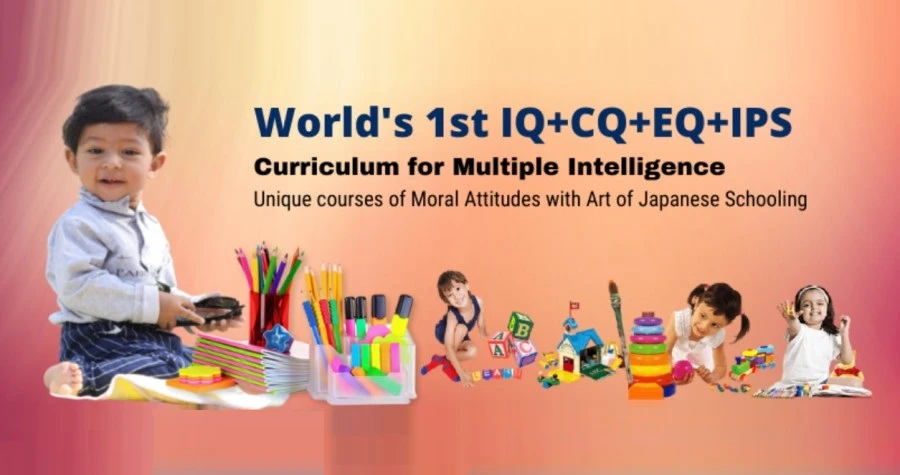
Little Buddha International Preschool is a Japanese-inspired early childhood education franchise that delivers play-based learning programs for children. It operates in the preschool sector, offering structured developmental programs that nurture cognitive, social, emotional, and physical skills for children, while serving families seeking globally-informed, holistic early education.
2. How the Business Works
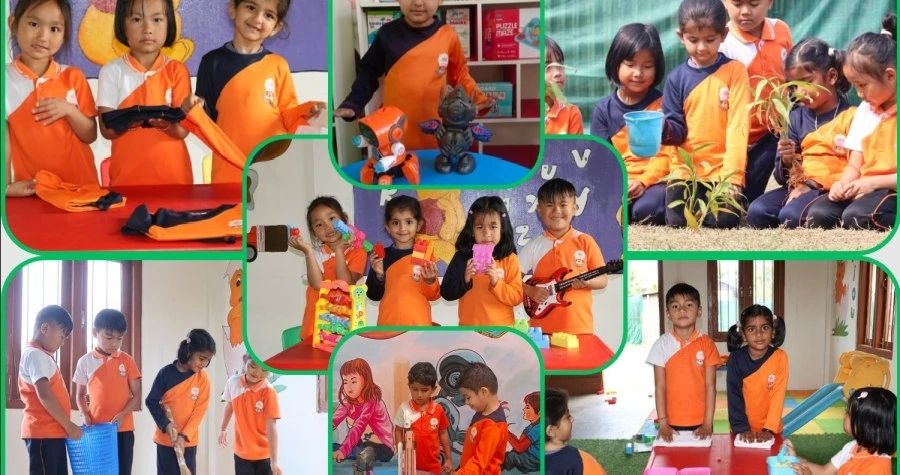
Franchise centers operate as full-service preschools where children attend structured learning programs daily. Children engage in creative, hands-on activities, bilingual communication exercises, and nature-integrated play. Revenue is generated through tuition fees, enrollment charges, and optional supplementary programs. The center operates under a standardized curriculum while local franchise management oversees staff, operations, and parent engagement.
3. Products or Service Categories
Core Programs
- Playgroup to Kindergarten (age-appropriate curricula)
- Creative hands-on learning activities
- Cognitive, emotional, and social development exercises
Supplementary Activities
- Nature-based exploration and eco-conscious programs
- Japanese cultural exposure and bilingual learning support
- Parent-child workshops and interactive sessions
The model emphasizes holistic development combining Japanese educational philosophy with local relevance.
4. How the Franchise Model Works
| Franchise Partner Role | Manage the center, ensure operational compliance, and oversee admissions |
|---|---|
| Responsibilities | Hiring educators, maintaining safety standards, and local marketing |
| Operational Model | Centers follow standardized curriculum and teaching methodologies provided by the franchisor |
| Franchisor Relationship | Provides teacher training, curriculum guidance, branding support, and periodic quality audits |
This model balances franchisee ownership with structured pedagogical and operational systems.
5. Franchise Cost and Investment Overview
| Estimated Investment | INR 2–5 Lakh |
|---|---|
| Franchise Fee | INR 1,00,000 |
| Setup Costs | Classroom furnishings, educational materials, safety infrastructure, and branding |
| Royalty Payments | Not specified; typically includes a percentage of revenue to maintain brand support and curriculum updates |
6. Space and Infrastructure Requirements
| Required Space | 2000–4000 Sq.ft |
|---|---|
| Location Preference | Urban or semi-urban areas accessible to families |
| Infrastructure Needs | Classrooms, activity zones, play areas, outdoor spaces where applicable |
| Staffing | Certified educators, teaching assistants, and administrative personnel |
Centers are designed to provide safe, stimulating, and child-friendly environments.
7. Training and Franchise Support
Franchise partners receive:
- Initial training on Japanese-inspired teaching methodologies
- Curriculum delivery and activity planning guidance
- Branding, marketing, and parent engagement support
- Ongoing professional development for staff
- Periodic audits and operational guidance
This support ensures consistency in educational quality and operational efficiency.
8. Revenue Model and ROI Factors
Revenue is generated primarily through:
- Tuition and enrollment fees
- Supplementary programs and activity charges
- Seasonal camps and workshops
Demand is driven by growing interest in international curriculum-inspired preschools. Repeat enrollment and multi-year programs increase predictability, with an expected payback period of 1–2 years. Operational costs include staff salaries, facility maintenance, and educational materials.
9. Brand History and Expansion
| Founded | 2020 |
|---|---|
| Franchising Started | 2020 |
| Current Network | 50–100 branches across India |
| Expansion Focus | Urban and semi-urban areas with growing demand for innovative early education |
The brand emphasizes scaling while maintaining standardized curriculum quality and educational outcomes.
10. What Makes This Franchise Different
Little Buddha stands out by integrating Japanese early education principles—creativity, independence, and character building—into the Indian preschool context. Its model combines global standards with local culture, providing bilingual and nature-integrated learning, which is uncommon in traditional Indian preschools.
Advantages of the Franchise
- High demand for international curriculum-inspired early education
- Scalable business model with structured curriculum and operational guidelines
- Repeat enrollment through multi-year programs
- Franchisor-led educator training and ongoing support
- Potential for growth in urban and semi-urban markets
11. Who Should Consider This Franchise
- Entrepreneurs interested in early childhood education
- Educators and childcare professionals seeking ownership
- Women and home-based business investors
- Professionals aiming for community-focused ventures
- Investors seeking predictable fee-based income
13. Similar Franchise Opportunities
- EuroKids
- Kidzee
- Hello Kids
- Little Millennium
- Bachpan Play School
These preschool brands offer comparable franchise models focused on early childhood education, structured curriculum delivery, and fee-based revenue streams.
Accepting franchise applications in 36 states & UTs
What investment is required for Little Buddha International Preschool franchise?
The total investment ranges between INR 2–5 Lakh, covering setup, franchise fees, and operational initiation. Franchisees pay INR 1,00,000 upfront, with ongoing operational costs varying by center size and location.
How does the Little Buddha franchise operate?
Centers operate as full-service preschools offering structured, play-based programs based on Japanese methodology. Franchisees manage staff, enroll students, and ensure operational standards, while following a standardized curriculum for consistent learning outcomes.
What space is required to start the franchise?
A minimum of 2000–4000 Sq.ft is required, with classrooms, play areas, and safe activity zones. Locations should be accessible to families in urban or semi-urban areas.
How long does it take to recover the investment?
The expected payback period is approximately 1–2 years, depending on enrollment levels, tuition fees, and operational efficiency.
How can investors apply for the franchise?
Investors can apply by contacting the franchisor to evaluate site feasibility, complete investment formalities, receive training, and implement center setup, followed by continuous operational and academic support. ## 13. Similar Franchise Opportunities
Disclaimer: All scores, rankings, and estimates on ForeFind are independently produced editorial assessments using publicly available data and validated brand-submitted information. They are not verified facts, financial advice, or investment recommendations. Full Disclaimer.
