



Khadim Franchise: Store Investment, Margins and Return Timeline in India
About Khadim
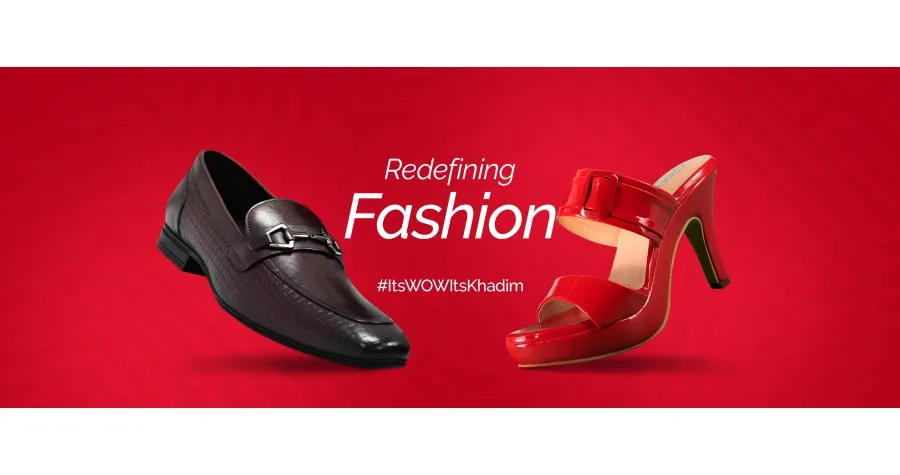
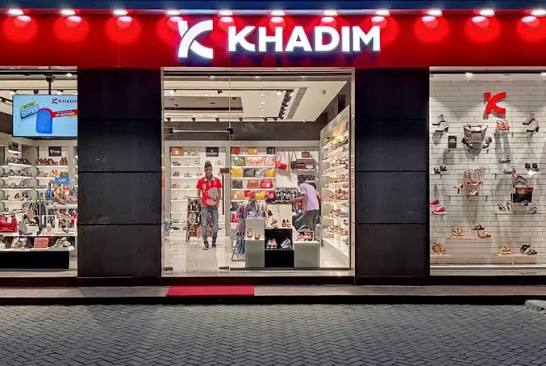
Khadim franchise retails affordable footwear for men, women, and children across formal shoes, casual footwear, sandals, chappals, and school shoes — a product range positioned squarely at the mass-market and mid-premium segments that represent the largest consumer volume in Indian retail. Founded in Kolkata in 1981, the brand has built over four decades of consumer recognition across Eastern India and is extending its national network through a franchise model that has added 25 new outlets per year on average. With more than 800 stores across India, the Khadim network represents one of the larger organized footwear franchise systems in the country, and the scale of that network is itself a commercial confidence signal: consumer demand for the product at the price points this brand occupies is established and consistent across a wide range of Indian markets.
The Margin and Inventory Model
Footwear retail franchises at the mass-market and mid-premium price positioning typically operate on gross margins of 35 to 45 percent of the retail selling price, with the specific margin level influenced by the product mix — entry-price chappals and school shoes carry tighter margins, while mid-premium casual and formal styles generate more favorable spreads. Khadim’s centralized procurement system — a structural feature of operating an 800-plus store network — enables the brand to negotiate supply pricing that individual franchisees could not achieve independently, and this supply chain leverage flows through to the franchisee’s product cost.
Franchisees operate with inventory purchased from Khadim’s centralized supply system rather than sourced independently, which means the franchisee carries inventory risk on the stock they hold. The practical implication is that inventory turnover rate is the key variable in the franchisee’s working capital management: slow-moving styles tie up capital, while high-turnover basics and seasonal bestsellers generate the cash flow that sustains the business. Khadim’s support in seasonal merchandise planning — helping franchisees calibrate their inventory mix to actual market demand rather than category averages — reduces the markdown exposure that typically erodes margin in footwear retail when seasonal stock does not clear at full price.
Store Economics: Revenue Per Square Foot and Monthly Fixed Costs
A 600 to 800 square foot Khadim store carries a specific monthly cost structure that the franchisee’s daily revenue must cover before any profit is realized. Commercial rent — typically the largest fixed cost — varies substantially by location: a high-street unit in a Tier 2 city might cost ₹30,000 to ₹60,000 monthly, while a mall inline unit in a metro can run two to three times that figure. Staff wages for two to six employees, inventory restocking, GST compliance, and applicable royalty payments complete the monthly cost picture.
At the indicative monthly revenue range of ₹1.3 lakh to ₹5.2 lakh, the revenue-per-square-foot calculation for a 600 to 800 square foot store ranges from approximately ₹165 to ₹870 per square foot annually. The higher end of this range is achievable in high-traffic locations with consistent footfall — active high streets, mall corridors, market clusters near schools and offices — where Khadim’s mass-market price positioning drives volume from a broad consumer demographic. The lower end reflects early-stage trading or locations where footfall is moderate. Franchisees who select locations where the target demographic — middle-income families and value-seeking consumers — concentrates naturally generate the daily transaction volumes that make the fixed cost structure commercially viable.
The Investment Breakdown and What It Covers
The INR 10 to 20 lakh investment for a Khadim franchise covers store fitout and fixtures to the brand’s standardized format, opening inventory across the core product range, brand licence and onboarding fees, training for the franchisee and their initial staff, and working capital for the first two to three months of operations. At 600 to 800 square feet, the fitout cost is meaningful — Khadim’s standardized store design ensures consistent brand presentation across the network, and the fixture investment supports the systematic display of footwear across categories and gender segments that drives floor navigation and conversion.
Monthly ongoing costs after opening — rent, staff, inventory replenishment, and GST — are the financial variables the franchisee manages against their daily revenue. The break-even timeline of 9 to 18 months reflects genuine variance in how quickly different franchise locations reach the daily revenue threshold at which monthly income covers monthly costs. Franchisees who select well-trafficked locations with limited organized footwear competition tend toward the shorter end of this range; those in lower-footfall or more competitive markets require more time to build the customer frequency that sustains the operation above break-even.
Seasonality and Demand Peaks in This Category
Footwear retail has a well-defined seasonal pattern in India, and Khadim’s product mix amplifies it. School shoes — a significant category in this brand’s range — drive demand spikes in June and July as the academic year begins, creating predictable volume that a prepared franchisee can capture through adequate inventory depth in the most popular sizes and styles. The Diwali and festive season brings a second demand surge as gifting and personal occasion purchases increase. Wedding season — concentrated in November to December and April to May — adds formal footwear demand from families preparing for ceremonies.
Lean months — typically January to February after the festive season and August to September mid-year — see lower transaction volumes. The franchisee who has managed festive season inventory conservatively and cleared seasonal stock before it ages avoids the markdown pressure that characterizes poorly planned footwear retail operations. Khadim’s seasonal merchandise planning support helps franchisees navigate this cycle, but the franchisee’s own attention to stock age and turnover rate is the operational discipline that determines whether seasonal inventory positions generate revenue or erode margin.
Online Competition and the Omnichannel Reality
Mass-market footwear retail at Khadim’s price positioning has a specific relationship with e-commerce: the consumer who is buying a ₹300 to ₹800 pair of chappals or a ₹500 to ₹1,200 pair of school shoes in a Tier 2 city is not typically ordering footwear online and waiting for delivery. This consumer wants to try the fit before purchasing — particularly for children’s school shoes where sizing accuracy matters — and wants immediate possession rather than a delivery window. These purchase behaviors, which are particularly pronounced in the mass-market segment and in smaller cities, structurally protect physical footwear retail at Khadim’s price positioning from the online displacement that affects premium and fashion footwear more acutely.
Khadim’s own digital presence supports the franchise by providing brand awareness and product visibility that drives in-store visits rather than online purchases — the brand’s consumer recognition built over four decades of retail presence means the Khadim name on a store front converts passersby into browsers and browsers into buyers at rates that a new or unknown brand cannot achieve.
Who This Retail Investment Suits
Experienced retail professionals who understand the relationship between location, footfall, and daily transaction volume are the investors who consistently generate strong Khadim franchise performance. Small retailers upgrading from independent footwear operations to a branded model benefit from the supply chain, training, and merchandise planning infrastructure that Khadim provides, which removes the operational challenges they have previously managed without support. The investor who combines retail floor management experience with genuine attention to daily operations — monitoring staff performance, managing stock turns, ensuring the floor is consistently well-presented — builds same-store sales growth that passive investors cannot achieve, because footwear retail at the mass-market tier is a volume business where operational execution on the floor determines the outcome more than any other variable.
Accepting franchise applications in 34 states & UTs


How much does it cost to open a Khadim franchise store?
The total investment for a Khadim franchise falls within the INR 10 to 20 lakh range, covering store fitout and fixtures for a 600 to 800 square foot space, opening inventory across the core footwear range, brand licence and onboarding, training, and initial working capital. The specific investment within this range depends on the store location and local construction costs. Full investment details, including any ongoing royalty or support fee structure, are provided during the franchise evaluation process.
What is the expected monthly revenue from a Khadim store?
The indicative monthly revenue range for an established Khadim franchise is ₹1.3 lakh to ₹5.2 lakh. The lower end reflects a store in an early-stage trading period or a moderate-footfall location; the upper end reflects a high-traffic outlet with consistent daily transaction volume serving a broad consumer demographic. Location selection is the primary variable driving where in this range a specific franchise performs — franchisees who prioritize consumer footfall density over rental cost minimization in their location decision consistently generate stronger revenue outcomes.
Does Khadim provide inventory on credit or consignment to franchisees?
Inventory terms — including payment structure, credit provisions, and restocking arrangements — are confirmed during the franchise agreement process. Khadim's centralized procurement system provides franchisees with access to the brand's full product range, and inventory is supplied through the brand's established supply chain. Franchisees should clarify payment terms, minimum order quantities, and any return policy for slow-moving inventory during their due diligence conversations to plan their working capital requirements accurately.
What is the Khadim franchise territory and exclusivity policy?
Territory provisions, including any exclusivity rights within a defined geographic area, are established during the franchise agreement. With over 800 stores across India and 25 new locations added annually, the network is dense in some markets and still expanding in others. Franchisees evaluating specific city or location opportunities should discuss territory terms directly with Khadim to understand current network coverage in their target area and the exclusivity provisions applicable to their proposed location.
How many Khadim stores are currently operating in India?
Khadim operates more than 800 stores across India, making it one of the larger organized footwear retail networks in the country. This scale provides franchisees with the operational benefits of a large network — centralized procurement pricing power, established supply chain infrastructure, and national brand recognition — while the brand's continued expansion at 25-plus new units annually confirms that franchiseable territory remains available in markets where the network is still building its presence.
Disclaimer: All scores, rankings, and estimates on ForeFind are independently produced editorial assessments using publicly available data and validated brand-submitted information. They are not verified facts, financial advice, or investment recommendations. Full Disclaimer.
