



Jawed Habib Hair And Beauty Franchise
Franchise Quick Facts
| Brand Name | Jawed Habib Hair & Beauty |
|---|---|
| Industry / Business Category | Beauty Salon / Hair and Beauty Services |
| Founded Year | 2006 |
| Franchise Started Year | 2009 |
| Total Franchise Outlets | 500–1000 |
| Estimated Investment | INR 30 Lakh – 50 Lakh |
| Franchise Fee | INR 750,000 |
| Royalty Fee | 15% |
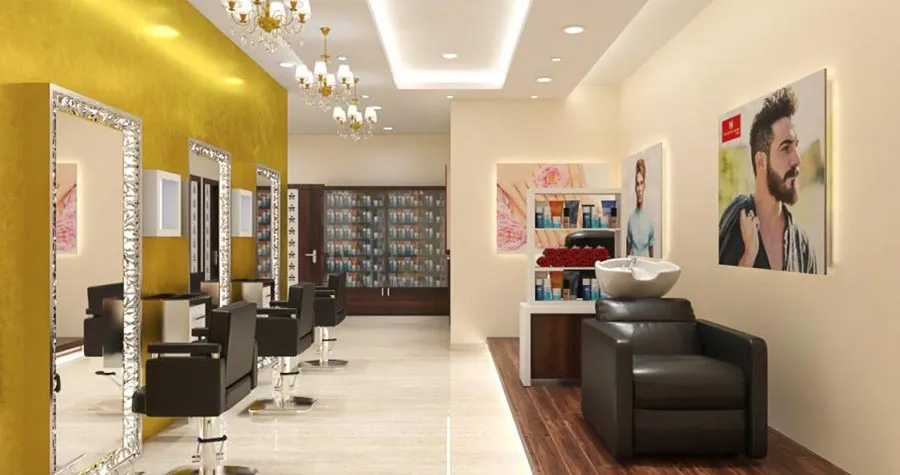
| Space Requirement | 500–1,500 Sq.ft |
| Staff Requirement | 8–12 professionals per outlet |
| Expected Payback Period | 2–3 Years |
1. What is Jawed Habib Hair & Beauty?
Jawed Habib Hair & Beauty is a professional salon chain operating in India’s hair and beauty industry. It provides a full range of hair care, beauty treatments, make-up services, and nail care. The franchise primarily serves urban and semi-urban customers seeking professional, high-quality salon experiences. It falls under the broader beauty and personal care services category.
2. How the Business Works
Customers visit franchise outlets for hair styling, beauty treatments, and related services. Appointments can be walk-in or scheduled online. Each salon maintains a standard service workflow, including consultation, treatment, and post-service care. Revenue is generated from service fees across haircuts, styling, beauty treatments, and product sales. Centralized product supply ensures consistent quality.
3. Products or Services Offered
| Hair Services | Cutting, styling, coloring, and treatments |
|---|---|
| Beauty Services | Facial treatments, skincare, and makeup |
| Nail Services | Manicure, pedicure, and nail art |
| Professional Hair Products | Branded shampoos, conditioners, and styling products |
| Specialized Packages | Bridal and event-focused styling packages |
This comprehensive service portfolio allows franchisees to address diverse customer needs and encourage repeat visits.
4. How the Franchise Model Works
Franchisees operate salons under a Franchise Owned & Franchise Operated (FOFO) model. They manage day-to-day operations, client engagement, and local marketing. The franchisor provides trained faculty, operational guidelines, product supply, and ongoing business support. Franchisees receive guidance in site selection, interior design, and staff recruitment to ensure consistent brand standards.
5. Franchise Cost and Investment Overview
| Estimated Investment | INR 30 Lakh – 50 Lakh |
|---|---|
| Franchise/Brand Fee | INR 750,000 |
| Royalty Fee | 15% of revenue |
| Setup Costs Include | Salon interior setup, equipment, staff recruitment, initial inventory, and local marketing initiatives |
The investment covers operational readiness, training, and marketing support to establish a profitable salon.
6. Space and Setup Requirements
| Space Requirement | 500–1,500 Sq.ft |
|---|---|
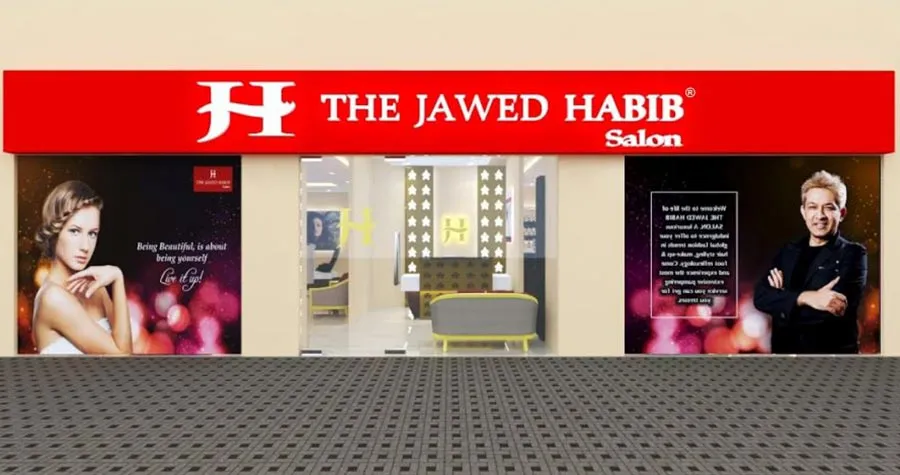
| Location Preferences | High foot traffic areas such as malls, commercial streets, or urban residential zones |
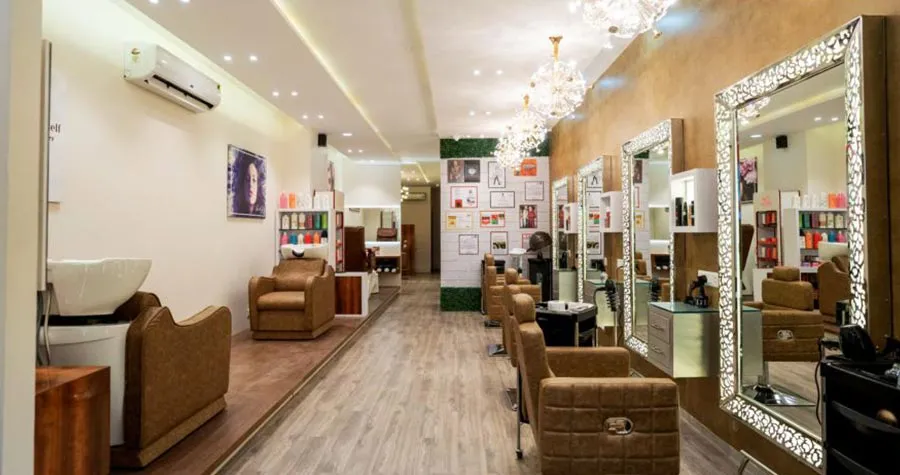
| Equipment Needs | Professional salon chairs, hair styling tools, treatment stations, and POS systems |
| Staffing Requirements | 8–12 trained professionals per outlet; staff training provided by Jawed Habib Academy |
Proper location and infrastructure are essential for attracting clientele and delivering high-quality services.
7. Training and Franchise Support
Franchisees benefit from:
| Induction Training | Salon management, customer service, and operational efficiency |
|---|---|
| Site Selection & Interior Design Guidance | Support in creating appealing salon environments |
| Marketing & Promotions | Local campaigns leveraging brand recognition |
| Staff Recruitment & Training | Assistance in hiring and ongoing skill development |
| Operational Guidance | Daily management, inventory, customer care, and compliance support |
| Product Supply | Access to high-quality consumables and professional hair products |
This structured support reduces operational risk and ensures uniform service standards.
8. Revenue Model and ROI Factors
Revenue is generated from:
- Service fees for haircuts, styling, and beauty treatments
- Specialized packages for events and bridal services
- Sale of branded hair and beauty products
Repeat visits, upselling treatments, and product sales drive profitability. ROI is influenced by location, service uptake, and local demand for salon services, with a payback period of 2–3 years.
9. Brand History and Expansion
Founded in 2006, Jawed Habib Hair & Beauty launched franchising in 2009. The brand now operates 500–1000 outlets across India. Expansion targets urban and semi-urban centers, leveraging brand recognition to capture growing consumer demand for professional beauty services. The network emphasizes standardized training, high-quality products, and operational consistency.
10. Key Advantages of the Franchise
- Established brand recognition and customer trust
- Low initial investment relative to potential returns in the salon industry
- Comprehensive 360-degree operational and marketing support
- Diverse service offerings catering to multiple customer needs
- Access to trained staff through Jawed Habib Academy
11. Who Should Consider This Franchise
- Entrepreneurs seeking a presence in the beauty and personal care sector
- Individuals with retail or service management experience
- Investors looking for scalable service-based businesses
- Franchisees interested in operating professionally managed salons with brand backing
Similar Franchise Opportunities
- Naturals Salon & Spa – Pan-India beauty salon chain
- VLCC Salon & Wellness – Wellness and beauty services across multiple cities
- BBlunt Salon – Professional hair and beauty services with urban presence
- Green Trends Hair & Style – Affordable hair and beauty franchise network
- Jawed Habib Hair & Beauty Academy – Integrated training-focused salon operations
This franchise model combines brand equity, standardized training, and operational support, offering a scalable opportunity in India’s growing salon industry.
Accepting franchise applications in 34 states & UTs
How much space does a JAWED HABIB HAIR AND BEAUTY LIMITED franchise centre require?
The format operates from 500 to 1,500 square feet, with the lower end supporting a focused service menu across three to four workstations and the upper end accommodating a fuller treatment range with additional skin or beauty service areas. Most franchisees in residential high-street locations find that 700 to 1,000 square feet provides the right balance between service capacity, client comfort, and the fixed cost obligations that a smaller space requires less capital to cover in the break-even period.
What equipment and fit-out does JAWED HABIB HAIR AND BEAUTY LIMITED provide as part of the franchise?
The franchisor specifies the interior design standards, equipment list, and fit-out requirements that ensure consistency across the network. This covers styling stations, wash units, skin and beauty treatment equipment, and retail display infrastructure. Equipment is procured through approved vendors, which standardises quality and typically delivers better pricing than independent sourcing for a single outlet. The fit-out cost is incorporated within the overall investment range, and the brand's specification reflects the mid-to-premium positioning the price point requires to justify.
What training does JAWED HABIB HAIR AND BEAUTY LIMITED provide for franchisees and their staff?
Training covers both technical service delivery — hair cutting, colouring, treatment application, skin and beauty protocols — and operational management, including appointment scheduling, client communication, retail integration, and daily financial reconciliation. The training programme benefits from twenty-three years of refinement across a network of five hundred-plus locations, which means the curriculum addresses the failure modes and operational challenges that are actually encountered rather than the theoretical ones. Initial training is completed before the centre opens, and ongoing skill development and refresher training are provided as the brand evolves its service offering.
Can a JAWED HABIB HAIR AND BEAUTY LIMITED centre be run by a manager without the owner being present daily?
Mature centres with experienced, stable teams can sustain reduced owner involvement in their third or fourth year of operation, and some high-performing franchisees do reach this model. In the first two years, owner presence during peak hours is closely correlated with service quality, staff performance, and client retention. The break-even timeline of nine to eighteen months is partly determined by how quickly the franchisee builds a reliable team and a loyal client base, both of which benefit from direct owner involvement during the establishment period. Transitioning to delegated management before these foundations are stable typically extends the break-even timeline and reduces the revenue ceiling the centre achieves.
How does JAWED HABIB HAIR AND BEAUTY LIMITED support franchisees with local marketing and client acquisition?
The franchisor provides national-level brand building and promotional campaigns that generate awareness across the network, marketing materials and templates for local adaptation, and pre-opening promotional support designed to generate initial footfall. The Jawed Habib name itself carries a level of consumer recognition that reduces the marketing spend required to establish a new centre compared to an unknown brand. Beyond the opening period, local marketing execution — neighbourhood promotions, social media management, targeted client communication — is the franchisee's responsibility and the area where operational engagement produces the most direct return. In a residential high-street location, the brand's national recognition opens the door; the franchisee's local relationships and service quality are what determine whether clients stay.
Disclaimer: All scores, rankings, and estimates on ForeFind are independently produced editorial assessments using publicly available data and validated brand-submitted information. They are not verified facts, financial advice, or investment recommendations. Full Disclaimer.
