


Huk Natural Pvt. Ltd Franchise: Store Operations, Daily Management and What Owning This Business Looks Like
Operating since 2006 with a network of 50 to 100 franchise units, the Huk Natural Pvt. Ltd franchise has built its operational model around a focused skincare product range that emphasises ingredient purity, extended shelf life, and consistent efficacy. For someone evaluating whether to run a Huk Natural store, the practical questions matter as much as the financial ones: what does the daily rhythm look like, how is the product managed on the floor, and what does the brand do to make the franchisee’s job easier?
What Huk Natural Pvt. Ltd Sells and Who Buys It
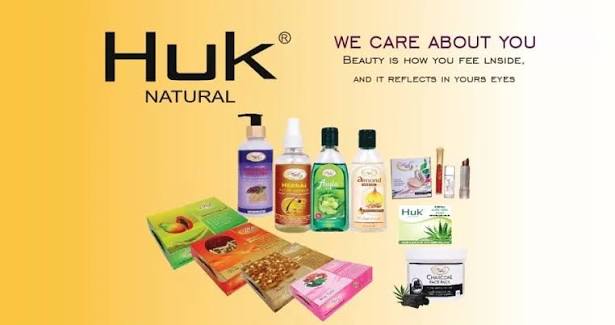
Huk Natural’s product range centres on skincare — facial cleansers, skin treatments, and personal care formulations positioned around natural composition and clean ingredient lists. The brand does not attempt to compete across the full cosmetics spectrum; its focus on skincare gives it a defined consumer: someone actively looking for effective, ingredient-aware alternatives to mass-market chemical-heavy products, without paying premium prices for a prestige brand name.
That consumer profile spans a broad demographic range in India — health-aware urban women across age groups, younger consumers building skincare routines for the first time, and families where the primary household buyer has shifted away from generic personal care. Repeat purchase in skincare is structurally reliable: cleansers, moisturisers, and treatment products deplete on weekly or monthly cycles, which means a customer who adopts a Huk Natural product into their routine comes back without needing to be re-sold. The franchisee’s job in this category is less about generating new customers at volume and more about converting first-time buyers into consistent, returning ones.
What Happens in a Huk Natural Pvt. Ltd Store Every Day
The opening sequence in a Huk Natural store is methodical rather than elaborate. Testers and product displays are checked and refreshed, the POS system is verified, and any low-stock items flagged from the previous day are added to a reorder list before the first customer arrives. In a brand with a focused skincare range — rather than the sprawling multi-category inventory of a general beauty store — the daily stock check is manageable with a small team.
During trading hours, customer interaction drives the operational tempo. Skincare is a consultative category: customers arrive with specific concerns — dryness, pigmentation, acne — and the staff member who can map a product to a concern accurately converts more sales than one who simply directs the customer to the right shelf. The franchisee’s direct involvement during peak hours, particularly in the early months of operation, is valuable for exactly this reason — observing which product questions repeat tells the franchisee which gaps in staff knowledge to address and which products deserve more prominent display positioning. End-of-day reconciliation covers POS settlement, cash float verification, and a brief review of the day’s fast movers versus slow-movers before the store closes.
Merchandise Planning, Display and Visual Standards
Skincare retail rewards display clarity over display volume. A Huk Natural store’s visual standard is built around organising the range by skin concern or product type — cleansers grouped together, treatments separately, daily moisturisers accessible at eye level — so that a first-time visitor can navigate independently without requiring staff assistance at every step. Huk Natural provides display guidance and planogram standards that the franchisee is responsible for maintaining consistently.
New product introductions follow development cycles rather than rapid seasonal turnover, which is typical for a manufacturer-direct skincare brand. When a new formulation or product extension arrives, the franchisee needs to integrate it into the existing display layout without displacing core products from their optimised positions. Slow-moving inventory in this category is addressed through repositioning before any pricing action — moving a product from a secondary to a primary position, pairing it with a faster-moving item in a display bundle, or featuring it in staff recommendations during consultative interactions can recover velocity without the brand perception cost of visible markdowns.
Staff Requirements and the Hiring Reality
Two to six staff covers the operating range, but the effective number for day-to-day floor coverage in a skincare-focused store is closer to two or three — one person handling customer consultations and floor display, one managing billing and stock administration, with additional headcount added as footfall warrants. The hiring challenge in Tier 2 cities is less about finding people willing to work retail hours and more about finding people who can speak with any authority about skincare ingredients and product benefits.
Huk Natural’s emphasis on natural composition and ingredient transparency means staff who can articulate why that positioning matters — even at a basic level — will consistently outperform staff who treat the product as interchangeable with any other skincare line. Franchisees who invest early in structured product knowledge sessions, using materials from the brand combined with their own product familiarity, build teams that convert at higher rates than those who hire and place staff on the floor without preparation. Retention in local retail markets is improved by consistent scheduling, a clear commission or incentive structure tied to monthly sales, and a working environment where staff genuinely engage with the product they are selling.
Supply Chain, Reordering and Inventory Management
As a manufacturer-direct brand, Huk Natural controls its own supply chain rather than routing through third-party distributors — an arrangement that gives franchisees access to product at manufacturer pricing and reduces the intermediary delays that affect multi-brand beauty retail. Orders are placed directly with the brand, with lead times that vary based on the franchisee’s proximity to the manufacturing and dispatch infrastructure.
The disciplined approach to reordering in this model is a rolling minimum: franchisees track which SKUs are moving fastest and place orders before those items reach zero rather than after. A skincare product that sells out before the next delivery creates a specific kind of customer loss — a consumer who is mid-routine and finds the product unavailable is more likely to try a competitor’s alternative than to wait for restocking. Building a small buffer on the five to ten fastest-moving products is the practical solution, and it requires only modest additional working capital given the low price points involved across most of Huk Natural’s core range.
Brand Support: Marketing, Promotions and National Campaigns
Huk Natural provides field assistance, marketing support, and advertising materials to franchisees as part of its operating model. At the store level, this translates to brand assets and campaign materials that the franchisee can deploy locally — digital visuals, product launch communications, and promotional templates that do not require the franchisee to build creative from scratch. The brand’s 19 years of franchising experience means the support infrastructure for new franchisees is grounded in operational reality rather than theoretical frameworks.
Local activation remains the franchisee’s responsibility. In a category where personal recommendation and community trust carry significant purchase influence — particularly among the homemaker and family-buyer demographic that Huk Natural targets — neighbourhood-level marketing activity can be as effective as formal advertising spend. Consistent social media presence, local influencer engagement, and in-store product demonstration events during the Diwali and wedding season windows are examples of low-cost, high-return local marketing that franchisees across the network have found effective.
Who Runs a Huk Natural Pvt. Ltd Store Successfully
The Huk Natural franchise is calibrated for owners who treat the business as an active commitment rather than a managed asset. Franchisees who are personally present during peak trading hours — weekends, evenings in high-street locations, and festive season days — build customer relationships that part-time or absentee operators cannot replicate. Understanding the specific skincare concerns and preferences of the local consumer well enough to make confident product recommendations is a skill that develops through direct floor time, not through reviewing weekly sales reports. Investors who hand daily operations entirely to hired staff from the opening week consistently find their revenue growth plateaus early, because the customer relationship and operational discipline that generate repeat business require an owner’s sustained attention to establish.
Accepting franchise applications in 32 states & UTs
What space is required for a Huk Natural Pvt. Ltd franchise store?
The Huk Natural franchise model does not specify a fixed minimum retail footprint, which gives franchisees flexibility in selecting premises appropriate to their city and location type. A focused skincare range does not require the floor area of a multi-category beauty store — a compact, well-organised retail space in a mall or high-street setting is sufficient to display the core product range with tester access and a functional consultation area. Franchisees should confirm the specific display and fixture requirements with Huk Natural during the setup process.
How long does the setup process take for a Huk Natural Pvt. Ltd store?
Setup timelines depend on the condition of the premises at lease entry and the speed of trade licence processing in the relevant municipality. For a space that requires only fit-out, fixture installation, and initial stock delivery, franchisees can typically open within four to six weeks of confirming the location. Cities with slower regulatory approval processes may require additional buffer time for licence clearance before trading commences.
What product training and retail operations training does Huk Natural Pvt. Ltd provide?
Huk Natural provides product knowledge training covering the brand's skincare range, ingredient positioning, and the skin concern mapping that allows staff to make confident customer recommendations. Retail operations training addresses display standards, stock management, and billing procedures. Field assistance from the brand is available in the early weeks of trading, which gives new franchisees access to direct operational guidance rather than having to work through challenges independently.
Can a Huk Natural Pvt. Ltd store be run semi-absentee with a store manager in place?
A store manager can handle routine floor operations in a Huk Natural store, but franchisee involvement — particularly in the first six to twelve months — materially improves the quality of customer interaction, the speed of team development, and the accuracy of early inventory decisions. A semi-absentee model becomes more viable once the franchisee has established the store's operating rhythms, trained a confident team, and built a clear understanding of which products and customer segments drive the store's performance in their specific location.
How does Huk Natural Pvt. Ltd support franchisees during festive season demand peaks?
Huk Natural's marketing support structure includes promotional campaign materials and advertising assistance that franchisees activate during high-demand periods. The festive season — particularly Diwali and the pre-wedding shopping window from October through January — is when skincare gifting purchases elevate both footfall and average basket size. Franchisees who communicate advance inventory requirements to the brand ahead of peak periods, and who activate in-store gifting displays and local promotional activity during these windows, are better positioned to capitalise on seasonal demand than those who manage peak periods reactively.
Disclaimer: All scores, rankings, and estimates on ForeFind are independently produced editorial assessments using publicly available data and validated brand-submitted information. They are not verified facts, financial advice, or investment recommendations. Full Disclaimer.
