



Hiking India Franchise: Investment, Revenue Model and Return Potential in India’s Travel and Hospitality Sector
About Hiking India
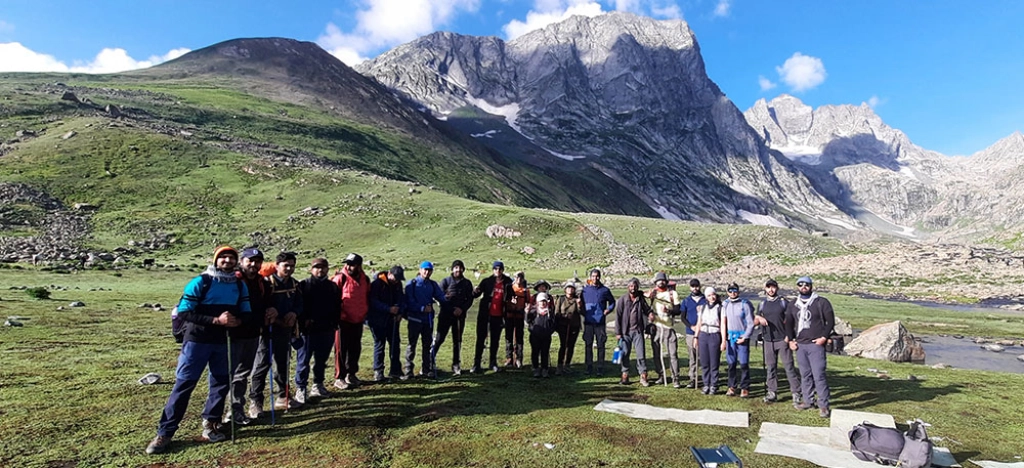
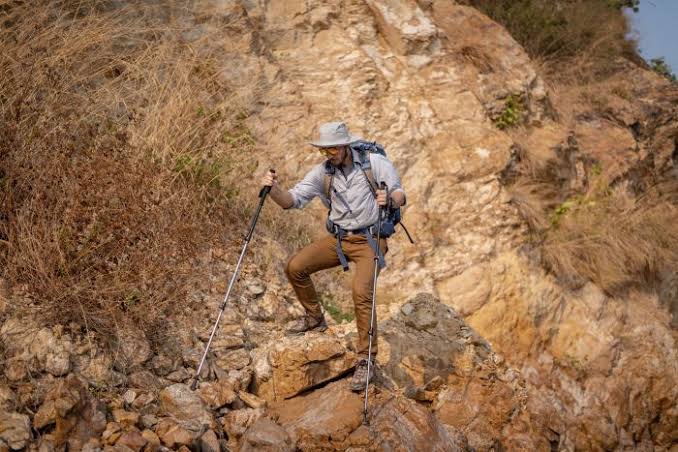
Hiking India is an adventure trekking and mountaineering franchise based in Kullu, Himachal Pradesh, offering guided trekking expeditions, mountaineering experiences, and camping programmes across the Indian Himalayas and in several other states including Uttarakhand, Sikkim, Odisha, Tamil Nadu, Kerala, and Maharashtra. The franchise serves individual travellers and groups seeking structured, guide-led wilderness experiences in terrain that is genuinely inaccessible without local expertise. The team’s composition — local professionals with intimate regional knowledge and extensive high-altitude experience — provides the safety and navigation competency that physically demanding trekking routes require. India’s domestic adventure tourism market is growing at roughly 15–20% annually on the back of rising urban incomes, social media-driven aspirational travel, and the post-pandemic shift toward outdoor and nature-based experiences. Within that growth story, organised trekking with certified guides and documented safety protocols is capturing market share from informal, unregulated alternatives as participants increasingly prioritise accountability alongside adventure.
Revenue Model and Seasonal Distribution
The revenue calendar for a Hiking India franchise follows the trekking season patterns of its operational geography. Himalayan routes — which represent the brand’s operational core — carry two primary booking windows: the post-monsoon window from September through November, when trails are clear and visibility is outstanding, and the pre-monsoon window from March through May. Summer (June through August) brings monsoon conditions that close most high-altitude routes in Himachal Pradesh and Uttarakhand, creating a genuine low-demand trough at what might otherwise be peak travel season. Winter months (December through February) see limited Himalayan trekking due to snowfall, though some lower-altitude and South Indian routes remain viable.
The brand’s multi-state operational scope — covering routes in Sikkim, Tamil Nadu, Kerala, and Maharashtra alongside the Himalayan states — partially offsets this concentration risk. South Indian trekking peaks in the October through February window that coincides with North India’s shoulder season, providing a geographic diversification that a single-region operation cannot access. Franchisees who actively promote and sell routes across this broader geographic calendar reduce the revenue gap between peak and lean periods more effectively than those focused exclusively on Himalayan itineraries.
Fixed Cost Burden and Operating Leverage
Adventure trekking franchises carry a fixed cost structure that is leaner than a hotel or restaurant but more demanding than a pure services business because of the operational infrastructure required for safe expedition delivery. Monthly fixed costs for a Hiking India franchise include guide wages — the most significant recurring expense, since qualified mountain guides with current safety certifications are skilled professionals who expect year-round employment even when booking volume fluctuates — premises rent for the 200–300 square foot office, communication and digital marketing costs, equipment maintenance and insurance, and any franchise royalty obligations. Guides on seasonal or variable contracts reduce this burden during the off-season, but skilled guides in competitive markets like Kullu and Rishikesh are in genuine demand and franchisees who lay off guides at low-season risk losing them to competitors before the next peak.
The minimum monthly revenue required to cover these fixed costs varies by location but is meaningful relative to the per-participant booking fees that individual trek packages generate. A franchise covering its fixed costs typically needs a combination of regular group bookings at peak season rates and consistent individual participant enrollment — a booking density that requires active marketing and relationship management throughout the year, not just during the months when participants are planning their treks.
Investment Breakdown and What It Covers
The INR 2 lakh to 5 lakh investment for a Hiking India franchise covers the brand licence and franchise onboarding, the setup of a 200–300 square foot operational office at or near the trek departure zone, initial safety equipment procurement (harnesses, ropes, first aid supplies, communication devices), the technology and booking management system, staff training to the brand’s safety and service standards, and — critically — the working capital buffer that covers operating costs through the first lean season. That last allocation deserves particular attention: an adventure tourism franchise that enters its first low-demand period with no working capital reserve is vulnerable to operational disruption that damages client relationships and staff retention simultaneously.
At the lower end of the investment range, setup is lean and suited to a single-route franchise starting with a small guide team. At the upper end, the franchise supports broader route operations, more equipment, and a larger initial staff team capable of handling multiple simultaneous groups. Investors evaluating the investment range should factor in local real estate costs, which vary considerably between a prime Manali tourist strip location and a smaller base camp town, and should confirm with the franchisor exactly what the stated investment covers versus what requires additional outlay.
Corporate and B2B Revenue as a Stability Anchor
Corporate group experiences — team retreats, leadership treks, employee wellness programmes — represent the highest-value booking category in adventure trekking and the one most effective at smoothing seasonal revenue variability. A corporate group of twenty participants booking a three-day trek generates the equivalent of weeks of individual walk-in bookings in a single transaction, and corporate bookings typically plan further in advance than individual travellers, providing the franchisee with forward booking visibility that individual participant flow cannot deliver. Hiking India’s multi-state operational scope supports corporate programming across different seasonal windows, giving franchisees a product range that can be pitched to corporate HR and events teams year-round rather than only during peak trekking months.
Building these corporate relationships requires the franchisee to invest time in direct outreach to HR and L&D teams in companies with outdoor employee engagement budgets — a category that has expanded significantly as corporate wellness spending has increased. The franchisee’s existing corporate contacts and the quality of their first corporate programme delivery determine how quickly this B2B revenue layer builds.
Risk Factors Specific to Travel and Hospitality
Adventure tourism carries risk factors that a financially rigorous investor must assess rather than assume away. Geopolitical events affecting border regions — particularly relevant for any franchise near the Himalayan frontier states — can close trekking corridors with limited notice and no compensation mechanism for franchisees who have pre-sold itineraries into those corridors. Extreme weather events, which have become more frequent and unpredictable in Himalayan terrain, create both safety and commercial risk when expedition-season treks are cancelled mid-season. Fuel price volatility affects transportation costs — a significant line item in remote mountain expedition logistics — with limited ability to pass increases to participants who have already booked at fixed package prices.
Online platform disruption is a manageable rather than existential risk for this category: the individual trek participant increasingly books through aggregators, which compresses margins on commoditised route products but does not displace the direct relationship that group and corporate bookings require. A franchise with a strong direct booking base and corporate relationships is less exposed to platform margin erosion than one dependent entirely on aggregator traffic. The COVID-19 pandemic experience demonstrated the sector’s extreme revenue vulnerability during prolonged travel restrictions — the most severe risk factor for any travel business — which argues strongly for the working capital reserves and diversified route portfolio that reduces single-event exposure.
Who This Investment Suits
The investor who builds a profitable Hiking India franchise combines three characteristics: genuine capital depth to sustain operations through two consecutive lean months without revenue pressure forcing premature operational decisions; an existing network in either the corporate wellness or outdoor education community that provides early B2B booking flow; and personal comfort with the revenue variability that characterises even well-managed adventure tourism businesses. An adventure sports professional with existing guide relationships and local terrain knowledge enters the franchise with the operational credibility that participants evaluate before booking a physically demanding trip in remote terrain — a form of trust capital that no marketing spend can substitute for quickly.
Investors who cannot sustain operations through two consecutive lean months without drawing down their franchise investment consistently exit this sector before reaching the nine-to-eighteen month break-even window, because the combination of guide wages, premises rent, and equipment maintenance creates a fixed cost floor that seasonal booking concentration cannot always cover in a new franchise’s first operating year.
Accepting franchise applications in 35 states & UTs


How much does it cost to open a Hiking India franchise?
The total investment for a Hiking India franchise falls between INR 2 lakh and INR 5 lakh, covering the brand licence, operational office setup in the 200–300 square foot range at or near trek departure points, safety equipment procurement, booking management system access, staff training, and a working capital buffer. The appropriate allocation within that range depends on the franchise's intended operational scale — single-route lean operation at the lower end, multi-route team-supported operation at the upper end. Investors should confirm with the franchisor what each investment level specifically covers and separately budget for the working capital reserve that sustains operations through the first lean season without drawing on the setup investment.
How does Hiking India revenue vary across seasons in India?
Himalayan trekking routes generate peak revenue in the September–November and March–May windows, with the monsoon months of June through August and the deep winter months of December through February representing significantly lower booking volumes for high-altitude itineraries. The franchise's multi-state route portfolio — including South Indian and East Indian options — partially offsets this concentration: routes in Sikkim, Kerala, Tamil Nadu, and Maharashtra carry different optimal season windows that overlap with North India's lean periods. Franchisees who actively manage and promote across this geographic range throughout the year build a more consistent monthly revenue base than those who concentrate entirely on the Himalayan calendar.
What is the minimum monthly revenue needed to cover Hiking India operating costs?
Monthly fixed costs for a Hiking India franchise are anchored by guide wages, premises rent, equipment maintenance, insurance, and digital marketing — a combination that creates a meaningful fixed cost floor even during low booking months. The specific minimum revenue required to cover these costs depends on the franchisee's guide team size, local real estate costs, and equipment scale, and should be modelled explicitly from actual local cost data rather than estimated from category averages. As a planning discipline, franchisees should ensure their working capital buffer covers at least three months of fixed costs independently of revenue, providing the operational runway to reach the peak booking season without financial pressure compromising guide retention or marketing investment.
Does Hiking India support franchisees in building corporate client accounts?
The franchise's multi-state operational scope provides a product range suitable for corporate wellness and team-building programming across different seasonal windows, which is the foundation for a credible corporate sales pitch. The franchisor's operational experience with group expedition delivery provides the safety documentation and programme structure that corporate HR managers require before approving an adventure activity for employees. The franchisee's own corporate network development — direct outreach to HR and L&D teams, presentations at corporate events, and relationship maintenance with previous corporate group participants — is the primary acquisition mechanism for this segment, with the Hiking India brand providing the operational credibility that supports those conversations.
How many Hiking India franchise locations are operating in India?
The Hiking India franchise network currently operates at approximately ten locations, with the brand expanding at under one new outlet per year — a deliberate pace that prioritises operational quality over rapid geographic coverage. This network scale provides prospective franchisees with a direct relationship with the franchisor's founding team and a meaningful share of their operational attention during the establishment phase. Investors should request conversations with existing franchisees in comparable market types — Himalayan gateway towns versus South Indian or East Indian locations — as direct franchisee experience with seasonal revenue management, guide recruitment, and corporate account development is the most reliable performance indicator available for evaluating the Hiking India franchise at this network stage.
Disclaimer: All scores, rankings, and estimates on ForeFind are independently produced editorial assessments using publicly available data and validated brand-submitted information. They are not verified facts, financial advice, or investment recommendations. Full Disclaimer.
