



About Flagship Biotech International Pvt.Ltd.
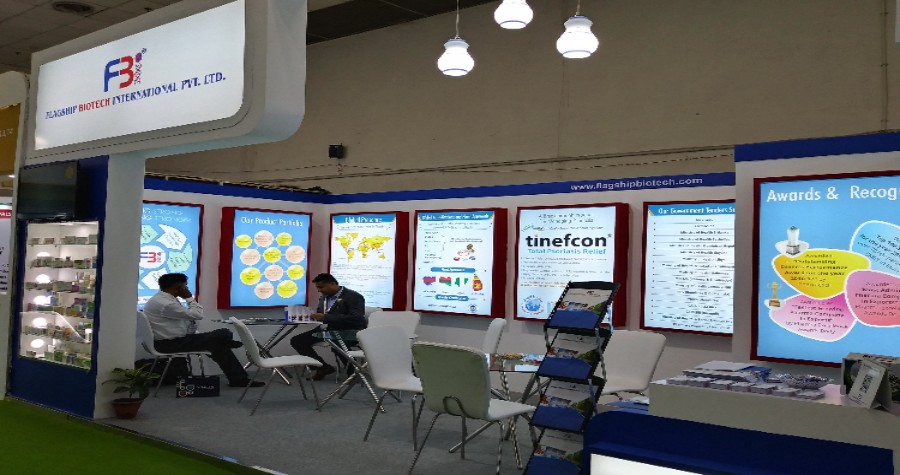
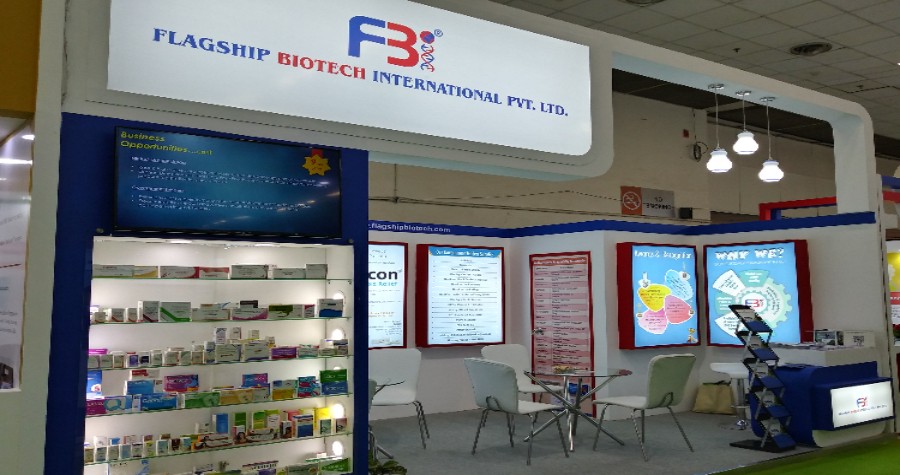
Flagship Biotech International Pvt.Ltd. franchise operates inside one of the more dependable corners of the Indian healthcare economy: the distribution of pharmaceutical and wellness products through a dealership network rather than a single retail format. Since its founding in 2009, the brand has built a presence across 50 to 100 outlets, a number that reflects steady, unspectacular expansion rather than a sudden surge. That pattern matters to an investor reading the numbers closely. Adding close to five new partners a year for sixteen consecutive years is not the profile of a brand riding a marketing wave; it is the profile of a supply chain that keeps finding buyers for what it stocks. The customer base spans both ends of the market — corporate and institutional buyers placing recurring orders, and individual consumers walking in for over-the-counter healthcare products — which gives the business two separate demand engines rather than one.
Revenue Model: Bulk Distribution, Repeat Institutional Orders, and Retail Walk-Ins
Most ventures in this category lean on one of three engines: one-time transactions, recurring contracts, or a blend of stock-and-resell margins. Flagship Biotech sits closer to the second category than most casual observers would assume. Because the operation is structured as B2B-plus-B2C, a meaningful share of monthly turnover comes from institutional and corporate accounts — clinics, smaller pharmacies, and healthcare resellers — that reorder on a cycle rather than appearing once and disappearing. Retail walk-in sales fill the gap and add immediacy, but they are the volatile half of the ledger, since they depend on footfall and local competition. The practical implication for a franchisee is that profitability stabilises once a base of repeat institutional buyers is locked in; chasing new retail customers every month without that base is a slower, costlier path to the same revenue figure.
Investment Breakdown and Ongoing Cost Structure
The entry capital, sitting between roughly ten thousand and fifty thousand rupees, is unusually light for anything carrying the word “pharma,” and that figure deserves a closer look rather than a quick comparison to salon or clinic franchises with six-figure fit-outs. With no minimum area requirement specified, the model is built around inventory and licensing rather than real estate. The opening outlay typically covers the initial product stock, the brand and dealership licence fee, and basic documentation support to get a Drug Licence and GST registration in place. What it does not cover, and what every applicant should budget for separately, is the recurring cost layer: replenishment stock, any logistics or last-mile delivery expense, and the modest staff wages needed to keep a counter or distribution point running. Because the entry ticket is so low, the monthly working-capital cycle — not the one-time investment — is what actually determines whether the unit is comfortable or stretched.
Client Retention and the Economics of Repeat Orders
In a dealership model, the equivalent of “client lifetime value” is the reorder frequency of institutional buyers and the loyalty of regular retail customers to a specific outlet over the cheaper option two streets away. Retention here is driven less by relationship-building in the conventional sense and more by reliability of stock, consistency of pricing, and the franchisee’s ability to fulfil orders without delay. A corporate buyer that places a monthly order will keep doing so as long as supply doesn’t falter; a retail customer returns because the products they need are reliably in stock at a fair price. This makes inventory discipline, arguably more than salesmanship, the real retention lever in this category — a detail easy to underestimate before the business is actually running.
Staffing Costs and the Quality-Margin Tension
With a staffing requirement of just two to eight people, this is not a labour-heavy operation compared to service-led healthcare formats, but the staff who are hired carry outsized responsibility. Someone on the team typically needs to understand basic pharmaceutical handling, billing under a Drug Licence, and GST-compliant invoicing — skills that command a premium over generic retail hires, particularly in smaller cities where qualified pharmacy assistants are in shorter supply. The tension shows up quickly: hiring cheaply to protect margin risks compliance errors and stock mismanagement, while hiring properly eats into the moderate revenue band the category typically produces. Franchisees who treat the first one or two hires as a cost to minimise, rather than a compliance safeguard to invest in, tend to be the ones who run into licensing or inventory problems within the first year.
Regulatory and Compliance Considerations
Two approvals sit at the centre of this business and neither is optional: a valid Drug Licence to handle pharmaceutical stock legally, and GST registration to operate as a recognised commercial entity. Unlike clinic-style healthcare franchises, there is no Clinical Establishment Act registration or AYUSH certification involved here, since the format is distribution and retail rather than treatment delivery. That said, state drug-control authorities do conduct periodic checks on storage conditions, batch documentation, and expiry management, and lapses on any of these fronts can pause operations regardless of how strong sales look on paper. Established players in this tier generally assist new partners with the documentation process for these licences, though the legal responsibility for maintaining them rests with the franchisee, not the franchisor.
Who This Investment Suits
The brand itself points toward homemakers, students, and salaried professionals looking for a side income, and the semi-absentee operating mode supports that — this is not a venture demanding a franchisee’s full working day. It suits someone with at least a passing comfort around healthcare distribution, or ideally a background as a pharma distributor or healthcare investor, since that experience shortens the learning curve on licensing and stock management considerably. Where people consistently struggle is in underestimating the staff supervision involved: a low headcount of two to eight sounds manageable on paper, but each of those hires touches regulated inventory, and a franchisee who isn’t paying attention to that detail discovers compliance gaps only after they’ve become expensive.
Accepting franchise applications in 31 states & UTs
How much does it cost to open a Flagship Biotech International Pvt.Ltd. franchise?
The investment falls in the INR 10,000 to 50,000 range, covering initial stock, licensing support, and dealership fees, with working-capital needs for restocking sitting outside that figure.
What is the expected monthly revenue from a Flagship Biotech International Pvt.Ltd. centre?
Indicative monthly revenue ranges from roughly INR 0.8 lakh to 3 lakh, with the variance largely explained by the balance between institutional reorders and retail walk-in volume at a given location.
How many clients does a Flagship Biotech International Pvt.Ltd. centre need to reach break-even?
Break-even is estimated between 6 and 12 months, and the timeline depends less on raw client count and more on how quickly a franchisee builds a base of repeat institutional or corporate buyers alongside retail footfall.
What staff qualifications does Flagship Biotech International Pvt.Ltd. require?
Staff need basic familiarity with pharmaceutical handling and GST-compliant billing; a team of two to eight is typical, with at least one person ideally experienced in regulated retail or distribution.
What licenses are required to open a Flagship Biotech International Pvt.Ltd. franchise in India?
A Drug Licence and GST registration are mandatory, and franchisees should expect periodic checks on storage and documentation from state drug-control authorities. For an investor weighing entry points in pharma and healthcare distribution, the Flagship Biotech International Pvt.Ltd. franchise offers a low-capital route into a sector with structural demand, provided the operator respects the licensing and inventory discipline the model actually requires.
Disclaimer: All scores, rankings, and estimates on ForeFind are independently produced editorial assessments using publicly available data and validated brand-submitted information. They are not verified facts, financial advice, or investment recommendations. Full Disclaimer.
