



About ESSBEE THE BOUTIQUE
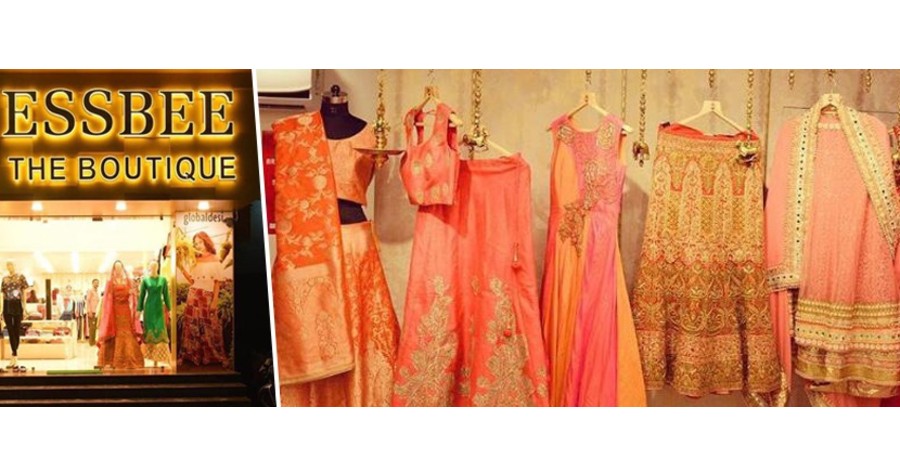
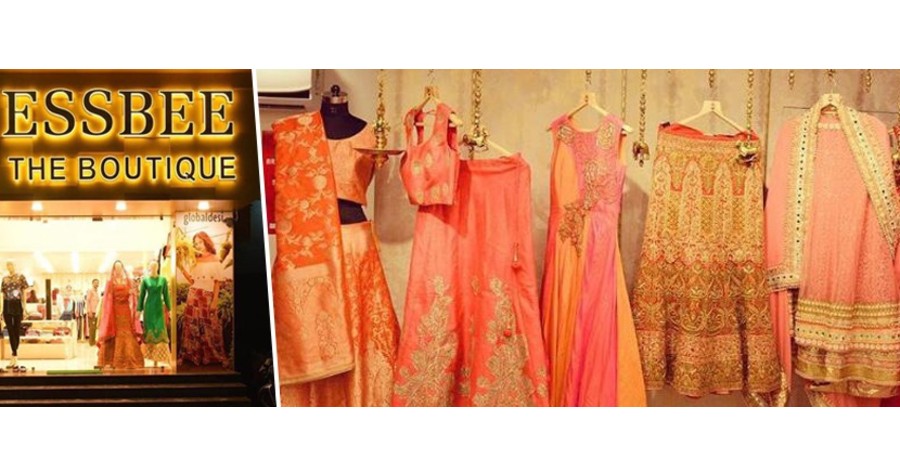
An ESSBEE THE BOUTIQUE franchise operates as a large-format retail store built around curated everyday and lifestyle merchandise, positioned a step above a conventional value supermarket through more selective product sourcing and a more considered in-store experience. At 5,000 to 6,000 sq ft, this is a significantly larger box than most supermarket franchise formats in India, which signals a brand designed for a shopper who wants breadth and a more premium browsing experience in a single visit, rather than a quick top-up trip. With fewer than ten operating units after more than a decade in business, the brand has clearly prioritised getting the format right over rapid rollout — a pace that gives a retail investor a reasonably tested operating model to evaluate, even if the network itself remains compact.
The Margin and Inventory Model
Large-format retail spanning groceries, household goods, and lifestyle merchandise typically operates on blended gross margins in the high-teens to mid-twenties percentage range, with curated and boutique-positioned categories usually sitting at the higher end of that band compared to a purely value-driven supermarket. In an owner-operated structure of this kind, the franchisee generally carries inventory risk directly rather than operating on consignment, which makes the breadth of a 5,000 to 6,000 sq ft assortment a double-edged consideration — more categories mean more opportunity to capture spend, but also more capital tied up in stock at any given time. Markdown and clearance practice in this format tends to follow a seasonal and category-specific logic, where slower-moving lifestyle or seasonal lines are cleared on a scheduled cycle rather than left to accumulate, since holding excess stock across a large floor area carries a real carrying cost that compounds faster than it would in a smaller-format store.
Store Economics: Revenue Per Square Foot and Monthly Fixed Costs
A store of this size needs meaningfully higher absolute daily revenue than a compact convenience or neighbourhood format simply to keep pace with its larger rent and staffing base, even though the revenue-per-square-foot bar in a large-format store is typically lower than in a tightly run small-format outlet, since more floor area is allocated to browsing space and category depth rather than pure shelf density. Monthly fixed costs are dominated by rent on a high street or mall location large enough to support this footprint, wages across a staff count that can run up to twenty-five people, and the 15 percent royalty structure that this brand applies on top of operating costs. Given that combination, the daily sales figure required to comfortably clear fixed costs is substantial in absolute terms, which is precisely why the brand’s own indicated payback period extends toward the upper end of two to three years — a large-format retail business needs sustained footfall and basket size to work through that cost base before it turns genuinely profitable.
The Investment Breakdown and What It Covers
An investment between 50 lakhs and 1 crore for an ESSBEE THE BOUTIQUE franchise needs to stretch across a larger fit-out than most supermarket formats, given the floor area involved, alongside fixtures suited to a more curated retail presentation, a substantial opening inventory load to fill 5,000 to 6,000 sq ft credibly from launch, the brand licence fee, and a working capital buffer for the early operating months. The brand’s stated franchise fee of roughly 2 lakhs sits at the lower end relative to the overall investment size, meaning the bulk of capital deployment goes toward physical buildout and stock rather than the licence itself. Beyond launch, the franchisee carries ongoing monthly costs of rent, staff wages, the 15 percent royalty, and continuous procurement — all of which need to be funded from store cash flow once the initial investment has been deployed, making early-stage cash flow discipline as important as the upfront capital itself.
Seasonality and Demand Peaks in This Category
A large-format store spanning everyday essentials and lifestyle merchandise tends to see moderate but noticeable seasonality, with festive periods and end-of-season sales windows typically driving the sharpest spikes in basket size as customers consolidate gifting, home refresh, and seasonal wardrobe purchases into fewer, larger visits. Franchisees should treat these windows as advance inventory-planning events, increasing stock depth on higher-margin lifestyle categories ahead of the peak rather than reacting once shelves thin out. Lean months are a normal part of this category’s rhythm rather than a warning sign, generally characterised by steady but smaller basket sizes from routine shoppers, and a realistic expectation is two or three standout months a year against a moderate baseline for the rest.
Online Competition and the Omnichannel Reality
A curated, large-format retail experience holds up reasonably well against pure e-commerce because much of its appeal rests on browsing and discovery — the kind of unplanned, exploratory purchasing that an online catalogue struggles to replicate as effectively as a physical floor designed for it. That said, digital catalogue presence or a basic click-and-collect option has become close to a baseline expectation for retail formats at this investment tier, since even a destination shopper increasingly checks availability or pricing online before visiting. The category’s resilience comes less from avoiding online competition entirely and more from offering an in-store experience — depth of assortment, presentation, and discovery-driven browsing — that a delivery-only alternative cannot fully substitute.
Who This Retail Investment Suits
This format suits an investor who can comfortably absorb a longer break-even runway and is genuinely interested in the operational craft of running a large curated retail floor — category mix, seasonal merchandising, and staff training across a sizeable team — rather than someone seeking a quick-turnaround retail investment. Same-store sales growth at this scale tends to come from disciplined category management and an owner who stays close to what is and isn’t moving across a large assortment, since a 5,000 to 6,000 sq ft floor offers many places for underperformance to hide if left unmonitored. Investors who treat a store of this size as a passive asset consistently underperform those who stay operationally engaged, simply because the scale of inventory and staffing involved leaves little room for drift to go unnoticed.
Accepting franchise applications in 34 states & UTs
How much does it cost to open a ESSBEE THE BOUTIQUE franchise store?
The total investment for an ESSBEE THE BOUTIQUE franchise typically falls between 50 lakhs and 1 crore, covering store fit-out across a 5,000 to 6,000 sq ft footprint, opening inventory, brand licensing, and initial working capital.
What is the expected monthly revenue from a ESSBEE THE BOUTIQUE store?
Monthly revenue figures are shared directly during the inquiry process, since actual performance depends heavily on location catchment, local footfall, and category mix within this large-format retail design.
Does ESSBEE THE BOUTIQUE provide inventory on credit or consignment to franchisees?
In this owner-operated retail format, franchisees generally purchase and hold their own inventory rather than operating on consignment, making inventory turnover across a large product assortment a central factor in monthly profitability.
What is the ESSBEE THE BOUTIQUE franchise territory and exclusivity policy?
The brand offers exclusive territorial rights to its unit franchisees, which protects a franchisee's local catchment from being diluted by a second unit opening in close proximity within the same city.
How many ESSBEE THE BOUTIQUE stores are currently operating in India?
ESSBEE THE BOUTIQUE currently operates fewer than ten stores across India, a deliberately measured footprint built over more than a decade that reflects a focus on refining the large-format model before scaling it further.
Disclaimer: All scores, rankings, and estimates on ForeFind are independently produced editorial assessments using publicly available data and validated brand-submitted information. They are not verified facts, financial advice, or investment recommendations. Full Disclaimer.
