


Eider Motors Ltd in India’s Automotive Services Landscape
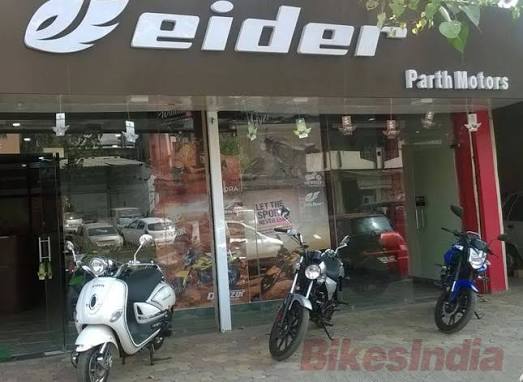
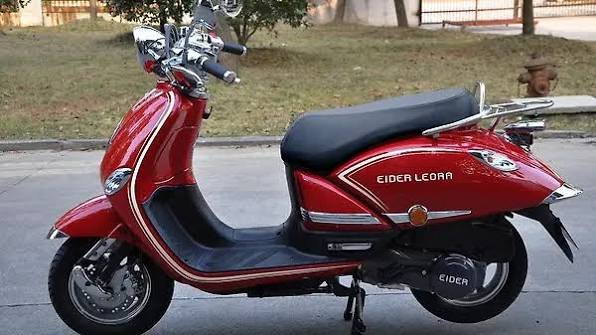
An Eider Motors Ltd franchise operates as a branded motorcycle showroom built around the standard organised dealership format common to two-wheeler retail in India: a sales floor backed by a service bay and spares counter, commonly referred to in the industry as the 3S structure. This format exists because two-wheeler ownership in India does not end at the point of purchase; it generates a multi-year relationship involving periodic servicing, spare parts replacement, and warranty work, and the gap this fills is the absence of organised, manufacturer-backed retail in markets still dominated by standalone dealers and informal mechanics. A showroom under this model sells the vehicle once but earns from the customer relationship for years afterward through its service and parts operation.
India’s Vehicle Population and Why Service Demand Is Growing
Two-wheelers dominate India’s vehicle parc by a wide margin, and that installed base creates a recurring maintenance cycle: routine servicing every few months, periodic part replacement tied to mileage, and warranty-linked check-ups that pull owners back to an authorised outlet rather than a roadside mechanic. As household incomes rise and brand-conscious buying habits spread beyond metro markets, that same shift is now visible in Tier 2 and Tier 3 towns, where customers increasingly prefer a recognisable showroom over an unbranded local garage, particularly for anything involving warranty claims or financing. This migration from unorganised workshops to branded retail is not a temporary trend tied to a festive sales spike; it tracks the broader formalisation of Indian retail and the growing comfort smaller-town buyers have with organised consumer brands.
Why a Eider Motors Ltd Franchise Outperforms an Independent Workshop
An independent garage can fix a motorcycle, but it cannot offer manufacturer authorisation, which is precisely what governs warranty validity, genuine parts sourcing, and access to OEM diagnostic tools calibrated for specific models. A Eider Motors Ltd franchise carries that authorisation directly, which means customers bringing in a vehicle for warranty-period service know the parts fitted are genuine and the work is traceable back to the manufacturer if something goes wrong later. This is the basis on which branded dealerships command a service premium that unbranded competitors simply cannot charge: customers are not paying extra for the repair itself but for the certainty that comes with manufacturer-backed accountability.
Geographic Opportunity: Tier 2 Cities and the Unorganised Market Gap
The strongest white space in Indian two-wheeler retail right now sits in Tier 2 cities and the larger towns feeding into them, where vehicle ownership has grown steadily but organised dealership coverage has not kept pace. In many of these markets, customers still default to unbranded workshops for servicing simply because no authorised alternative exists nearby, not because they prefer it. A franchise entering one of these underserved towns competes less against other branded showrooms and more against the inertia of informal service habits, which is a fundamentally easier competitive position than fighting for share in an already saturated metro market.
EV and New Energy Vehicles: How Eider Motors Ltd Is Positioned
The two-wheeler category is in the early stages of an electric transition, and that shift matters for any showroom built primarily around conventional combustion vehicles. A Eider Motors Ltd franchise built today should be evaluated honestly against this trajectory: a dealership network anchored entirely in conventional vehicle sales and servicing carries medium-term demand risk as electric adoption accelerates, particularly in urban and semi-urban markets where EV two-wheelers are gaining share fastest. Prospective franchisees should ask directly how the brand’s product roadmap and service training plan to accommodate electric models, since a dealership unprepared for that transition risks losing relevance to competitors who adapt earlier.
Competitive Differentiation: Why Customers Choose Eider Motors Ltd
Three factors drive where a two-wheeler owner takes their business: how close the outlet is to home or work, how the pricing compares to informal alternatives, and how much they trust the parts going into their vehicle. A franchise location chosen for genuine catchment density solves the first. Manufacturer-backed pricing and financing tie-ups address the second, since organised dealerships often have access to lending partnerships an independent garage cannot offer. Genuine parts sourced through the brand’s authorised supply chain settle the third, and this is where the structural advantage of being part of a 65-unit network becomes tangible: a standalone garage cannot replicate that same consistency of supply or the manufacturer relationship that backs it.
Who Builds a Profitable Eider Motors Ltd Franchise
Technical familiarity with the automotive trade helps, but it is not the deciding factor in this category; what consistently separates a strong-performing unit from a mediocre one is the franchisee’s relationships with local fleet operators, corporate transport contracts, and financing partners who can route steady volume through the showroom regardless of seasonal retail swings. Site selection matters just as much as capital here, since a 2,500 sq.ft showroom in the wrong catchment, even with full investment behind it, will underperform a smaller location with better footfall and visibility. Investors who treat this as a community-relationship business rather than a pure capital deployment tend to build a more resilient revenue base.
Accepting franchise applications in 33 states & UTs
How does Eider Motors Ltd compare to OEM-authorised service centres in India?
A Eider Motors Ltd franchise operates as an authorised outlet itself, combining vehicle sales with manufacturer-backed servicing and genuine parts supply, placing it in the same organised category as other OEM-authorised dealership networks rather than competing against them as an outsider.
Is a Eider Motors Ltd franchise viable in Tier 2 and Tier 3 Indian cities?
Yes, and arguably more viable there than in saturated metro markets, since these towns often still rely on unbranded workshops, leaving room for an organised showroom to capture demand with comparatively less direct branded competition.
How does Eider Motors Ltd handle the shift toward electric vehicles?
This is a question prospective franchisees should raise directly with the brand, since the broader two-wheeler category is moving toward electric models and a dealership's long-term positioning depends on how well its product and service offering adapts to that shift.
What is the addressable vehicle population in a typical Eider Motors Ltd franchise territory?
This depends on local vehicle density and competitive saturation, but a standalone showroom of this size is typically positioned to serve a catchment large enough to support both new vehicle sales and a recurring base of service and parts customers.
How does Eider Motors Ltd's parts supply chain ensure quality and availability?
As an OEM-authorised outlet, the franchise sources parts through the manufacturer's official supply chain rather than the open aftermarket, which is what allows it to guarantee genuine components for warranty and service work. For an investor weighing organised automotive retail against the unpredictability of an independent workshop, a Eider Motors Ltd franchise offers manufacturer-backed credibility and a recurring service relationship, provided the location is chosen carefully and the brand's electric vehicle roadmap is examined before committing capital.
Disclaimer: All scores, rankings, and estimates on ForeFind are independently produced editorial assessments using publicly available data and validated brand-submitted information. They are not verified facts, financial advice, or investment recommendations. Full Disclaimer.
