


Drifters Tap Station Franchise: Investment, Returns and Profit Model in India
About Drifters Tap Station
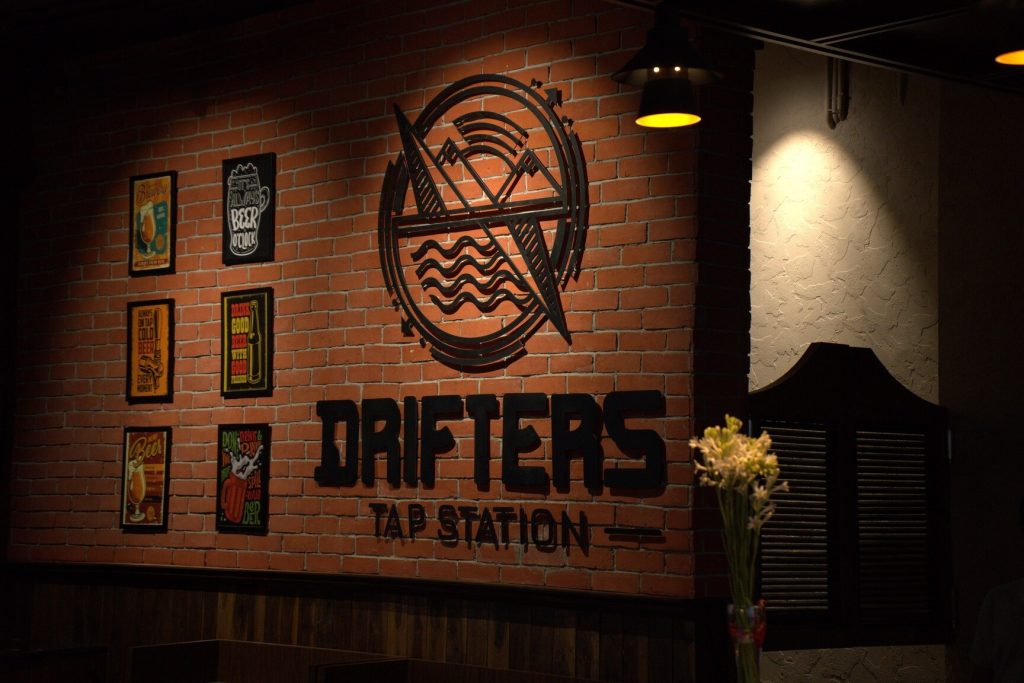
Drifters Tap Station franchise is a craft beer and bar concept built on Eastern European brewing traditions, specifically the Czech handcrafted brewing methodology that emphasizes minimal mechanization and artisanal production processes. The brand serves individual and family consumers through a full-service bar and dining format, targeting the urban premium casual segment where craft beer culture and curated food-and-beverage experiences increasingly define consumer preference. The current network of 10 to 20 locations represents an early-stage franchise system still building its operational footprint, which carries both the risk of limited institutional infrastructure and the commercial upside of available territory in most Indian markets. The fact that the brand has reached and maintained 10-plus operational locations — with the associated regulatory, supply chain, and brand management complexity that a craft beer bar requires — signals that the concept has moved past the single-outlet proof-of-concept phase and into a replicable operational model.
The Revenue Model in Practice
Revenue at a Drifters Tap Station flows primarily through in-venue beverage sales — draught and bottled craft beers, cocktails, and non-alcoholic beverages — alongside food orders from the kitchen. In a full-service bar format of 2,500 to 3,000 square feet, the revenue architecture is materially different from a bakery or QSR franchise: the highest-margin transactions are beverages, specifically craft beer on tap, and the average table spend over a two-to-three-hour visit significantly exceeds the per-cover economics of a typical restaurant format. Catering and private event bookings — birthday celebrations, corporate gatherings, sports screenings — add a third revenue stream that can provide structured advance bookings alongside walk-in patronage. The franchisee controls local event programming, operational staffing quality, and community marketing; the brand system determines the beer recipes, the brand aesthetic, and the brewing methodology that differentiates the product from generic bar formats.
Understanding the Investment: What INR 1 Cr – 2 Cr Actually Buys
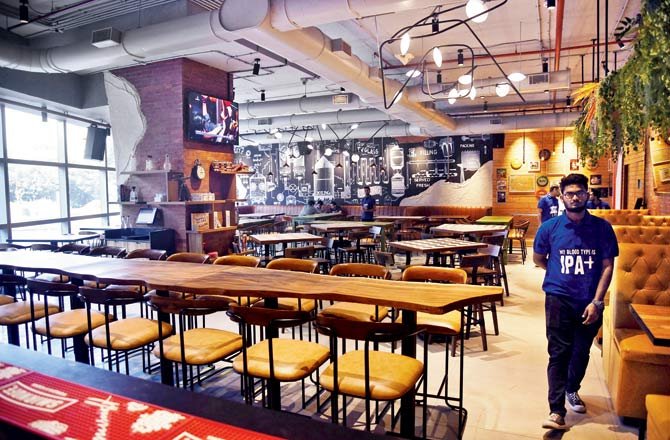
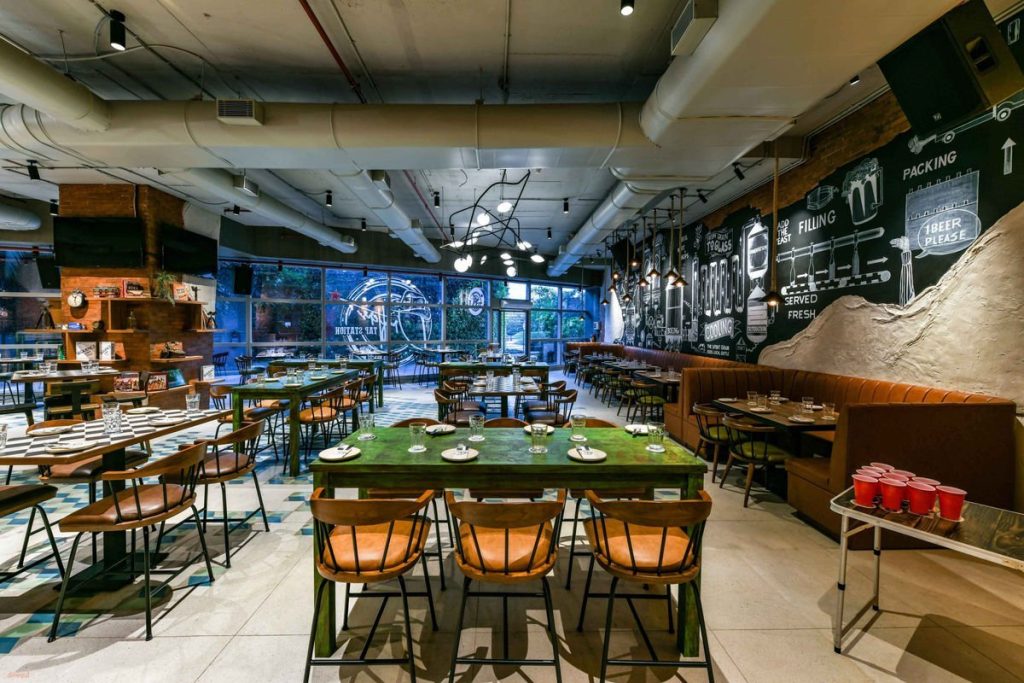
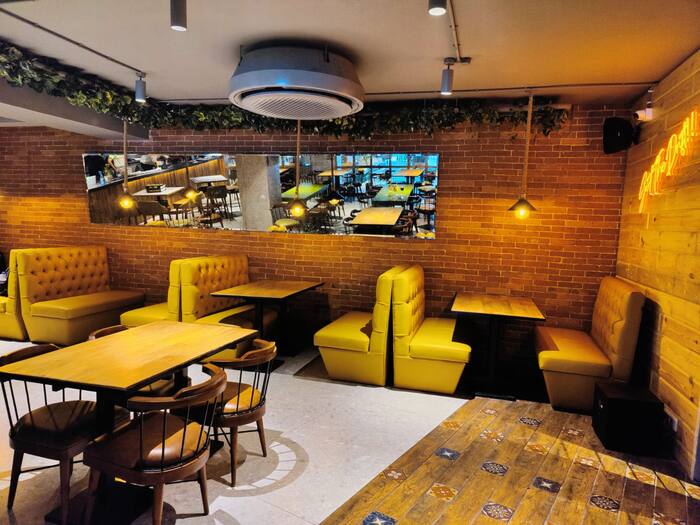
The investment at this level covers the complete fit-out of 2,500 to 3,000 square feet of bar and dining space to the Drifters brand aesthetic, bar equipment including draught beer dispensing infrastructure, kitchen equipment, furniture and fixtures, brand licensing, opening inventory, staff recruitment and training, and working capital for the first six to eight months of operations before revenue stabilizes at full utilization levels. Bar fit-out at this quality level is capital-intensive: the dispensing infrastructure, refrigeration systems, and ambient design that premium craft beer positioning requires consume a significant share of the total investment. Excise license, FSSAI, and Fire NOC applications also carry time and cost implications that are built into the pre-opening budget.
Monthly ongoing costs include commercial rent for a 2,500 to 3,000 square foot high-street or mall premises — the largest single fixed cost and the most location-variable — staff wages for eight to twenty employees across bar, kitchen, service, and management roles, beer and beverage procurement, kitchen raw materials, FSSAI and excise compliance maintenance, and any applicable royalty to the franchisor. The monthly cost floor in a 2,500 square foot urban bar format is high enough that reaching break-even requires consistent high-occupancy operation rather than modest early-stage traffic. This is the mathematical reality of any premium bar investment at this scale.
Break-Even and Return Timeline
The 18 to 36 month break-even range reflects the genuine operational complexity of a premium bar franchise where location quality, brand identity execution, and event programming all determine how quickly the venue builds the loyal patronage base that sustains consistent high-revenue nights. At the shorter end of this range, franchisees typically combine a location with strong evening and weekend footfall from the target demographic — young professionals and socially active adults with premium beverage spending capacity — with active event programming from the first month: quiz nights, sports screenings, craft beer tastings, and private event bookings that fill calendar gaps between organic walk-in patronage.
The 36-month trajectory occurs when location-driven patronage builds slower than projected, when event programming remains underdeveloped, or when the brand’s craft beer identity fails to differentiate sufficiently in markets with established competing bar concepts. The primary variables outside the franchisee’s control are the excise regulatory environment in their state — which affects both the licensing timeline and the beverage pricing structure — and the local discretionary spending patterns that determine how frequently the target demographic visits a premium bar venue. State-level excise policy is particularly important to understand before investment, as regulations vary materially across Indian states in both restrictiveness and stability.
What the Franchisor Provides and What They Do Not
Drifters Tap Station provides franchisees with the brewing methodology and recipe standards that define the brand’s craft beer identity — specifically the Czech-tradition techniques that differentiate Drifters’ product from generic tap beer formats. Brand identity standards, fit-out guidelines, training on beer service and product knowledge, and operational guidance are provided through the franchise relationship. Before opening, the brand supports the setup and brand compliance process; at launch, the franchisee operates with the brand’s product quality standards established through training.
The franchisee’s independent responsibilities are extensive at this format scale: excise license acquisition (the most complex and jurisdiction-specific compliance requirement for any bar franchise), FSSAI and Fire NOC management, lease negotiation for 2,500 to 3,000 square feet of premium commercial space, staff recruitment across eight to twenty positions with the F&B experience the format requires, event programming development that drives occupancy above walk-in levels, local marketing and community presence building, and the vendor relationships for fresh food and beverage supply. A franchise in this category that expects the brand to provide ready-built operational infrastructure beyond the product and brand standards will encounter a significant gap between expectation and commercial reality.
Financial Risk Factors Specific to This Category
Excise license risk is the category-specific financial risk that has no equivalent in food franchise formats: Indian state governments periodically modify alcohol regulations, license fees, and operational restrictions in ways that can materially alter a bar venue’s cost structure or operating hours with limited advance notice. This risk cannot be eliminated; it can be partially mitigated by thorough pre-investment research into the regulatory stability history of the target state and by operating through a structure that allows for regulatory adaptation. Staff turnover at bartender and manager level carries higher commercial impact than in restaurant formats because the craft beer service experience — the product knowledge, the customer engagement style — is partly what the customer is paying for. Food spoilage risk exists in the kitchen component but is not the primary financial risk category in a beverage-led format. Lease renegotiation at renewal is a medium-term risk for a 2,500 to 3,000 square foot premium venue that the initial lease terms should address through defined renewal provisions.
Who This Investment Suits and Who It Does Not
The Drifters Tap Station franchise is suited to HNI investors and business groups with prior F&B operational experience — specifically those who understand the event programming, staff management, and community relationship development that sustains a premium bar venue’s occupancy above the walk-in baseline. The 18 to 36 month break-even timeline requires financial capacity to sustain operations without revenue pressure through a legitimate ramp-up period, which means the investor’s liquid capital position beyond the franchise investment itself is a relevant evaluation criterion. The investor profile that consistently underperforms in premium bar formats is one without prior F&B operational experience who expects the brand identity to drive venue occupancy without the active community building, event curation, and local marketing engagement that turn a well-fitted bar into a destination rather than a space.
Accepting franchise applications in 35 states & UTs
How much does a Drifters Tap Station franchise cost in India?
The total investment for a Drifters Tap Station franchise falls within the INR 1 crore to 2 crore range, covering bar and dining fit-out for 2,500 to 3,000 square feet, brewing and dispensing infrastructure, kitchen equipment, furniture, brand licensing, staff training, opening inventory, and working capital. Pre-opening license costs for excise, FSSAI, and Fire NOC are additional variables that depend on the franchisee's specific city and state. Full investment details are provided during the franchise evaluation process.
What is the expected monthly revenue from a Drifters Tap Station outlet?
Monthly revenue figures for the Drifters Tap Station franchise are available through direct inquiry with the brand. In category terms, a 2,500 to 3,000 square foot premium craft beer bar operating at consistent high occupancy on weekend evenings and supplemented by private event bookings and weekday patronage operates within a revenue range that supports the franchise economics at this investment level. Revenue performance is primarily driven by location quality and event programming intensity rather than by walk-in patronage alone.
Does Drifters Tap Station provide territory exclusivity to franchisees?
Territory exclusivity provisions are confirmed during the franchise agreement process. HNI investors and business groups seeking exclusive territorial rights for a city or region should raise this specifically during the evaluation conversation. Given the current network size of 10 to 20 locations, significant territory is available across most Indian markets, and early franchise entrants have the practical advantage of building local brand recognition before the network places additional outlets in adjacent areas.
What licenses are required to open a Drifters Tap Station franchise?
An excise license is the primary and most complex regulatory requirement for operating a bar and serving alcohol — the specific license type, fee structure, and application process varies by state and requires thorough advance research before investment commitment. FSSAI license applies to the food service component, and a Fire NOC is required for the premises. The timeline for excise license approval varies significantly by state and should be factored into the pre-opening schedule. Franchisees should engage a local regulatory consultant familiar with their specific state's excise framework before initiating the license application process.
Is prior food business experience required to open a Drifters Tap Station franchise?
Prior F&B operational experience is a practical requirement for the Drifters Tap Station franchise, not merely a preference. Managing a 2,500 to 3,000 square foot bar with eight to twenty staff, excise compliance obligations, event programming, and the craft beer service quality the brand represents requires operational competency that an investor without food and beverage management background would need to develop through hired management — an additional cost and reliability risk that experienced F&B operators do not carry. The ideal franchisee profile is an experienced F&B operator who understands bar economics and event-driven hospitality management.
Disclaimer: All scores, rankings, and estimates on ForeFind are independently produced editorial assessments using publicly available data and validated brand-submitted information. They are not verified facts, financial advice, or investment recommendations. Full Disclaimer.
