


Color Bar Franchise: Market Position, Consumer Demand and Competitive Advantage in Indian Retail
Evaluating a Color Bar franchise means positioning capital within one of the most consistently growing segments of Indian consumer retail: colour cosmetics and personal beauty products at a price point that sits above mass-market pharmacy brands but below imported luxury. Colorbar, the brand behind this franchise opportunity, has operated in India since 2004 and today holds a position among the top three cosmetic brands by market presence in the country — a standing built through fifteen years of franchise network development across 100 to 200 stores and an average of ten new locations added annually.
Color Bar’s Position in the Indian Retail Landscape
The brand occupies the aspirational mid-market in Indian beauty retail — the space where a consumer wants quality-validated, well-packaged cosmetics without the price barrier of imported luxury lines. The product range spans face, eye, and lip colour, nail products, skincare essentials, and makeup accessories, which means a Color Bar store is not a single-category destination but a full beauty shopping stop for a consumer building or refreshing her routine. This breadth supports higher average transaction values and gives the franchisee multiple entry points for upselling within a single customer visit.
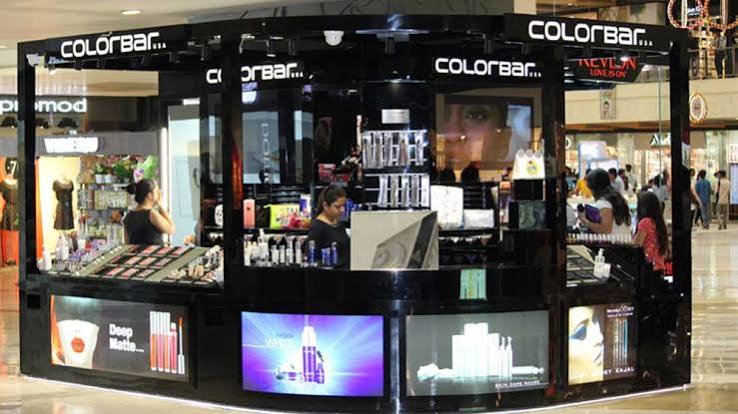
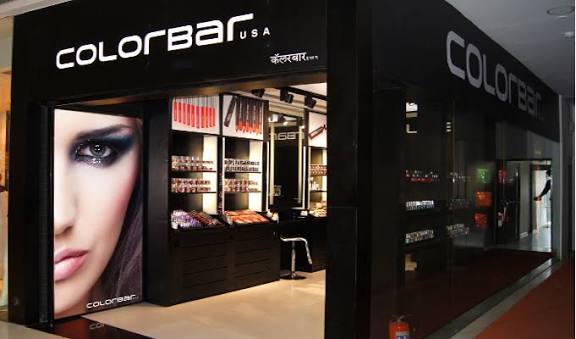
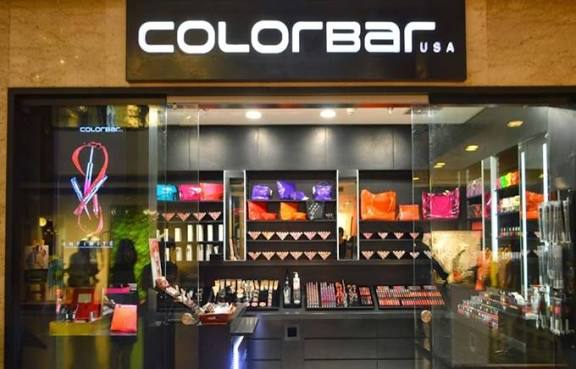
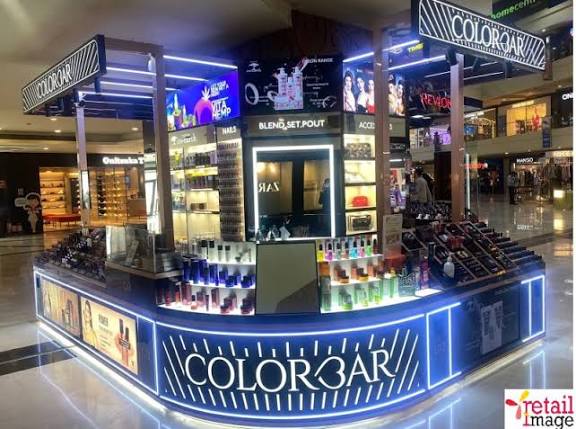
The consumer this brand is built to serve is urban, beauty-aware, and increasingly demanding about product quality — she compares formulations, reads ingredient lists, and expects the in-store experience to reflect the brand’s positioning. The mall and high street location requirement is not incidental: it places the store in the physical environment where this consumer already shops, reducing the discovery barrier and allowing the store to benefit from surrounding foot traffic generated by anchor tenants.
The Consumer Demand Case for This Product Category in India
India’s beauty and personal care market has been growing at a pace that most consumer categories cannot match, driven by a combination of forces that show no sign of reversing. The median age in India sits below 30, placing the largest share of the population precisely in the demographic cohort with the highest cosmetics consumption frequency. Urban women in this age group spend more on beauty products than any previous generation — and rising female workforce participation means more women with independent spending power making those purchases.
Equally significant is the geographic spread of this demand. Tier 2 cities — Indore, Coimbatore, Bhubaneswar, Surat, Nagpur — are adding organised retail capacity and consumer purchasing power simultaneously. A Color Bar franchise entering one of these markets benefits from consumers who have been shopping online for branded cosmetics but prefer the in-store experience for colour products, where shade matching and texture evaluation require physical access. That preference for in-store beauty shopping is a structural advantage for a physical retailer that an e-commerce competitor cannot fully neutralise.
Why a Branded Color Bar Store Outperforms Independent Retail in This Category
Consider what an independent cosmetics retailer would need to build to match what a Color Bar franchise delivers from day one. A product range with national brand recognition, developed against international formulation standards, photographed professionally, and marketed to consumers through national campaigns — building that asset set independently would require years and capital well in excess of the franchise investment. The independent retailer sourcing from distributors also absorbs multiple margin layers that a brand-owned franchise bypasses.
Product development investment is a particularly visible advantage. Colorbar releases new collections, seasonal shade ranges, and skincare additions on a continuous cycle — activity that keeps the store relevant and gives consumers a reason to return beyond pure replenishment. An independent beauty retailer has no equivalent driver of newness unless they continuously source and vet new brands themselves, which is both operationally demanding and commercially risky. The franchise model absorbs that investment centrally and delivers the benefit to every store in the network simultaneously.
Geographic Opportunity and Where Color Bar Is Expanding
With between 100 and 200 stores currently operating, Color Bar has established meaningful network density in the major metros but remains significantly under-distributed across the tier below. Cities with populations between 500,000 and 2 million — the tier where organised retail infrastructure is now arriving faster than branded beauty retail can follow — represent the clearest near-term expansion opportunity. These markets already have consumers who know the Colorbar brand through social media and e-commerce exposure but lack a physical retail touchpoint for the brand.
For an investor evaluating geographic fit, the relevant question is not whether the city is big enough for a beauty store but whether the specific location — a mall anchor floor or a high street retail strip — generates the minimum footfall needed to sustain the store’s monthly revenue requirement. Territory allocation and exclusivity terms vary by market density and are best confirmed directly with the franchisor, but first-movers in emerging Tier 2 markets historically secure more favourable geographic protections than late entrants into already-competitive locations.
E-Commerce, Quick Commerce, and the Threat to Physical Retail
Online beauty retail in India is real competition, and an investor who dismisses it does so at their own risk. Nykaa and other platforms have built enormous cosmetics consumer bases, and Colorbar products are available through these channels. The question for a franchisee is not whether online sales exist but whether they cannibalise the physical store or complement it — and the category economics suggest more of the latter than the former.
Colour cosmetics have a higher in-store conversion advantage than almost any other personal care sub-category. Lipstick shades, foundation undertones, eyeshadow pigmentation — these are products consumers consistently want to see in person before purchase, particularly for the first transaction with a new shade. The physical store also provides the consultative experience that drives discovery: a customer who came in for a lipstick leaves with a matching liner because a trained staff member demonstrated the combination. That interaction does not happen on a product listing page. Franchisees who invest in staff capable of delivering that experience close the gap between footfall and revenue more effectively than those running the store as a self-service retail format.
Competitive Differentiation: Why Consumers Choose Color Bar
Colorbar’s specific differentiation sits in its formulation investment relative to its price positioning. The brand has consistently developed products using international pigment and texture standards while maintaining retail prices accessible to the Indian mid-market consumer — a balance that competitors at the same price point have struggled to consistently maintain. The result is a consumer who perceives the brand as delivering more performance per rupee than alternatives at a similar shelf price, which drives both loyalty and word-of-mouth recommendation.
The store format reinforces this: a dedicated Color Bar retail environment, rather than a shelf inside a multi-brand pharmacy, allows the full range to be experienced in the brand’s own visual identity. That controlled presentation environment is part of what the franchise investment funds — and it is the reason a Color Bar store consistently outperforms the same brand’s products sold through a third-party retailer, because the context shapes the consumer’s perception of the product before they touch it.
Who Builds a Profitable Color Bar Store
The franchisees who build Color Bar stores that reach the upper portion of the indicative revenue range share a consistent profile: they are present in the store during peak trading periods, they engage personally with regular customers and remember their preferences, and they treat the monthly merchandising refresh as a discipline rather than an optional activity. Beauty retail rewards personal engagement in a way that FMCG or grocery formats do not — the customer who trusts the store owner’s recommendation becomes a loyal buyer whose annual spend compounds across multiple product categories.
Capital adequacy matters for entering this Color Bar franchise, but it does not determine outcome. An investor who funds the store to specification and then manages it from a distance will find the 9-to-18-month break-even timeline consistently gravitating toward its upper boundary, because the consultative dynamic that drives basket size and repeat visits requires active, informed human presence on the shop floor.
Accepting franchise applications in 35 states & UTs
How does a Color Bar franchise compare to other retail franchises in this investment range?
At ₹10 lakh to ₹20 lakh, the Color Bar franchise competes with mid-range personal care and lifestyle retail formats. Its differentiation lies in the brand's national consumer recognition, its position in the top tier of Indian cosmetics brands by market presence, and the product development pipeline that keeps the range current across seasonal collections. Competing formats at this investment level typically offer either narrower category depth or lower brand consumer awareness.
Is a Color Bar store viable in Tier 2 and Tier 3 Indian cities?
Tier 2 cities with organised mall retail or established high street commercial strips represent strong candidates for Color Bar expansion. The brand has consumer awareness in these markets through digital and social media exposure, meaning the store benefits from existing brand familiarity rather than needing to build it from zero. The key qualifier is location quality within the city — a well-trafficked position in the right retail environment outweighs city size as a viability factor.
How does Color Bar handle competition from e-commerce in this product category?
The brand's presence on major beauty e-commerce platforms coexists with its physical franchise network rather than competing directly with it. Consumers who discover Colorbar online and then visit a store for shade matching or a first purchase become physical retail customers. Franchisees benefit from this omnichannel awareness effect — the online channel builds brand familiarity that reduces the conversion effort required when a new customer enters the store for the first time.
What is Color Bar's national marketing strategy and how does it benefit franchisees?
Colorbar's national marketing activity spans digital campaigns, social media product launches, and seasonal collection communications that build consumer awareness independently of individual store advertising budgets. Franchisees benefit from this national presence in the form of consumers who arrive at the store already informed about the brand and often already aware of specific products they want to try. Local marketing — area social media activity, mall promotional participation, customer loyalty engagement — is the franchisee's responsibility and complements rather than replaces the national brand activity.
What is the Color Bar store expansion plan for the next two years?
With a network currently between 100 and 200 stores and a consistent historical addition rate of ten new units annually, the brand is in an active expansion phase across India. The geographic priority is expected to favour Tier 2 cities where organised retail infrastructure is growing and branded beauty retail presence remains limited relative to consumer demand. Investors evaluating specific markets should discuss territory availability and any existing or planned network presence in their target city directly with the franchisor.
Disclaimer: All scores, rankings, and estimates on ForeFind are independently produced editorial assessments using publicly available data and validated brand-submitted information. They are not verified facts, financial advice, or investment recommendations. Full Disclaimer.
