


Burj EIFFEL LUBRICANTS PVT. LTD. Franchise: Workshop Investment, Revenue Per Vehicle and Return Timeline
About Burj EIFFEL LUBRICANTS PVT. LTD.
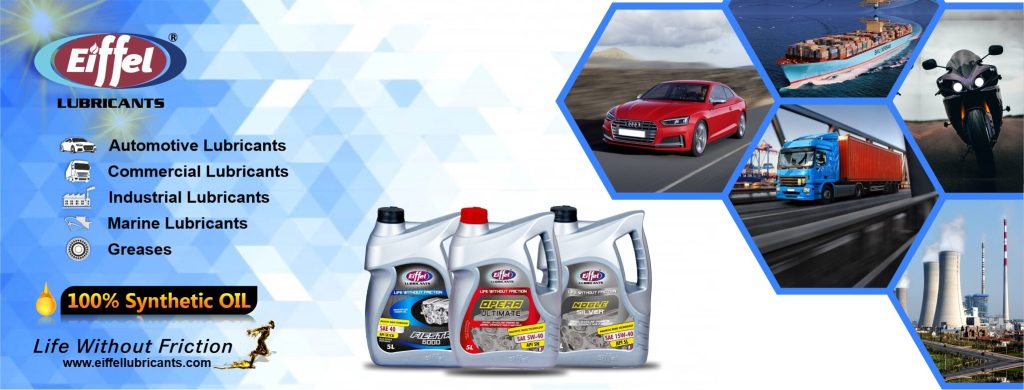
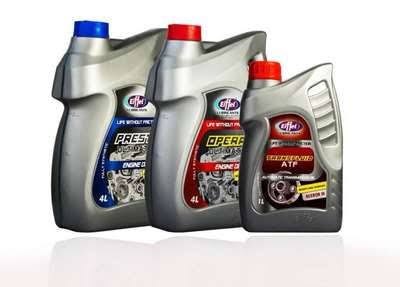
Burj EIFFEL LUBRICANTS PVT. LTD. franchise distributes the EIFFEL lubricant and grease range in India — a UAE-manufactured product line with OEM approvals from vehicle manufacturers including MAN, Volvo, Mack, Renault, Volkswagen, Mercedes-Benz, and Porsche. The product range uses base oils sourced from ExxonMobil, Lubref, and SK, with additives from Afton, Chevron, and Lubrizol — a supply chain composition that positions EIFFEL in the quality-certified segment of the Indian lubricant market rather than among generic domestic blenders. With 50 to 100 active franchise locations and an established network growing at over six new units per year, the brand has demonstrated consistent expansion across Indian territories.
The structural demand context for this franchise is straightforward: India’s vehicle fleet exceeds 300 million registered units and generates lubricant replacement demand on fixed kilometre-based cycles across every vehicle category. This demand does not fluctuate with consumer sentiment — it is driven by maintenance obligation. A franchisee entering this market through an OEM-approved product brand is not building demand from scratch; they are redirecting existing spending toward a verifiable, higher-quality source.
Revenue Per Vehicle and Daily Throughput Economics
Lubricant distribution economics operate on two levers: product margin per unit sold and the volume of vehicles or institutional customers the franchisee serves in a given period. A standard passenger vehicle engine oil change generates a product sale of ₹400 to ₹1,200 depending on grade and quantity, with service margin layered on top if the franchisee includes fitment. Commercial vehicles — trucks and buses requiring larger oil volumes and specialist grades — generate higher per-vehicle product revenue, though at lower daily frequency than passenger car servicing.
A franchisee operating with four to six staff and a structured distribution setup can serve 15 to 30 vehicle-equivalent transactions daily across retail and institutional channels. The monthly revenue range indicated for this franchise — ₹80,000 to ₹3,00,000 — reflects the genuine spread between a franchisee who has activated only retail walk-in demand and one who has secured two or three fleet or workshop supply accounts that generate recurring monthly orders independent of individual customer footfall. The upper end of this range is achievable for franchisees who pursue institutional volume, not merely retail transactions.
Investment Breakdown: Equipment, Setup, and Working Capital
The INR 10,000 to 50,000 entry investment is among the most capital-efficient entry points in the Indian automotive franchise category, and understanding what this covers — and what it requires the franchisee to contribute separately — is essential for realistic financial planning. The franchise fee and initial product inventory form the core of the setup investment at this range. Because the model has no mandatory space requirement, the franchisee avoids the commercial rent and fitout costs that inflate setup capital in space-dependent automotive formats.
Monthly cost structure after opening is consequently lean: staff wages for the team managing distribution and customer service, product restocking costs that scale with sales volume, a trade license compliance cost, and any applicable franchise support fees. The absence of heavy equipment depreciation — no alignment rigs, no vehicle lifts — keeps fixed costs low enough that even a moderate level of monthly product throughput covers the operating structure. Working capital for the first two to three months of inventory cycling before cash flow stabilizes is the primary financial buffer the franchisee needs to hold in reserve beyond the initial setup investment.
The AMC and Repeat Business Model
The most commercially durable revenue structure for a Burj EIFFEL franchise is not retail walk-in sales — it is recurring supply agreements with workshops, fleet operators, and institutional customers who reorder on predictable cycles. A workshop that uses EIFFEL engine oil for every service job it performs generates a monthly reorder regardless of whether new retail customers walk in. A taxi fleet operator who schedules oil changes across 20 vehicles every quarter creates a supply relationship that contributes to monthly revenue without requiring the franchisee to re-acquire the account each time.
Individual vehicle owners can be converted into predictable repeat customers through service interval reminders — a simple follow-up system that notifies the customer when their vehicle’s next oil change is due based on their last purchase. This converts a one-time transaction into a relationship with a defined reorder cadence. Franchisees who implement even a basic customer contact system in the first three months build a recurring base that stabilizes monthly revenue above the variable walk-in floor, which is the primary mechanism driving break-even timing toward the shorter end of the projected range.
Break-Even and What Drives the Timeline
The 6 to 12 month break-even window is among the more accessible in the automotive franchise category, and the variance between these endpoints is explained by three operational factors. Franchisees who reach break-even within six months consistently share one characteristic: they enter with at least one institutional supply account already identified — a local workshop, a transport operator, or a fleet supervisor — that generates product volume from the first month rather than building purely from retail walk-in demand.
Franchisees trending toward the 12-month end typically face one or more of: a slower-than-expected retail customer activation, a delay in securing workshop supply relationships, or an initial product mix that is not well-calibrated to the dominant vehicle types in their territory. Each is correctable — recalibrating stock toward high-turnover grades, prioritizing outreach to two to three fleet operators in the first 60 days, and leveraging the EIFFEL brand’s OEM approvals in commercial sales conversations. The investment’s low-cost structure means monthly losses during the break-even period are modest relative to most automotive franchise formats, which limits the total capital at risk while the franchisee builds volume.
Regulatory Compliance and Authorization Requirements
A Burj EIFFEL franchise operates under a trade license — the standard compliance requirement for a commercial distribution outlet. GST registration applies once turnover reaches the applicable threshold and governs both product sales invoicing and filing obligations, which the franchisee manages independently or through an external accountant. The EIFFEL product range carries OEM approvals from major vehicle manufacturers, which is a commercial credential rather than a regulatory requirement — but it functions as a compliance-adjacent quality signal in institutional sales conversations where procurement managers require documented product specifications.
The franchisor provides the product supply chain, brand authorization, and training infrastructure. Statutory registrations — trade license, GST, and any city-specific trade permits — are the franchisee’s responsibility to complete before commencing commercial operations. Initiating these applications in parallel with the product onboarding process rather than sequentially avoids the revenue delays that post-setup registration backlogs create in the first month of operations.
Who This Automotive Investment Suits
Technical professionals with prior exposure to automotive products, fleet management, or industrial supply — combined with an existing local network in the vehicle owner or transport community — consistently build to break-even faster than those entering the category without sector relationships. The investment level makes this accessible to salaried professionals, retired individuals with commercial experience, and first-time entrepreneurs who want an entry into the automotive category without the capital commitment of a full-service workshop. Investors without any existing connection to the local vehicle owner or fleet community consistently struggle to build sufficient daily throughput in the early months, because lubricant distribution relies on personal credibility in commercial sales conversations rather than brand visibility alone to activate institutional accounts.
Accepting franchise applications in 30 states & UTs
How much does a Burj EIFFEL LUBRICANTS PVT. LTD. franchise cost in India?
The entry investment falls within the INR 10,000 to 50,000 range — one of the lowest investment thresholds in the organized automotive franchise market. This covers the franchise fee and initial product inventory to begin commercial operations. Because the model carries no mandatory space requirement, franchisees avoid the commercial rent and fitout costs that increase total investment in space-dependent formats. Full investment details are confirmed during the franchise application process.
How many vehicles does a Burj EIFFEL LUBRICANTS PVT. LTD. outlet service per day on average?
Daily throughput depends on the franchisee's channel mix. A retail-focused operation serving individual vehicle owners might complete 15 to 25 product transactions daily. A franchisee who has developed workshop supply and fleet accounts processes fewer individual transactions but higher product volume per order, achieving monthly revenue targets with a different daily operational pattern. The productive approach combines both: retail transactions that build community presence alongside institutional accounts that contribute consistent volume independent of daily walk-in variation.
What is the expected monthly revenue from a Burj EIFFEL LUBRICANTS PVT. LTD. franchise?
The indicative monthly revenue range for an established Burj EIFFEL franchise is ₹80,000 to ₹3,00,000. The lower end reflects a franchisee operating primarily on retail walk-in demand; the upper end reflects one who has activated institutional supply relationships — workshops, fleet operators, and commercial vehicle owners — that generate recurring monthly orders. The revenue range's width is a direct reflection of how aggressively the franchisee pursues institutional accounts rather than treating the business as a passive distribution point.
Does Burj EIFFEL LUBRICANTS PVT. LTD. provide equipment and tools as part of the franchise?
The franchise setup is product-distribution based rather than workshop-equipment based, which means the capital requirements are concentrated in initial inventory and brand onboarding rather than machinery procurement. Specific inclusions in the franchise package — product assortment, sales support materials, and any operational tools — are confirmed during the onboarding process. The absence of mandatory heavy equipment is one of the structural reasons the total investment remains accessible at the INR 10,000 to 50,000 level.
What technical training does Burj EIFFEL LUBRICANTS PVT. LTD. provide to franchisees?
Training covers the EIFFEL product range — grades, vehicle compatibility, OEM approval context, and competitive positioning — alongside the application knowledge required to advise commercial customers on correct product selection for their vehicle or fleet types. Franchisees who can articulate why a particular EIFFEL grade is appropriate for a commercial customer's specific engine specification, and back that recommendation with the brand's OEM credentials, build institutional account trust faster than those who sell on price alone. Training specifics, including format and duration, are provided during the franchise evaluation process.
Disclaimer: All scores, rankings, and estimates on ForeFind are independently produced editorial assessments using publicly available data and validated brand-submitted information. They are not verified facts, financial advice, or investment recommendations. Full Disclaimer.
