


Burger Singh Franchise
Franchise Quick Facts
| Brand Name | Burger Singh |
|---|---|
| Industry / Category | Food & Beverage / Quick Service Restaurant (QSR) |
| Founded Year | 2014 |
| Franchise Started Year | 2017 |
| Total Franchise Outlets | 100–200+ |
| Estimated Investment | INR 30 Lakh – 50 Lakh |
| Franchise Fee | INR 3,00,000 |
| Royalty Fee | 8% |
| Space Requirement | 300 – 1500 sq. ft. |
| Staff Requirement | 6–15 persons |
| Expected Payback Period | 2–3 Years |
1. What is Burger Singh?
Burger Singh is a quick service restaurant brand focused on serving burgers adapted to Indian taste preferences. It operates in the organized fast-food segment, offering a mix of traditional burger formats and regionally inspired flavor variations.
The brand primarily targets urban consumers looking for affordable, quick meals with localized taste profiles.
2. How the Business Works
Operations are built around standardized QSR formats designed for dine-in, takeaway, and delivery.
Customers can order at the outlet or through digital platforms. Food preparation follows predefined recipes, allowing consistent output across locations. Kitchens are optimized for speed and volume, ensuring quick service during peak hours.
Revenue is generated through individual product sales, combo meals, and high repeat customer frequency. Delivery partnerships and online ordering contribute significantly to daily sales.
3. Products or Services Offered
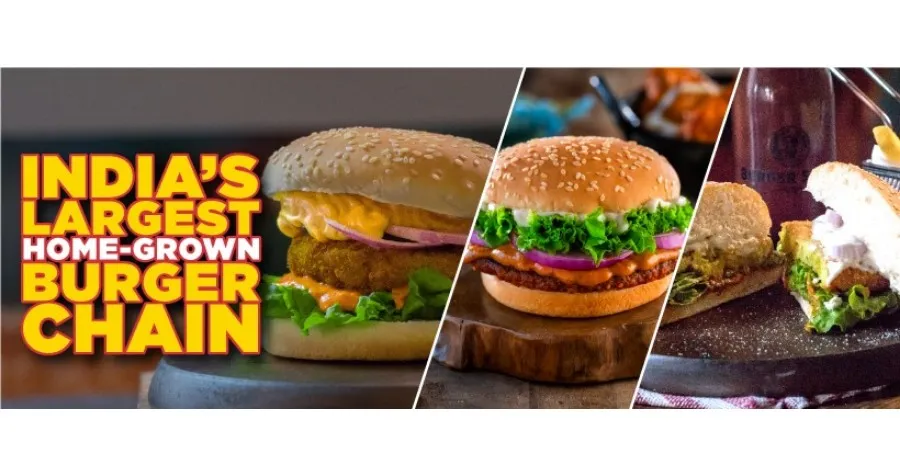
The menu combines traditional fast-food categories with Indian-inspired variations.
Core categories include
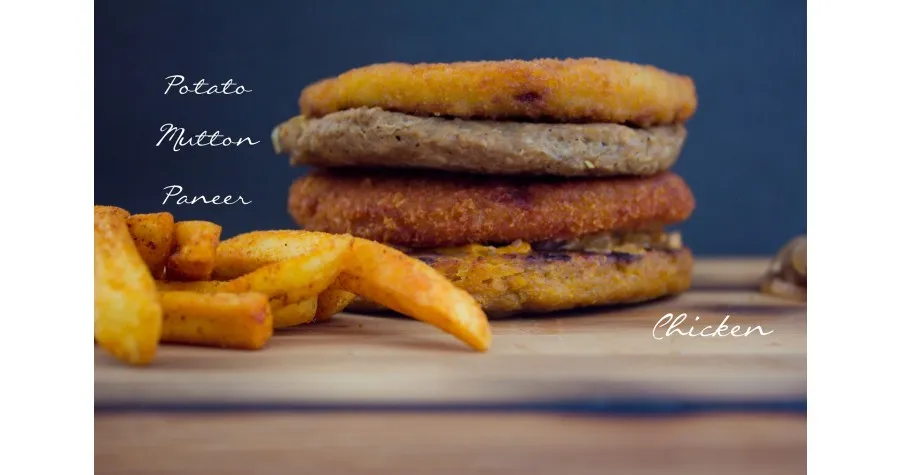
- Vegetarian and non-vegetarian burgers
- Indian-style fusion burgers with regional flavors
- Value burgers targeting entry-level pricing
- Combo meals with fries and beverages
- Side items such as fries and snacks
- Additional offerings like momos and quick bites
Menu characteristics
- Focus on affordability and accessibility
- Regionally inspired product naming and flavors
- Wide range of options for both vegetarian and non-vegetarian consumers
4. How the Franchise Model Works
The franchise model is designed for multi-format expansion across urban markets.
Role of the franchise partner
- Invest in and set up the outlet
- Manage daily operations and staffing
- Maintain brand standards for food quality and service
- Execute local marketing initiatives
Franchisor responsibilities
- Provide store design and layout guidance
- Deliver operational training and process manuals
- Support procurement and supply chain systems
- Offer marketing and brand-building support
- Provide ongoing operational monitoring
The model supports scalability, including single-unit and multi-unit ownership.
5. Franchise Cost and Investment Overview
The estimated investment required ranges from INR 30 lakh to INR 50 lakh.
Investment components include
- Franchise fee of INR 3,00,000
- Interior setup and store development
- Kitchen equipment and cooking systems
- Initial inventory and supply chain setup
- Pre-opening expenses and working capital
An ongoing royalty fee of approximately 8% is applicable on revenue.
6. Space and Infrastructure Requirements
The outlet format is flexible depending on location and scale.
Key requirements
- ????? between 300 and 1500 sq. ft.
- Suitable for high-street locations, malls, or food courts
- Fully equipped kitchen with standardized cooking systems
- Customer service area with dine-in or takeaway focus
- Storage and utility sections
The format supports both compact outlets and larger dine-in setups.
7. Training and Franchise Support
Franchisees receive structured onboarding and operational assistance.
Support includes
- Training in kitchen operations and service workflows
- Assistance in site selection and store setup
- Marketing and promotional strategy support
- Supply chain and vendor coordination
- Continuous operational guidance and audits
These systems are designed to maintain consistency and operational efficiency.
8. Revenue Model and ROI Factors
Revenue is driven by high transaction volume and repeat consumption.
Key revenue drivers
- Affordable pricing attracting a broad customer base
- Diverse menu increasing order frequency
- Strong delivery and takeaway demand
- Upselling through combos and add-ons
ROI considerations
- Location-driven footfall
- Operational efficiency and cost control
- Brand-driven demand and repeat customers
The expected payback period is approximately 2 to 3 years.
9. Brand History and Expansion
The brand was established in 2014 and began franchising in 2017.
It has expanded to over 100 outlets across multiple cities in India, positioning itself as a large domestic burger chain. The expansion strategy focuses on increasing presence in tier-1 and tier-2 cities.
The brand has outlined plans for significant network growth, targeting a much larger outlet base in the coming years.
10. Key Advantages of the Franchise
- Operates in a high-demand quick service restaurant category
- Strong focus on localized menu preferences
- Scalable store formats across different city tiers
- Established franchise system with operational support
- High repeat consumption potential
11. Who Should Consider This Franchise
This opportunity may suit:
- Entrepreneurs entering the food service industry
- Existing QSR operators looking to expand portfolios
- Investors seeking mid-scale retail food businesses
- Multi-unit franchise operators targeting urban markets
Similar Franchise Opportunities
Investors evaluating this segment may also consider:
- McDonald’s
- Burger King
- KFC
- Subway
- Wow! Momo
Accepting franchise applications in 35 states & UTs
What is the investment required for Burger Singh franchise?
The total investment typically ranges between INR 30 lakh and INR 50 lakh, including setup, equipment, and franchise fees.
How does the Burger Singh franchise business work?
It operates as a standardized quick service restaurant offering burgers and fast food through dine-in, takeaway, and delivery channels.
What space is required for the franchise?
A space between 300 and 1500 square feet is required, depending on the store format and location.
How long does it take to recover the investment?
The expected payback period is around 2 to 3 years, influenced by location performance and operational efficiency.
How can investors apply for the franchise?
Interested investors can connect with the brand through its official franchise channels to begin the onboarding and evaluation process. ## Similar Franchise Opportunities
Disclaimer: All scores, rankings, and estimates on ForeFind are independently produced editorial assessments using publicly available data and validated brand-submitted information. They are not verified facts, financial advice, or investment recommendations. Full Disclaimer.
