


Babyzone (A Division Of Ethix Group Of Companies) Franchise
Brand Information Snapshot
| Brand Name | Babyzone (A Division of Ethix Group of Companies) |
|---|---|
| Industry Category | Baby Products Retail |
| Business Segment | Infant & Childcare Products Store |
| Founded Year | 2000 |
| Franchise Started Year | 2012 |
| Headquarters | Not specified |
| Number of Franchise Outlets | 1 to 10 |
1. What is Babyzone?
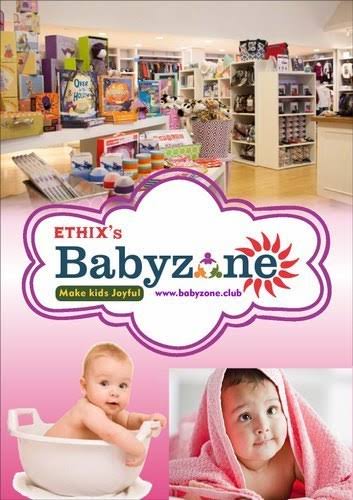
Babyzone is a franchise-based retail brand operating in the baby care and children’s products segment, offering a wide range of infant essentials, clothing, toys, and healthcare products through physical retail outlets.
The business is positioned as a one-stop store for parents, providing multiple categories of baby-related products designed for newborns and young children.
2. How the Business Works
The business follows a multi-category retail model focused on baby and childcare products.
Customer journey typically includes:
- Parents visiting the store to purchase baby essentials
- Selecting products across categories such as clothing, toys, and care items
- Completing purchases for daily or long-term usage
Operational workflow involves:
- Managing inventory across multiple product categories
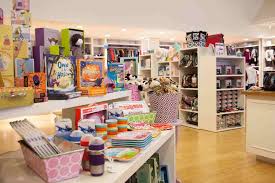
- Displaying products in organized retail sections
- Handling billing through integrated software systems
Revenue is generated through:
- Sale of baby products across categories
- Repeat purchases driven by ongoing childcare needs
- Regular demand from new and growing families
The model relies on consistent demand for baby essentials and repeat buying cycles.
3. Products or Services Offered
Baby Clothing
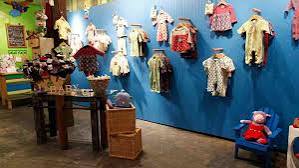
- Apparel for newborns and toddlers
- Everyday wear and seasonal clothing
Toys and Accessories
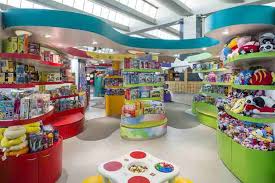
- Play items designed for early childhood
- Utility products supporting child development
Baby Care and Healthcare Products
- Items related to hygiene, safety, and daily care
- Products designed for infant use
Nursery Essentials
- Products used for setting up baby care environments
Technology and Store Systems
- Billing software and inventory management tools
- Mobile application support for store operations
4. How the Franchise Model Works
The franchise model is structured around operating a baby products retail store with centralized supply and operational support.
Role of the Franchise Partner
- Set up and manage the retail outlet
- Handle inventory, staff, and customer service
- Execute local marketing and daily operations
Operational Structure
- Inventory sourced through the brand’s supply system
- Centralized pricing and product sourcing
- Technology-enabled billing and stock management
Franchisor–Franchisee Interaction
- The franchisor provides product supply, branding, and operational systems
- Franchisees manage store-level execution and sales
Franchise partners may receive territory-based exclusivity within a defined radius.
5. Franchise Cost and Investment Overview
Estimated Investment
- INR 2,00,000 to INR 5,00,000
Franchise Fee
- INR 83,000 (one-time, non-refundable, 5-year term)
Royalty Fee
- 1% on gross sales
Additional Costs
- Store setup and interiors
- Equipment procurement (fixtures, systems, etc.)
- Initial inventory purchase
- Licensing and compliance
The model is positioned as a low-investment retail opportunity with centralized supply support.
6. Space and Infrastructure Requirements
Space Requirement
- 200 to 600 sq. ft.
Location Preferences
- Residential areas and family-centric neighborhoods
- Locations with access to new parents and households
Infrastructure Needs
- Retail display racks, storage units, and billing counters
- Computer system with billing software
- Basic store equipment such as air conditioning and CCTV
Staffing Requirements
- Sales staff and support personnel
- Store-level management for operations
7. Training and Franchise Support
Franchise partners receive structured operational and business support.
Training Support
- Staff recruitment and training assistance
- Product knowledge and store operations
Setup Support
- Help with store setup and equipment procurement
- Assistance in obtaining required licenses
Technology Support
- Billing software and inventory management system
- Mobile application integration
Marketing Support
- Promotional materials and advertising content
- Guidance for local and digital marketing
Ongoing Support
- Continuous staff training
- Compliance and documentation assistance
These systems aim to standardize operations and simplify store management.
8. Revenue Model and ROI Factors
Revenue Streams
- Retail sales of baby products across categories
- Repeat purchases driven by infant growth and usage cycles
Demand Drivers
- Continuous demand for baby essentials
- Growing population of new parents
- Multi-category product requirements
Customer Retention
- High repeat purchase frequency
- Long-term customer lifecycle (newborn to toddler stages)
Profitability Factors
- Inventory sourcing at discounted rates
- Product margin structure
- Local demand and store visibility
Payback Period
- Not explicitly specified, dependent on sales performance
9. Brand History and Expansion
The business originated in 2000 and expanded into franchising in 2012.
The franchise network currently ranges from 1 to 10 outlets, indicating early-stage expansion in this format.
The brand operates under a structured retail system supported by centralized sourcing and operational processes.
10. Key Advantages of the Franchise
- Operates in the baby care segment with consistent demand
- Multi-category product offering in a single store
- Low entry investment compared to typical retail formats
- Centralized supply and inventory systems
- Technology-enabled billing and management
- Territory-based exclusivity in local markets
Franchise Investment Snapshot
| Estimated Investment | INR 2 Lakh – INR 5 Lakh |
|---|---|
| Franchise Fee | INR 83,000 |
| Royalty Fee | 1% |
| Space Requirement | 200 – 600 sq. ft. |
| Payback Period | Not specified |
| Number of Outlets | 1 to 10 |
Accepting franchise applications in 34 states & UTs
Disclaimer: All scores, rankings, and estimates on ForeFind are independently produced editorial assessments using publicly available data and validated brand-submitted information. They are not verified facts, financial advice, or investment recommendations. Full Disclaimer.
