


Ashshell Baby Products Pvt. Ltd. Franchise: Investment, Returns and Profit Model in India
About Ashshell Baby Products Pvt. Ltd.
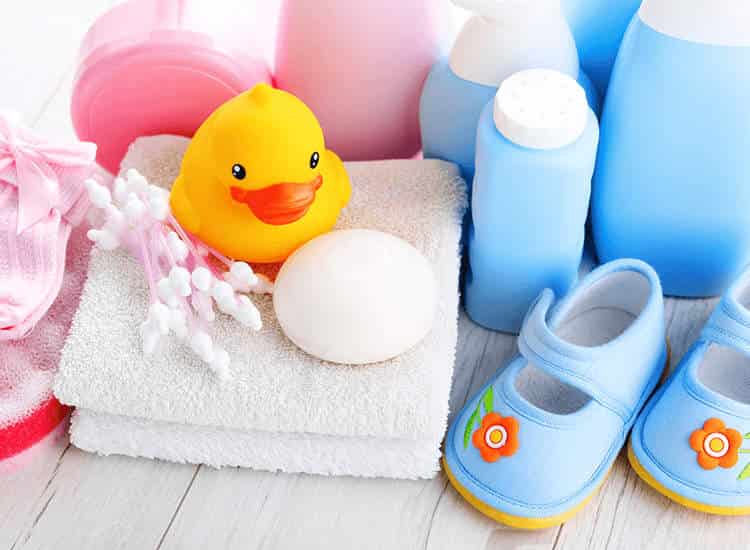
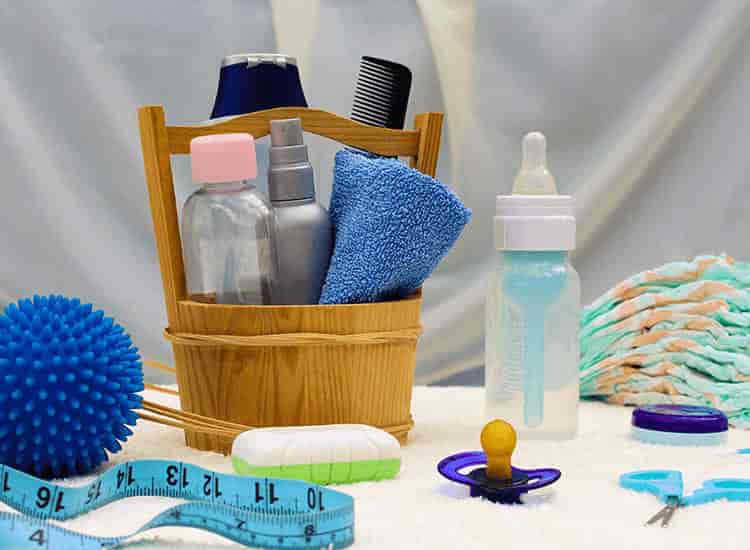
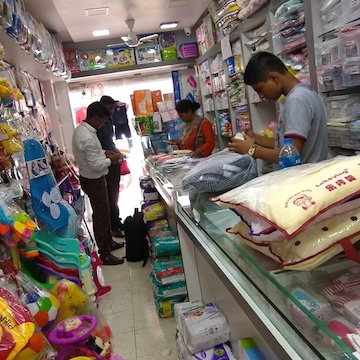
Ashshell Baby Products Pvt. Ltd. operates through its retail brand Baby World Store — an exclusive baby and infant products retail format offering over 3,000 curated products across toys, personal care, furniture, clothing, and baby accessories. The brand runs four company-owned stores in Mumbai alongside warehouse infrastructure that supports both retail operations and franchise supply. The franchise opportunity operates under the Baby World Store brand in a 300 to 400 square foot commercial retail format — a compact footprint designed for residential-adjacent locations where young family density is high. The company’s existing owned-store operations in Mumbai provide operational proof of concept: investors are evaluating a retail model that the founders have run themselves across multiple locations, rather than a franchise system built on a theoretical business design.
The Revenue Model in Practice
Revenue through a Baby World Store franchise flows from direct product sales to individual consumers — parents, grandparents, and caregivers purchasing across the 3,000-plus SKU range. The B2B component reflects potential bulk or institutional purchasing from SME buyers: crèches, nurseries, gift service providers, and maternity hospitals that source baby products in volume. Unlike subscription or service models, this is transaction-led retail — each visit is a purchase event rather than a membership renewal — which means revenue is directly correlated with footfall, average basket size, and category breadth. The 3,000-SKU range is the primary conversion tool: families who enter for one category (feeding accessories, for example) frequently add from adjacent categories (clothing, skincare) in the same transaction. The franchisee controls the in-store experience, staff product knowledge, and local marketing activity; the franchisor determines the product range, supply pricing, and brand standards.
Understanding the Investment: What INR 10 Lac–20 Lac Actually Buys
The investment range for an Ashshell Baby Products franchise covers the franchise licence fee, initial inventory draw from the central warehouse, store fitout across the 300 to 400 square foot format, fixtures and display systems for the product range, staff training, and working capital through the pre-revenue and early trading phase. Because the product is supplied through the franchisor’s Mumbai warehouse infrastructure rather than sourced locally, the franchisee’s inventory procurement is centralised — simplifying purchasing but making per-unit product cost dependent on the franchisor’s pricing rather than local negotiation. Monthly cost structure post-launch includes commercial rent, staff salaries for two to eight team members, and any ongoing franchise fee or royalty obligations confirmed in the franchise agreement. The 300 to 400 square foot format keeps rental costs manageable relative to larger baby retail formats, which is a meaningful factor in the break-even calculation for cities where commercial rents are high.
Break-Even and Return Timeline
The 9 to 18 month break-even window for a Baby World Store franchise is primarily determined by two variables: how quickly the franchisee builds a regular customer base in the local family demographic, and what average monthly transaction volume that base generates. Franchisees who enter locations with the right catchment — dense family residential population, proximity to maternity clinics or paediatric services, high foot traffic from young parents — build purchasing frequency faster than those in commercially busy but demographically mismatched areas. The 9-month end of the range reflects a well-located store with strong local community marketing and a franchisee who actively engages the parent community in the catchment. The 18-month end reflects a franchisee who relies on organic walk-in discovery without active local outreach, or one operating in a location where family density is lower than optimal. Product margin — the difference between the franchisee’s supply cost from the franchisor and the retail price — is the other variable; franchisees should understand gross margin per category before modelling break-even against their specific monthly cost structure.
What the Franchisor Provides and What They Do Not
Ashshell Baby Products provides franchisees with the Baby World Store brand, access to the 3,000-plus product catalogue through the Mumbai warehouse supply chain, store setup guidance and fitout standards, and staff training on the product range. The company’s operational experience across four Mumbai stores means the franchise framework is built on actual retail operations rather than theoretical processes — SOPs for store layout, inventory management, and customer service reflect what has worked in the company-owned network. What the franchisee manages independently is significant: local marketing and community outreach to build the family customer base, day-to-day staff supervision, inventory reorder decisions based on local demand patterns, and all customer-facing service delivery. The franchisor’s Mumbai-based warehouse supply chain serves as the product backbone, but its geographic concentration means franchisees in distant markets should confirm delivery timelines and minimum order logistics before committing.
Financial Risk Factors Specific to This Category
Baby products retail carries a distinct set of operational and financial risks. Inventory management is the primary cost risk: a 3,000-SKU range across diverse categories — furniture, clothing, personal care, toys — creates significant complexity in demand forecasting, and slow-moving stock in the wrong categories ties up working capital while occupying limited shelf space. In a 300 to 400 square foot store, every square metre of display must earn its keep; franchisees who do not actively monitor category performance and adjust reorder decisions accordingly accumulate dead stock that erodes margin. Location dependency is high and difficult to correct post-commitment: a store in the wrong demographic catchment will consistently underperform regardless of product quality or staff capability, and lease renegotiation or relocation carries real cost. Product safety compliance is a relevant consideration for a baby products retailer — items used by infants and young children are subject to BIS and import standards that vary by category, and franchisees should confirm that all stocked products carry appropriate certifications. Staff turnover, while typically lower than in food service, affects service quality in a category where knowledgeable product guidance influences purchase decisions significantly.
Who This Investment Suits and Who It Does Not
The franchisee who reaches break-even within 12 months in a Baby World Store typically combines a genuine connection to the young family demographic — as a parent, as someone with community relationships among parents, or with prior retail experience in adjacent categories — with the operational willingness to manage a 3,000-SKU store actively rather than delegating entirely to staff. The brand explicitly positions the franchise opportunity toward women entrepreneurs, reflecting the observation that mothers and caregivers already embedded in the target customer community often build the most effective local marketing relationships for this format. Experienced professionals and small retailers upgrading to a branded model bring useful operational discipline; those with healthcare, education, or childcare backgrounds bring relevant community credibility. Investors who approach the store as a passive commercial asset — capital deployed, manager installed, outcomes monitored remotely — consistently underperform on both footfall conversion and customer retention in a category where personal engagement with the parent community is the primary driver of repeat purchasing.
Accepting franchise applications in 14 states & UTs
How much does an Ashshell Baby Products franchise cost in India?
The total investment for an Ashshell Baby Products (Baby World Store) franchise ranges from INR 10 Lac to INR 20 Lac, covering the franchise licence, initial inventory, store fitout and fixtures for a 300 to 400 square foot commercial space, training, and working capital. Because the format is compact by baby retail standards, fitout costs are lower than for larger format stores. The exact investment breakdown and ongoing fee structure are confirmed during the formal franchise inquiry process.
What is the expected monthly revenue from an Ashshell Baby Products outlet?
Monthly revenue figures are available through the franchisor's disclosure process and depend on location, footfall, average basket size, and local marketing effectiveness. In baby products retail, monthly revenue is transaction-led — driven by how many families visit and what categories they purchase across. The most reliable benchmarks come from speaking with existing franchise operators and, where possible, visiting the company-owned Mumbai stores to understand the customer volume and purchase patterns the brand generates in an established location.
Does Ashshell Baby Products provide territory exclusivity to franchisees?
Territory exclusivity terms are part of the franchise agreement and must be verified directly with the franchisor during the inquiry process. With 10 franchise units currently, the network is not yet at a scale where territory saturation is an immediate concern — but franchisees should confirm in writing how the franchisor defines territorial boundaries and what protections apply if additional units are later considered in the same market. This is particularly relevant for urban markets where multiple catchments may exist within a single city.
What licences are required to open an Ashshell Baby Products franchise?
The primary regulatory requirements are a trade licence from the local municipal authority and GST registration — both standard requirements for organised retail in India. Because baby products include items used directly on or by infants, franchisees should also verify that stocked products — particularly personal care, feeding equipment, and furniture — carry appropriate BIS certifications or import compliance documentation. The franchisor should provide category-level compliance guidance as part of the onboarding process, given that the product range is centrally curated and supplied.
Is prior retail experience required to open an Ashshell Baby Products franchise?
No formal retail experience is required, though it reduces the operational learning curve in managing a 3,000-plus SKU range across multiple baby product categories. The more relevant qualification is familiarity with the target customer — parents and caregivers — and the willingness to build active community relationships with local families. Franchisees without retail backgrounds should plan for a longer initial ramp-up period and engage closely with the franchisor's training programme, which covers both product knowledge and store operations, before attempting to manage inventory decisions independently.
Disclaimer: All scores, rankings, and estimates on ForeFind are independently produced editorial assessments using publicly available data and validated brand-submitted information. They are not verified facts, financial advice, or investment recommendations. Full Disclaimer.
