



Akcm Insu Auxiliary Pvt Ltd and the Indian Services Franchise Opportunity
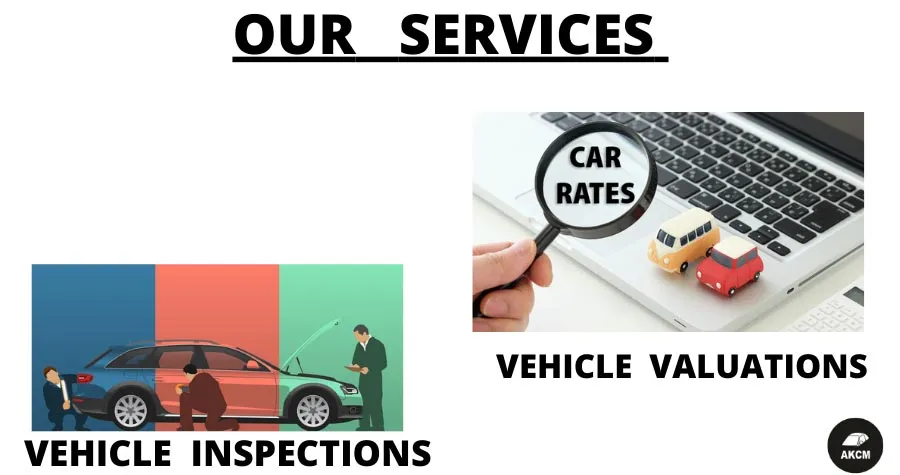
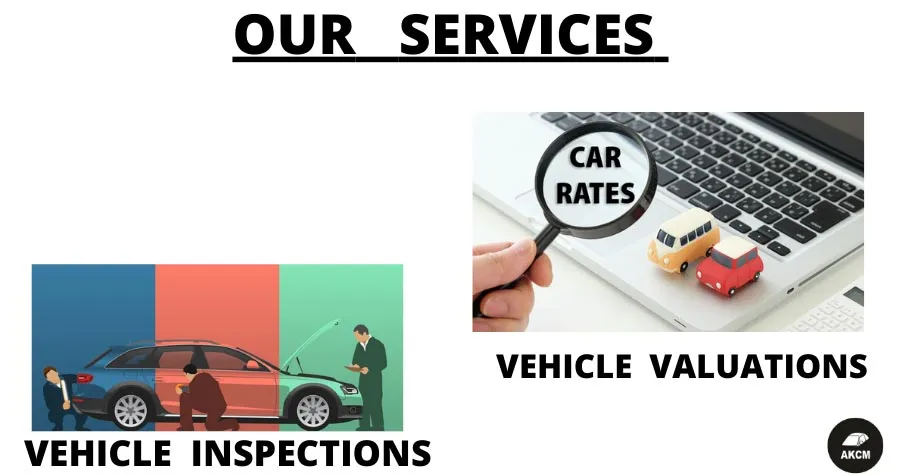
The Akcm Insu Auxiliary Pvt Ltd franchise sits inside a specific operational gap that most insurers cannot efficiently staff in-house: physical, on-ground verification of vehicles before a lapsed policy gets renewed, commonly known as break-in inspection. The client need here is acute and recurring, since vehicle owners regularly let policies lapse past the grace period, and every one of those renewals legally requires a fresh inspection before the insurer can issue cover again. Insurers feel this need constantly but at a volume that makes maintaining a dedicated field workforce impractical city by city, which is exactly the gap a franchise network is built to fill. By distributing the inspection workload across local franchise partners equipped with a phone and basic mobility, the model turns what would otherwise require a large centralised field staff into a distributed, locally responsive service that can scale into smaller towns without the insurer ever having to hire directly.
Why Demand for This Service Is Structurally Growing in India
Several forces point to durable rather than seasonal demand for this kind of inspection work. India’s vehicle parc keeps expanding every year, and a meaningful share of policyholders let coverage lapse past renewal deadlines regardless of reminders, which mechanically generates a steady stream of break-in cases independent of any single year’s economic conditions. Insurers, both public and private, are also increasingly outsourcing field verification functions that sit outside their core underwriting and claims expertise, preferring to pay per inspection through a specialised partner rather than carry fixed field staff costs. Regulatory expectations around documentation quality, including photographic and video evidence collected through standardised mobile reporting, have also raised the bar for what counts as an acceptable inspection, favouring organised networks with consistent reporting tools over informal, unverified local agents. None of these drivers depend on a particular economic cycle; they reflect how the underlying volume of vehicles and the operational habits of insurers are evolving structurally.
The Franchise Advantage Over Going Independent in This Service Category
Approaching insurers directly as an independent inspection contractor is a difficult sales process, since insurers generally prefer working with an established network that already has demonstrated reporting consistency across multiple locations rather than vetting a single unknown local operator. A franchise affiliation removes that credibility barrier immediately, since the franchisor’s existing relationships with insurance providers already establish the trust an independent operator would need years to build. The standardised mobile reporting process, capturing a consistent set of images and generating a structured report format insurers already recognise, is also something that would take considerable trial and error to replicate independently. Add to this the practical advantage of a peer network of other franchisees who have already solved common field issues, and the cost of building this infrastructure alone, in both time and credibility, becomes difficult to justify against a relatively low franchise entry cost.
Territory, Market Sizing, and the Opportunity in Indian Cities
Territory in this model tends to follow city or district boundaries, sized around how many vehicle owners and insurer touchpoints exist in that catchment rather than a fixed radius. A typical Tier 2 Indian city carries a substantial volume of registered vehicles, and even a modest lapse rate on renewals translates into a steady monthly count of break-in cases requiring inspection. Realistic market penetration in the first two years depends heavily on how many insurer tie-ups the franchisee or franchisor can route business through locally, since inspection volume flows from insurer referrals rather than direct consumer marketing; a franchisee well-connected into one or two active insurer relationships in their district can expect to see consistent case flow well before any broader market saturation becomes a concern.
Competitive Landscape: Who Else Serves This Market
Large corporate inspection or surveying firms tend to focus on bigger-ticket commercial and corporate claims work, leaving high-volume, low-value retail vehicle inspections as a segment they serve inconsistently or at a cost insurers find inefficient for routine cases. Informal local agents sometimes pick up this work directly from insurer contacts, but without standardised reporting tools, documentation quality and turnaround time vary considerably from one agent to the next. Akcm Insu Auxiliary Pvt Ltd’s positioning fills the space between these two: consistent, app-based reporting at a price point and volume scale that large players do not prioritise, delivered with a structure that informal agents typically cannot match consistently across hundreds of monthly cases.
The Recurring Revenue Advantage of This Business Model
Unlike a one-off project engagement, this is a per-case, repeat-volume business: every inspection is a discrete, billable unit, but the relationship with an insurer that keeps routing cases month after month functions much like a recurring contract even though no single inspection ties the franchisee to future income. The long-term value of the franchise asset comes from the durability of these insurer relationships rather than any single transaction, since a franchisee with established insurer trust and a track record of clean, fast reporting tends to keep receiving case volume consistently, compounding into a stable monthly flow rather than a one-time payout.
Who Captures the Most Value From a Akcm Insu Auxiliary Pvt Ltd Franchise
The franchisees who extract the most value combine some insurance industry familiarity with reliable field logistics, whether through their own mobility or a small team capable of covering a district efficiently. Discipline in following the standardised reporting process matters as much as raw volume, since insurers continue routing work to franchisees whose reports are consistently accurate and timely. That combination of domain credibility, dependable field execution, and process discipline is genuinely hard for a casual competitor to match, which is what gives this franchise category its defensibility.


How does Akcm Insu Auxiliary Pvt Ltd compare to starting an independent practice in this service category?
An independent operator has to build insurer trust and reporting credibility from scratch, while the franchise model offers existing insurer relationships and a standardised app-based reporting process from day one.
What is the addressable market size for Akcm Insu Auxiliary Pvt Ltd's services in a typical Indian city?
A typical Tier 2 city carries a substantial registered vehicle base, and a steady share of policy lapses each month generates a consistent volume of inspection cases for a well-connected franchisee.
Does Akcm Insu Auxiliary Pvt Ltd compete with large corporate service providers or serve a different segment?
It largely serves a different segment, focusing on high-volume, routine retail vehicle inspections that large surveying firms typically do not prioritise as efficiently.
What is the client retention rate in the Akcm Insu Auxiliary Pvt Ltd franchise network?
Retention with insurer clients depends on consistent reporting quality and turnaround speed, since insurers tend to keep routing case volume to franchisees who reliably deliver accurate, timely reports.
How is Akcm Insu Auxiliary Pvt Ltd's territory exclusivity structured?
Territory generally follows city or district boundaries sized around local vehicle volume and insurer relationships, helping avoid direct overlap between neighbouring franchise partners.
Disclaimer: All scores, rankings, and estimates on ForeFind are independently produced editorial assessments using publicly available data and validated brand-submitted information. They are not verified facts, financial advice, or investment recommendations. Full Disclaimer.
