



99 Pancakes Franchise: Market Position, Category Opportunity and Competitive Edge
99 Pancakes and Where It Fits in India’s Food Franchise Landscape
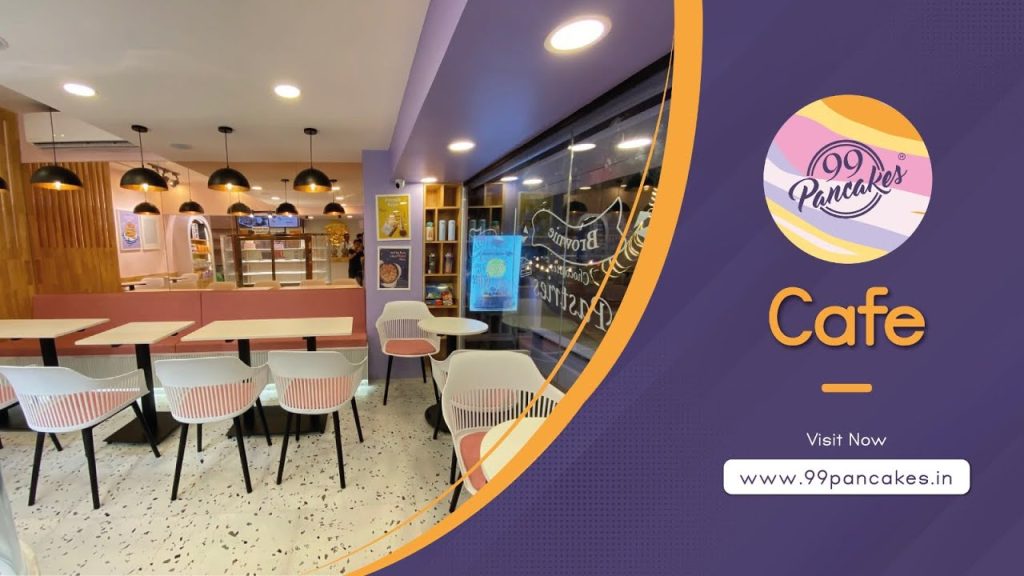
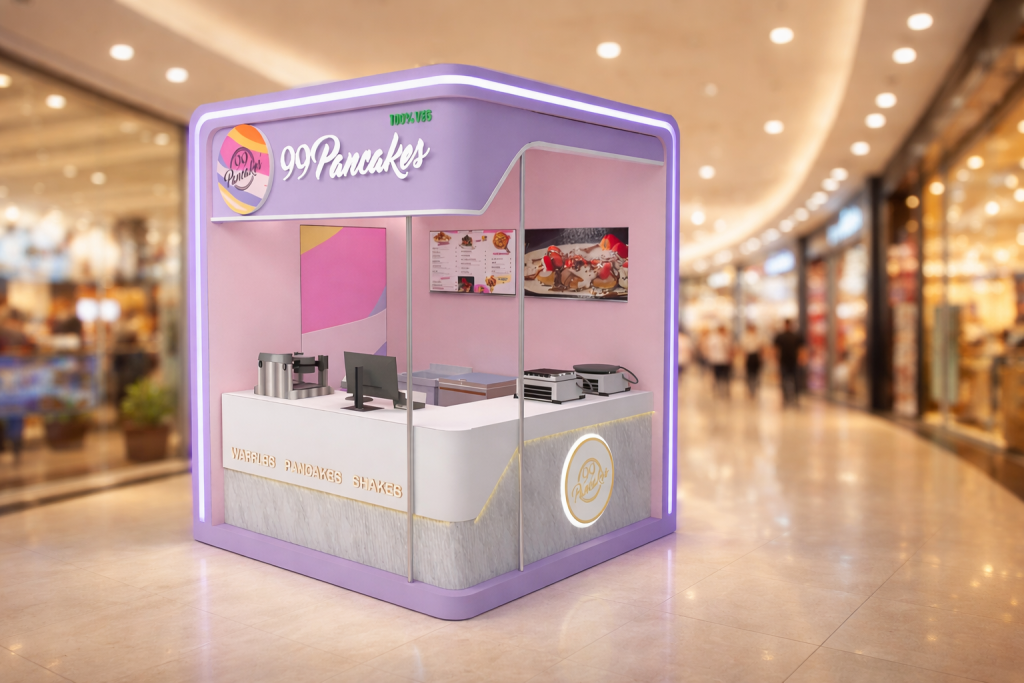
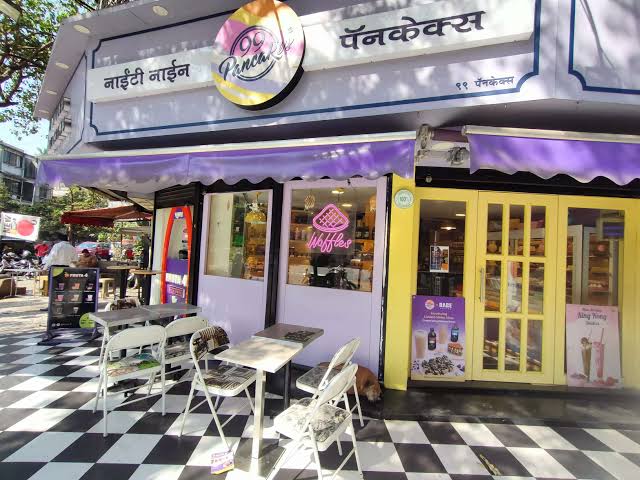
99 Pancakes franchise occupies a specific and commercially defensible niche in India’s food service landscape: a specialty pancake and crêpe format that targets families and individuals seeking a distinct eat-out and delivery occasion at accessible premium pricing. The brand’s product focus — pancakes as the core offering rather than a menu item among many — differentiates it from the general café and bakery formats that dominate the mid-investment food franchise category. Specialty single-product concepts that execute their core item at a high standard consistently outperform multi-format competitors on two dimensions: product reputation and operational efficiency. A customer who wants a pancake experience in their city does not need to browse multiple brands — they seek the format specifically, and the 99 Pancakes brand is among the few organized operators in this category with 18 years of market presence and a 50 to 100 outlet network to demonstrate sustained consumer demand.
Why This Food Format Is Growing in India Right Now
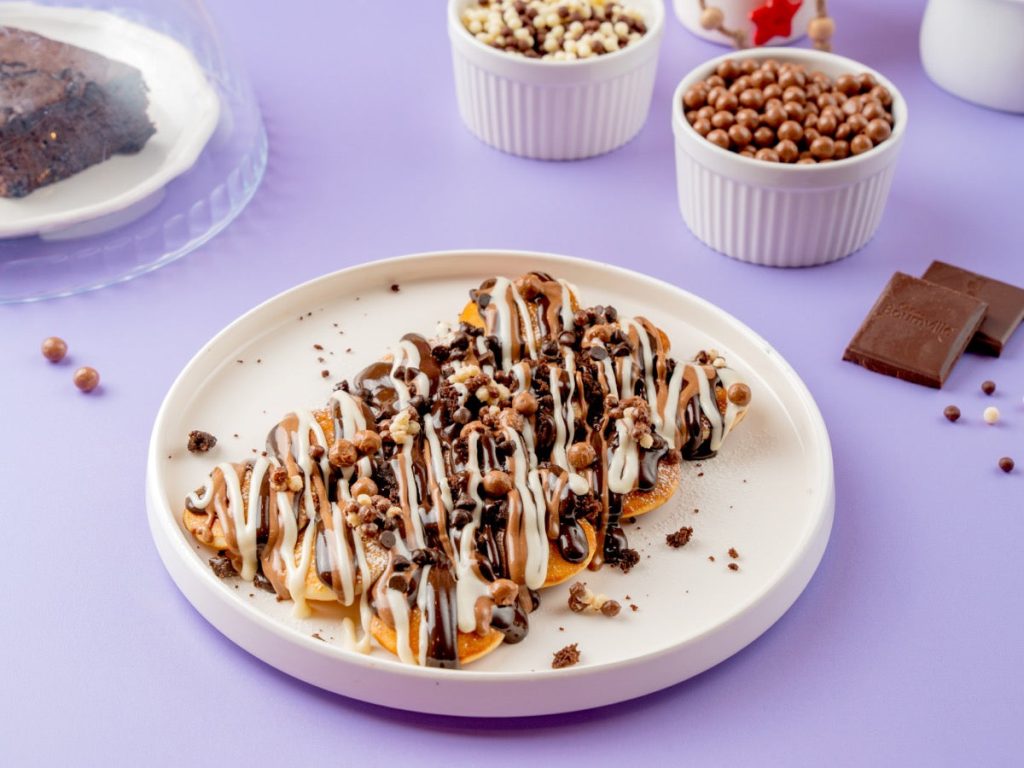
The specialty dessert and breakfast food category is being driven by a specific behavioral shift among Indian urban consumers. Weekend breakfast culture — dining out on Saturdays and Sundays at a venue that offers a different experience from a standard restaurant — has grown substantially across cities as dual-income households allocate discretionary time and spending to food experiences. Pancakes with specialty toppings, chocolate sauces, and fruit compotes photograph well, which makes them naturally suited to the social media sharing behavior that drives organic consumer awareness for specialty food brands. Every customer who shares a 99 Pancakes photograph creates awareness that the brand does not pay for directly.
Simultaneously, the delivery adoption that has normalized ordering restaurant-quality food at home has expanded the addressable market for specialty food formats. A family that visits a pancake outlet on a weekend might also order for a midweek breakfast occasion or a children’s birthday breakfast party — occasions that a delivery platform handles without requiring the customer to make the trip. The 99 Pancakes format captures both in-store and delivery demand within the same outlet, which is structurally more efficient than formats that require separate infrastructure for the two channels.
What 99 Pancakes Does Differently From Independent Food Outlets
An independent pancake café attempting to establish itself in the same market as a 99 Pancakes franchise faces a brand recognition problem that no product quality can fully overcome in the early months. A consumer choosing between a known brand with visible franchise presence and an independent outlet they have never encountered defaults to the known option when both are available — particularly for a first visit. The 99 Pancakes franchise transfers this brand recognition advantage to a new franchisee from day one, which compresses the customer acquisition timeline that an independent starting from zero must work through.
The operational systems the franchise provides are equally significant. Pancake quality is sensitive to batter formulation, cooking temperature, and topping execution — three variables that an independent getting this right consistently across multiple staff members and shifts is harder to achieve without a tested standard operating procedure. The 99 Pancakes system documents and trains these specifics, which means the franchise’s product consistency is more reliably maintained than an independent relying on individual staff competency. The 7 percent royalty structure — notably lower than the 15 to 30 percent royalty rates that competing food franchise formats often carry — means the franchisee retains a materially larger share of gross revenue to cover operating costs and generate net income.
The Investment Case: How 99 Pancakes Compares at This Price Point
The INR 20 to 30 lakh investment at 99 Pancakes includes a ₹6 lakh brand fee and carries a 7 percent ongoing royalty — a royalty structure that is notably lighter than many food franchise systems in the same investment bracket. On a monthly gross revenue of ₹3 lakh, the royalty is ₹21,000, leaving ₹2.79 lakh for the franchisee to cover rent, staff, ingredients, and profit. By comparison, a 15 to 20 percent royalty system at the same revenue would consume ₹45,000 to ₹60,000 — a ₹24,000 to ₹39,000 monthly differential that compounds materially across the 12 to 18 month break-even period. The royalty structure is therefore not a peripheral detail; it is a primary determinant of unit economics.
The network’s growth at 4.2 new units per year over 7 years of franchising signals sustained franchisee recruitment — consistent with a system that has produced commercially viable results for existing franchisees rather than depending on promotional incentives to attract new entrants. The anticipated 100 percent return on investment over a 2 to 3 year payback period is an investor-level target that the franchisee’s location quality and operational engagement will determine whether it is achievable in practice.
Geographic Opportunity: Where 99 Pancakes Is Expanding
With 50 to 100 outlets, 99 Pancakes has established a meaningful network while leaving substantial Indian market territory uncommitted. Tier 2 cities — Indore, Jaipur, Lucknow, Coimbatore, Nagpur, Bhopal — represent the most commercially interesting near-term expansion opportunity, where weekend dining culture is growing, specialty food formats have limited organized competition, and the aspirational consumer for international food experiences is expanding faster than branded supply can currently meet. A franchisee entering one of these markets ahead of the brand’s further expansion builds consumer loyalty and location presence that later entrants must compete against from a standing start.
Territory allocation and exclusivity terms are confirmed during the franchise evaluation process. Given the format’s 400 to 600 square foot space requirement, which is achievable in most Tier 2 commercial corridors at commercially viable rental rates, the investment level is compatible with the unit economics the brand projects in markets outside metro rental environments.
The Risks of This Category and How 99 Pancakes Mitigates Them
Delivery platform margin pressure is a structural feature of Indian food delivery that the 99 Pancakes model partially manages through its 7 percent royalty structure — the low royalty leaves more effective margin per transaction available to absorb delivery commission costs than higher-royalty alternatives. Raw material volatility — flour, butter, dairy, specialty toppings — affects all food franchise formats; the brand’s standardized recipes and batch production methodology provide cost predictability within a shift that ad-hoc production does not. FSSAI compliance for a food service outlet at this scale is annual and standard; the brand’s operational framework covers food safety requirements during training. Location dependency — revenue sensitivity to foot traffic quality — is the risk the franchise’s site selection guidance reduces but cannot eliminate, and the franchisee’s own local market judgment is the final determinant of whether a specific location’s catchment generates the daily customer volumes the format requires.
Who Captures the Most Value From a 99 Pancakes Franchise
The 99 Pancakes franchisee who reaches break-even at nine months consistently combines three things: a location in a high-footfall area with weekend dining culture — near residential colonies, premium commercial strips, or active mall corridors — with active presence on delivery platforms from day one, and a local social media strategy that leverages the visual appeal of the product to generate organic awareness before paid marketing becomes necessary. The pancake format’s photographic quality is a genuine marketing asset: a well-presented stack with chocolate drizzle and fresh fruit generates sharing behavior that costs the franchisee nothing after the product is sold. Franchisees who treat this organic channel as a structured daily activity — ensuring product presentation quality on every order — build a word-of-mouth customer acquisition pipeline that compounds across the first year in a way that passive walk-in marketing alone cannot replicate. The 99 Pancakes franchise rewards operators who understand they are managing a social product as much as a food product.
Accepting franchise applications in 34 states & UTs
How does 99 Pancakes compare to other food franchises in the same investment range?
At INR 20 to 30 lakh, 99 Pancakes carries a 7 percent royalty structure — significantly lower than the 15 to 30 percent rates that competing mid-investment food franchises commonly charge. The specialty single-product positioning differentiates the brand from the general café and bakery formats that dominate this investment range, and the product's social media visibility provides an organic marketing dimension that generic food service formats lack. The combination of a low royalty, specialty positioning, and a 7-year franchise track record makes the 99 Pancakes franchise a commercially distinctive option at this price point.
Does 99 Pancakes work in Tier 2 and Tier 3 cities in India?
Tier 2 cities with growing weekend dining cultures and aspirational food consumption behaviors are among the strongest near-term opportunities for 99 Pancakes franchise. These markets have the consumer demographics the format targets — families and young professionals with disposable income for specialty food experiences — and significantly less organized competition than metros. A 99 Pancakes outlet in a well-chosen Tier 2 location can build local brand recognition more quickly than in a market already saturated with organized specialty food alternatives.
What is the 99 Pancakes franchise expansion plan for the next two years?
99 Pancakes has expanded at 4.2 new units per year across its franchising history and continues to recruit franchise partners across Indian markets. Specific expansion targets and geographic priorities are discussed during the franchise inquiry process. Prospective franchisees should engage directly with the brand to understand which cities are currently being recruited for and what territory provisions apply to their proposed location, particularly given the brand's ongoing expansion in Tier 2 markets.
How does 99 Pancakes handle competition from food delivery aggregators?
The 99 Pancakes model treats delivery platforms as a customer acquisition and revenue supplementation channel rather than a primary commercial dependency. The format's in-store experience — watching pancakes prepared and assembled — is a dine-in draw that delivery cannot replicate. The 7 percent royalty structure leaves meaningful margin above the delivery commission cost per order, making aggregator revenue commercially viable rather than margin-destroying. Franchisees who develop a direct ordering relationship with regular customers through WhatsApp or social media reduce their long-term platform dependence as the customer base matures.
What support does 99 Pancakes provide for local marketing?
99 Pancakes provides brand materials, operational training, and the brand identity infrastructure that supports local marketing activation. The franchise's social media-friendly product makes local content creation straightforward for franchisees — well-photographed food content generates organic reach that amplifies any paid marketing investment. The brand's national presence provides credibility that reduces the local trust-building burden for new franchise locations. Specific marketing support programs and their scope are confirmed during the franchise onboarding process, where the division between brand-level and franchisee-level marketing responsibilities is outlined.
Disclaimer: All scores, rankings, and estimates on ForeFind are independently produced editorial assessments using publicly available data and validated brand-submitted information. They are not verified facts, financial advice, or investment recommendations. Full Disclaimer.
