



St. Vivekanand Lotus Valley Public School Franchise
Brand & Franchise Snapshot
| Brand Name | St. Vivekanand Lotus Valley Public School |
|---|---|
| Industry | Education |
| Business Category | Schools |
| Founded Year | 1954 |
| Franchise Started Year | 2019 |
| Total Franchise Outlets | 10–20 |
| Estimated Investment | INR 10–20 Lakh |
| Franchise Fee | INR 5 Lakh |
| Royalty Fee | 6% of revenue |
| Space Requirement | 2,000–50,000 sq.ft |
| Staff Requirement | Depends on student intake and courses offered |
| Expected Payback Period | 3–5 years |
1. What is St. Vivekanand Lotus Valley Public School?
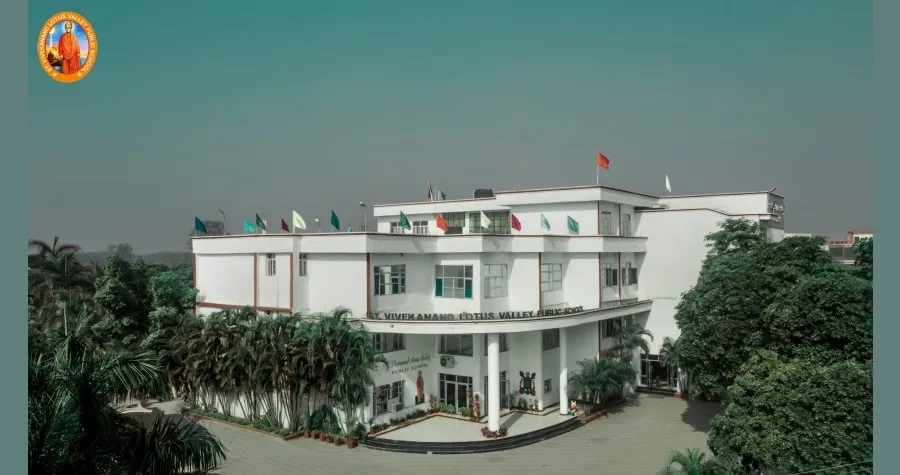
St. Vivekanand Lotus Valley Public School is an educational institution in Yamuna Nagar providing K–12 schooling based on CBSE curriculum. The school emphasizes holistic development through academic excellence, character building, extracurricular engagement, and social responsibility. It falls within the broader education franchise category, catering to families seeking structured and value-driven schooling.
2. The Business Concept
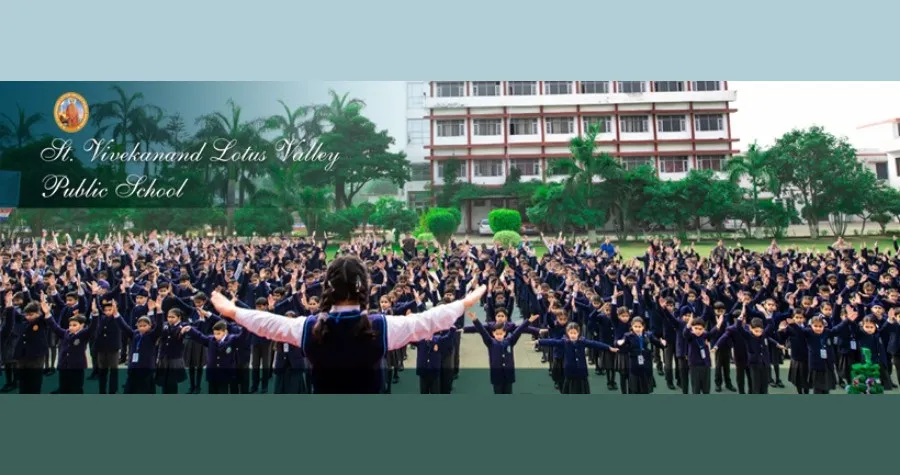
The core concept combines academic rigor with holistic education. Students engage in classroom learning, skill-building, cultural activities, sports, and social responsibility programs. Franchise outlets replicate the same educational framework, integrating structured teaching methods with student-focused developmental programs. This model differs from typical schools by combining CBSE education with character development, environmental awareness, and leadership initiatives.
3. How the Business Operates
Students enroll for the academic year, attending classes and participating in structured learning and co-curricular activities. Franchise operations involve day-to-day classroom management, teacher-led instruction, activity supervision, and student assessment. Revenue is generated through tuition fees, extra-curricular program fees, and educational materials. Operational workflow includes admissions management, curriculum delivery, faculty coordination, and administrative oversight.
4. Products or Services Portfolio
| Academic Programs | CBSE-based syllabus for primary, middle, and senior levels |
|---|---|
| Extracurricular Activities | Sports, music, dance, drama, and visual arts |
| Skill Development | Workshops in digital literacy, public speaking, and practical learning |
| Student Services | Career counseling, leadership training, and environmental education |
| Community Engagement | Participation in social service initiatives and outreach programs |
5. Franchise Structure and Operating Model
Franchise partners operate under the brand’s educational framework, managing school infrastructure, student enrollment, faculty, and daily operations. Responsibilities include maintaining academic standards, implementing CBSE curriculum, and managing extracurricular programs. The franchisor provides curriculum guidelines, teacher training, school design consultation, and operational support to ensure uniform quality across outlets.
6. Investment and Startup Requirements
| Investment Range | INR 10–20 Lakh |
|---|---|
| Franchise Fee | INR 5 Lakh |
| Setup Costs | Infrastructure (classrooms, labs, playgrounds), staff recruitment, teaching resources, and administrative systems |
| Royalty | 6% of revenue to maintain franchise support, training, and brand usage |
7. Outlet Setup and Infrastructure
| Space Requirement | 2,000–50,000 sq.ft depending on student capacity |
|---|---|
| Preferred Locations | Urban and semi-urban areas with educational demand |
| Equipment Needs | Classrooms, science/computer labs, library resources, sports facilities |
| Staffing Considerations | Teachers, administrative staff, sports coaches, and support personnel |
8. Franchise Support and Training
Franchise partners receive:
- Guidance on curriculum implementation and teaching methodologies
- Assistance in faculty recruitment and training programs
- Architectural and design consultation for campus setup
- Support for CBSE affiliation and regulatory compliance
- Study materials, student management systems, and administrative procedures
9. Revenue Model and Profit Considerations
Revenue is primarily derived from tuition fees, program fees, and ancillary student services. Demand is driven by the school’s reputation, academic results, and holistic offerings. Repeat enrollment is high due to multi-year schooling. Operational costs include faculty salaries, facility maintenance, and administrative expenses. Expected payback period is 3–5 years, depending on student intake and fee structures.
10. Brand Background and Growth
Founded in 1954, the school has a legacy of over six decades in education. Franchising began in 2019 to expand into tier-2 cities and beyond. Current franchise outlets number between 10–20, aiming to replicate the core academic and holistic education model. Expansion plans focus on offering quality education to underserved regions while maintaining the school’s high standards.
11. What Makes This Franchise Different
The school combines CBSE academic rigor with a structured approach to holistic development, emphasizing:
- Character and leadership training integrated with classroom learning
- Community engagement and environmental education
- Technology-enabled teaching while preserving traditional values
- A replicable operational model for franchise scalability
- Multi-dimensional student growth beyond academic performance
12. Key Advantages of the Franchise
- Strong demand for quality K–12 education
- Scalable operational framework with replicable curriculum
- High retention and multi-year student engagement
- Comprehensive support in infrastructure, curriculum, and faculty training
- Potential for network growth into new urban and semi-urban regions
13. Who Should Consider This Franchise
- Entrepreneurs with interest in the education sector
- Investors seeking stable, long-term returns from school operations
- Educators aiming to establish branded institutions
- Operators focusing on holistic student development and community engagement
15. Similar Franchise Opportunities
- Ryan International School
- Delhi Public School (DPS)
- Kothari International School
- GEMS Education Schools
These franchises provide comparable opportunities in K–12 education, combining structured academic programs with extracurricular and holistic development.
Accepting franchise applications in 27 states & UTs
What investment is required for St. Vivekanand Lotus Valley Public School franchise?
Initial investment ranges from INR 10–20 Lakh, covering infrastructure, staff recruitment, and franchise fees.
How does the franchise operate?
Franchisees manage daily academic operations, extracurricular programs, and administrative functions, following standardized CBSE curriculum and school guidelines.
What space is required for the franchise?
Outlets require 2,000–50,000 sq.ft depending on enrollment and campus facilities.
How long does it take to recover the investment?
Expected payback period is 3–5 years, influenced by student enrollment and fee structures.
How can investors apply for the franchise?
Interested parties can contact the franchise team to receive guidance on setup, training, curriculum, and regulatory compliance. ## 15. Similar Franchise Opportunities
Disclaimer: All scores, rankings, and estimates on ForeFind are independently produced editorial assessments using publicly available data and validated brand-submitted information. They are not verified facts, financial advice, or investment recommendations. Full Disclaimer.
