



What Liberty Shoes Ltd Sells and Who Buys It
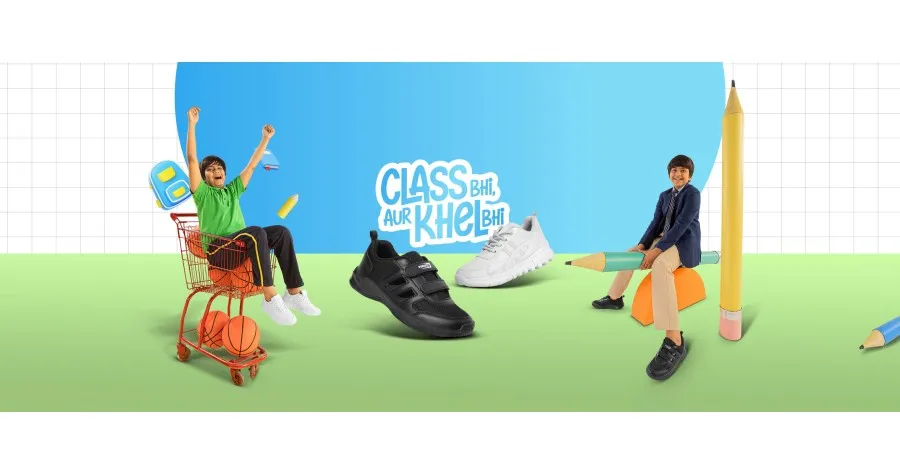
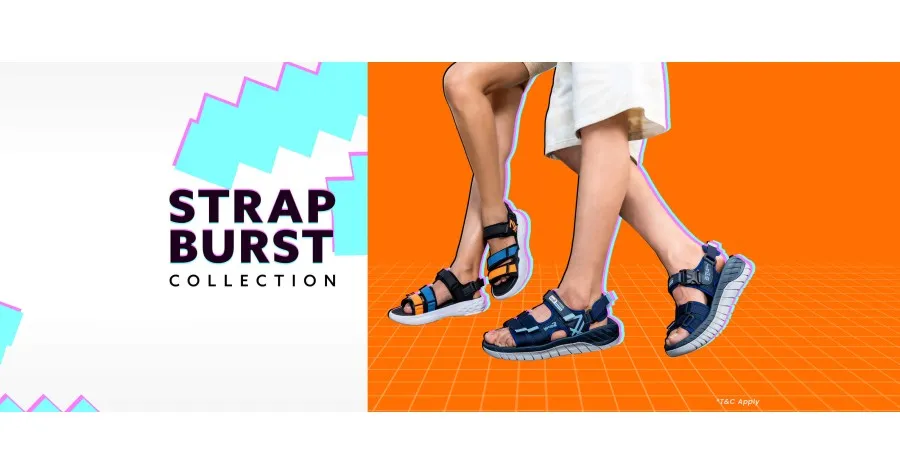
A Liberty Shoes Ltd franchise store stocks a wide footwear range spanning casual, formal, and sports-oriented shoes, built to serve entire households rather than a single demographic niche. The core consumer here is typically a value-conscious family shopper who wants reliable construction and a recognizable name without paying premium international pricing, alongside a meaningful share of customers who specifically come in for sports and fitness footwear as part of their broader athletic gear shopping. What sustains repeat purchase in this category isn’t novelty but consistency, a customer who finds a comfortable, durable pair for their child or for their own daily wear tends to return for the next size or the next season’s pair, provided the store keeps that trust intact through consistent quality and service across visits.
What Happens in a Liberty Shoes Ltd Store Every Day
The store day begins with a stock check against the previous evening’s sales log, confirming that what the system says should be on the shelf actually is, followed by a quick tidy-up of display sections that customers may have disturbed the day before. Through operating hours, trained staff handle the bulk of customer interaction, fitting assistance, and basic billing, freeing the franchisee to focus on the decisions that genuinely need ownership-level judgment, things like approving exchanges on borderline cases, monitoring which sizes or styles are running low, and watching overall footfall patterns through the day. Evening closing routines center on reconciling the point-of-sale terminal against physical cash and digital payment records, a step that needs to happen daily rather than periodically, since small discrepancies left unaddressed for a week become much harder to trace back to their source. The franchisee’s direct presence matters most at these two bookend moments of the day, when financial accuracy and the next day’s stock readiness are actually being set.
Merchandise Planning, Display and Visual Standards
Within a 500 to 1,000 square foot format, shelf and display planning has real consequences for sales, since footwear needs enough visual breathing room for customers to browse comfortably without the store feeling cluttered. New seasonal ranges typically arrive at intervals tied to footwear’s natural seasonal cycle, meaning a few major range refreshes through the year rather than constant weekly rotation, which gives the franchisee a predictable rhythm to plan floor resets around. Stock that isn’t moving at expected pace is usually handled through structured markdown periods or bundled promotional pricing rather than being left on full-price display indefinitely, since unsold inventory ties up both shelf space and working capital. Keeping the store visually aligned with brand standards, correct signage, organized shelving by category and size, clean window displays, is ultimately the franchisee’s daily responsibility, even when staff handle the physical restocking work.
Staff Requirements and the Hiring Reality
Operating a Liberty Shoes Ltd store calls for a team of three to ten people across sales, billing, and stockroom duties, and in a Tier 2 city this hiring task carries its own specific challenges. Candidates with prior organized-retail experience are genuinely thin on the ground outside major metros, so most successful franchisees adjust their hiring approach to prioritize attentiveness and willingness to learn over a polished retail resume, then build product and fitting knowledge through hands-on training during the first weeks of employment. Keeping that team intact over time tends to depend less on matching metro-level salaries and more on offering clear, fair scheduling, visible incentive structures tied to sales performance, and a sense that the job has some room to grow, since staff who feel stuck in a dead-end counter role rarely stay past their first few months regardless of pay.
Supply Chain, Reordering and Inventory Management
Reordering follows the natural movement of each category, fast-selling sizes and popular styles get replenished more often than niche or slow-moving lines, and franchisees who track this carefully avoid the twin traps of overstocking dead inventory and running out of their actual bestsellers. Lead time between placing a reorder and receiving fresh stock can range from several days to a couple of weeks depending on the specific product line and regional distribution logistics, which means franchisees need to reorder proactively, before a shelf actually empties out, rather than reactively once a customer has already walked away disappointed. Minimum order quantities are a real consideration for a store of this size, since over-committing to a size or style that doesn’t sell through locally ties up capital that would be better deployed on faster-turning stock. When a specific popular item does sell out ahead of schedule, well-trained staff typically redirect the customer to a comparable in-stock alternative rather than losing the sale entirely.
Brand Support: Marketing, Promotions and National Campaigns
At the store level, marketing support generally arrives as ready-made promotional assets, festive and seasonal campaign templates, and a centrally planned calendar of offers that franchisees can adapt to their specific location. The franchisee typically funds local execution costs, such as area-specific promotion, local print or digital advertising, and in-store event expenses, while the brand handles the broader creative direction and campaign timing so individual stores aren’t designing marketing from a blank page. National campaigns get activated locally by adjusting the centrally provided offer structure to the store’s actual inventory mix and footfall pattern, meaning the franchisee’s real job is thoughtful local execution of a plan the brand has already built rather than independent campaign creation.
Who Runs a Liberty Shoes Ltd Store Successfully
The franchisee who performs well here is reliably present on the floor during the store’s busiest hours, has taken time to understand exactly what the local customer base actually buys and why, and treats regular merchandise refresh and stock rotation as a standing operational habit rather than something to handle only when reminded. A real comfort with footwear and sports retail specifically helps, since it shapes more informed conversations with customers about fit and use. Investors who hand off all day-to-day store management to staff from the very first week, without first learning the operational rhythm themselves, consistently struggle to catch the small issues, a mispriced item, a misplaced display, a staff shortcut on closing procedure, before those small issues compound into bigger losses.
Accepting franchise applications in 23 states & UTs


What space is required for a Liberty Shoes Ltd franchise store?
A Liberty Shoes Ltd franchise store requires between 500 and 1,000 square feet, typically positioned on a high-street or commercial location with strong walk-in visibility.
How long does the setup process take for a Liberty Shoes Ltd store?
Setup involves finalizing the location, store fit-out, opening inventory procurement, and staff hiring and training, a process that moderate-complexity footwear retail formats typically complete within a few weeks once the site is confirmed.
What product training and retail operations training does Liberty Shoes Ltd provide?
Franchisees and their staff are guided through product knowledge, billing and point-of-sale procedures, and visual merchandising standards, equipping the team to manage daily store operations independently from launch.
Can a Liberty Shoes Ltd store be run semi-absentee with a store manager in place?
While a trained store manager can oversee daily floor operations, stores tend to perform best when the franchisee stays closely involved in inventory decisions, staff oversight, and presence during peak shopping hours rather than stepping back entirely.
How does Liberty Shoes Ltd support franchisees during festive season demand peaks?
During major festive and seasonal shopping periods, franchisees typically receive promotional campaign material and marketing guidance from the brand, which they adapt locally alongside adjusted inventory and staffing levels to meet the temporary surge in footfall.
Disclaimer: All scores, rankings, and estimates on ForeFind are independently produced editorial assessments using publicly available data and validated brand-submitted information. They are not verified facts, financial advice, or investment recommendations. Full Disclaimer.
