



Junior Delhi School Franchise
Franchise Quick Facts
| Brand Name | Junior Delhi School |
|---|---|
| Industry / Business Category | Preschool & Early Childhood Education |
| Founded Year | 2015 |
| Franchise Started Year | 2015 |
| Total Franchise Outlets | 100–200 |
| Estimated Investment | INR 10–20 Lakh |
| Franchise Fee | INR 5,00,000 |
| Royalty Fee | 15% |
| Space Requirement | 3000–6000 Sq.ft |
| Staff Requirement | Teachers, caregivers, administrative staff |
| Expected Payback Period | 1–2 Years |
1. What is Junior Delhi School?
Junior Delhi School is a preschool franchise operating in the early childhood education sector, offering structured learning programs and childcare services for young children. It focuses on early education combined with developmental activities, serving families seeking organized preschool education and foundational learning environments.
2. How the Business Works
The business operates as a preschool center where children are enrolled into age-based learning programs. Daily activities include classroom teaching, guided play, skill development sessions, and supervised care.
Revenue is generated through admission fees, monthly tuition, daycare services, and activity-based programs. Operations follow a structured curriculum supported by trained educators and standardized processes.
3. Products or Services Offered
Core Education Programs
- Playgroup and pre-nursery programs
- Nursery and kindergarten classes
Development-Focused Learning
- Cognitive and skill development activities
- Social and emotional learning modules
- Creative and interactive classroom sessions
Childcare Services
- Supervised daycare and extended care programs
Additional Features
- Parent engagement initiatives
- Activity-based curriculum delivery
4. How the Franchise Model Works
Franchise partners establish and operate a preschool under the Junior Delhi School brand. The franchisee is responsible for infrastructure setup, staff recruitment, student enrollment, and daily operations.
The franchisor provides curriculum frameworks, branding, operational systems, and training. The relationship is structured to maintain standardized teaching quality and consistent brand experience across locations.
5. Franchise Cost and Investment Overview
| Estimated Investment | INR 10–20 Lakh |
|---|---|
| Franchise Fee | INR 5,00,000 |
| Royalty Fee | 15% of revenue |
Cost Components Include
- Interior setup and classroom infrastructure
- Learning materials and teaching aids
- Branding and marketing setup
- Staff salaries and operational expenses
This cost structure aligns with typical preschool franchises where curriculum, brand support, and training form a significant part of the investment.
6. Space and Infrastructure Requirements
| Space Requirement | 3000–6000 Sq.ft |
|---|---|
| Preferred Location | Residential areas with high family density |
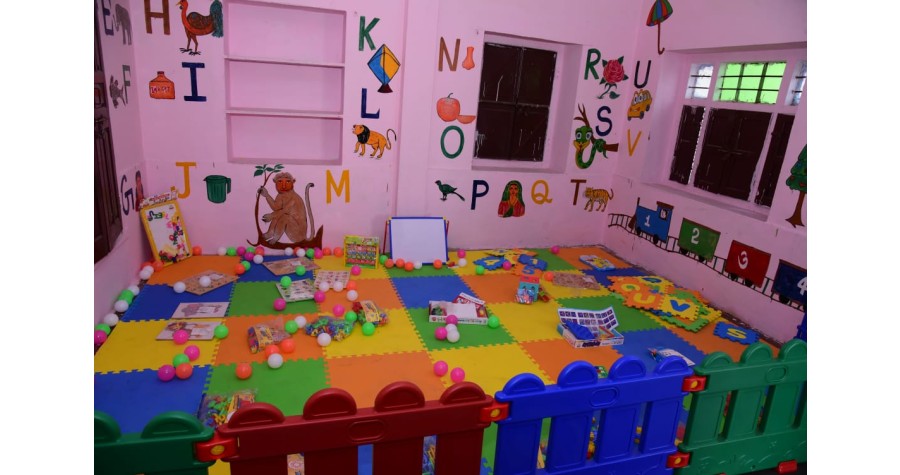
| Infrastructure Needs | Classrooms, activity areas, play zones, safety installations |
| Staffing Needs | Qualified teachers, assistants, and administrative personnel |
The larger space requirement reflects the need for multiple classrooms and activity zones to support structured early education programs.
7. Training and Franchise Support
Franchisees receive structured support systems designed for education operations:
- Training for teachers and operational staff
- Curriculum implementation guidance
- Setup assistance including infrastructure planning
- Marketing and branding support
- Ongoing academic and operational updates
These systems help maintain consistent education standards and streamline daily operations.
8. Revenue Model and ROI Factors
Revenue is primarily generated through admission fees and recurring monthly tuition. Additional income may come from daycare services, activity programs, and special events.
Demand is driven by urban population growth and increasing preference for structured early education. The expected payback period of 1–2 years depends on enrollment levels, fee structure, and local demand conditions.
9. Brand History and Expansion
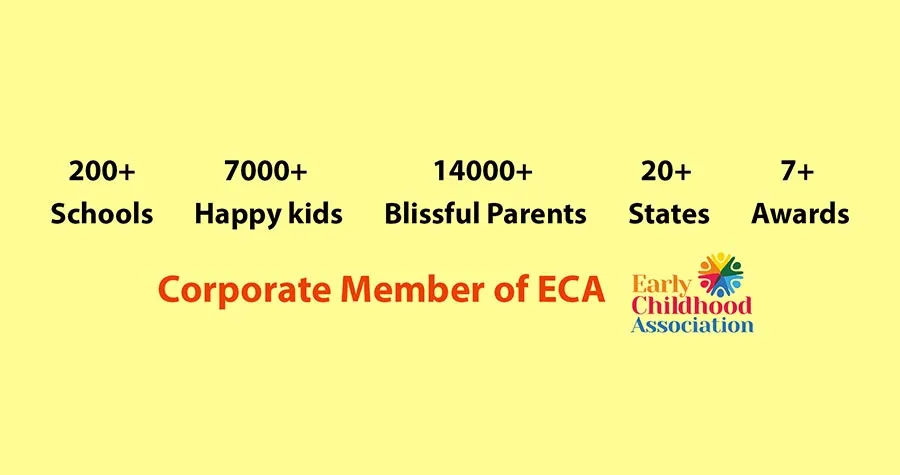
Junior Delhi School began operations in 2015 and expanded through a franchise model in the same year. The brand has grown to a network of over 100 centers across multiple regions in India.
Expansion has focused on residential markets with demand for organized preschool education and childcare services.
10. Key Advantages of the Franchise
- Established presence with multi-location network
- Recurring revenue model through tuition-based income
- Growing demand for preschool education
- Structured curriculum and operational systems
- Scalable model across urban and semi-urban markets
11. Who Should Consider This Franchise
- Entrepreneurs interested in the education sector
- Investors seeking stable, recurring income businesses
- Individuals with access to residential catchment areas
- First-time business owners looking for structured models
- Professionals interested in early childhood development services
Similar Franchise Opportunities
- Kidzee – Large preschool network with standardized curriculum
- EuroKids – Urban-focused preschool franchise
- Bachpan Play School – Cost-efficient preschool model
- Hello Kids – Flexible preschool formats
- Little Millennium – Structured early education programs
Accepting franchise applications in 33 states & UTs
What is the investment required for Junior Delhi School franchise?
The investment typically ranges from INR 10–20 Lakh, including infrastructure setup, learning materials, and operational costs. A franchise fee of INR 5 Lakh is required, along with ongoing royalty payments.
How does the Junior Delhi School franchise business work?
The franchise operates as a preschool offering structured learning programs. Revenue comes from admissions, tuition fees, and daycare services, while the franchisor provides curriculum, training, and operational support.
What space is required for the franchise?
A space of 3000–6000 Sq.ft is generally required to accommodate classrooms, play areas, and activity zones. Locations in residential areas with high population density are preferred for steady enrollment.
How long does it take to recover the investment?
The expected payback period is around 1–2 years. Actual timelines depend on student enrollment, fee structure, and operational efficiency.
How can investors apply for the franchise?
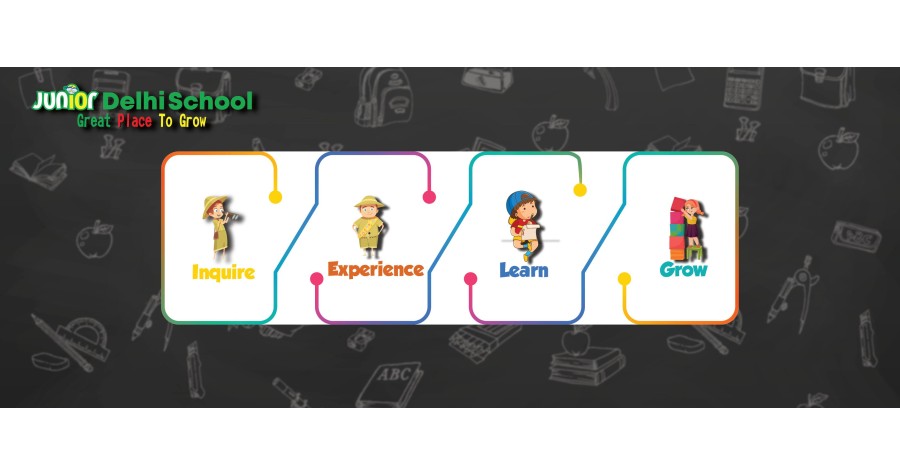
The process typically involves submitting an inquiry, evaluating location feasibility, finalizing agreements, completing setup, and launching operations with training and support from the franchisor. ## Similar Franchise Opportunities
Disclaimer: All scores, rankings, and estimates on ForeFind are independently produced editorial assessments using publicly available data and validated brand-submitted information. They are not verified facts, financial advice, or investment recommendations. Full Disclaimer.
