


I Dig History in the Context of India’s Travel and Hospitality Growth
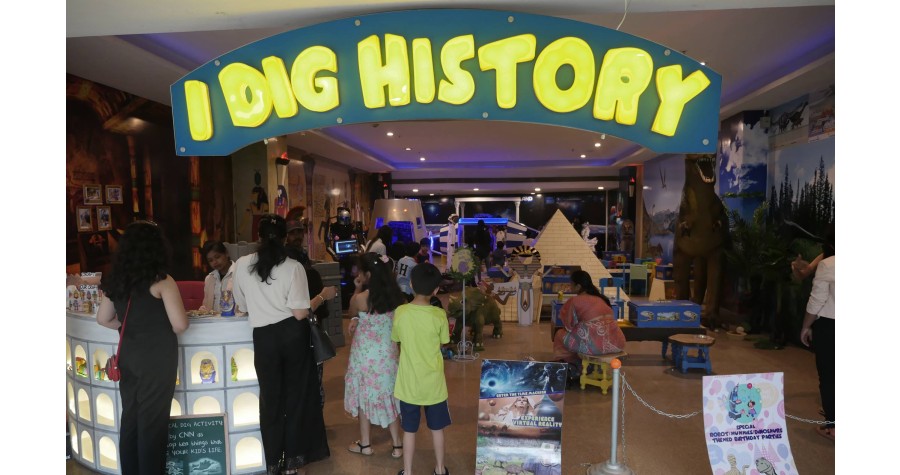
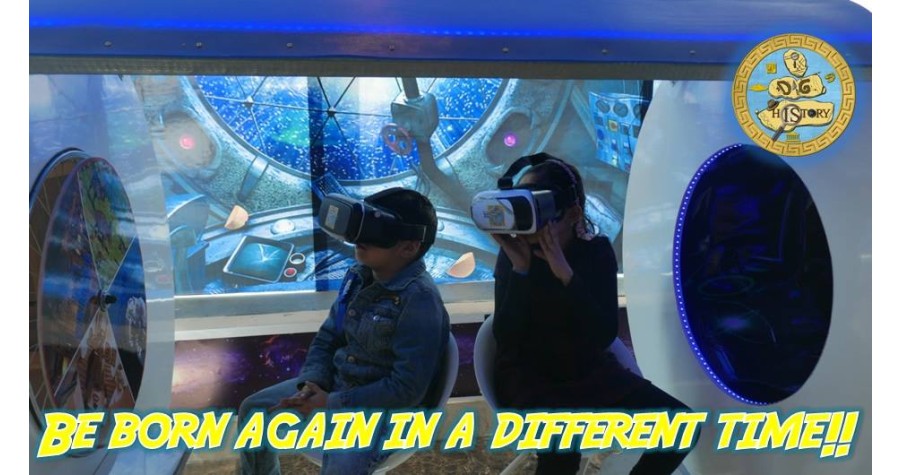
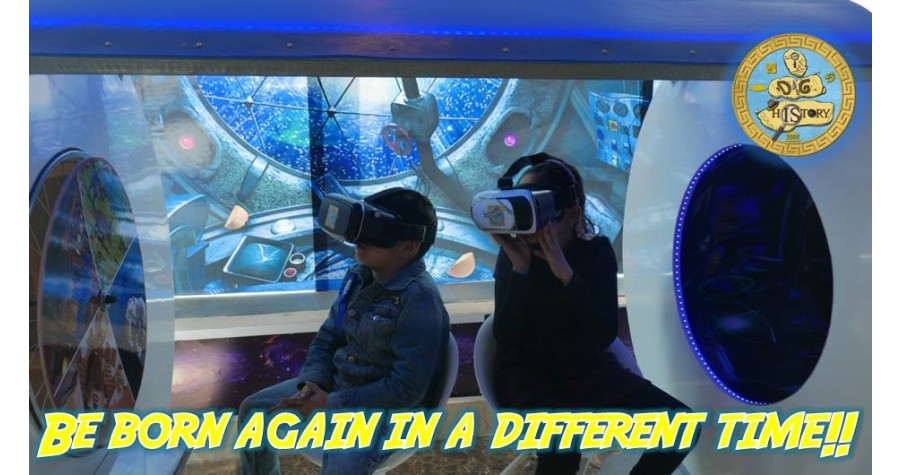
I Dig History franchise sits inside the experiential leisure segment of India’s travel and hospitality economy, built around a hands-on, museum-style format where children engage with history through guided digs, immersive technology, and craft-based activities rather than passive sightseeing. It is positioned to capture a structural shift in how urban Indian families spend their leisure time: away from purely passive entertainment and toward experiences that parents perceive as educational, memorable, and worth paying a premium for. This places the brand closer to the experiential tourism and edutainment intersection than to traditional hospitality, catering to a family audience that increasingly evaluates a weekend outing by what a child takes away from it, not just how the time was filled.
Why Travel and Hospitality Demand Is Structurally Growing in India
India’s middle-class household has more disposable income earmarked for leisure than it did a decade ago, and a meaningful share of that spending is shifting toward experiences rather than physical goods. Domestic tourism itself has broadened well beyond traditional pilgrimage and heritage-site circuits, with families increasingly building weekend and short-break itineraries around activity-based venues in their own city or a nearby Tier 1 or Tier 2 hub. For a format like I Dig History, this matters directly: as urban families look for activities that justify both the travel time and the ticket price, an educational-experiential venue benefits from being positioned as a destination in itself rather than a filler stop. The broader undersupply of organised, well-curated family leisure venues outside the largest metro markets gives a brand with this kind of concept room to expand into cities that currently have little beyond malls and standard play centres.
What the I Dig History Franchise Provides That Independent Operators Cannot Match
An independent operator attempting to replicate this concept alone would need to design original activity content, source or build virtual reality and archaeological-dig equipment, and establish credibility with schools and parent communities from a standing start. A franchise structure compresses much of that timeline. Institutional clients — schools planning educational outings, residential communities organising events, corporate family days — tend to respond faster to a name they recognise or can verify through an existing network than to an unfamiliar new venue with no track record. Centralised content development, activity design, and technology sourcing also mean a franchisee isn’t bearing the full cost of building VR experiences or curating dig-based activities independently, which keeps the franchisee’s energy focused on local operations and outreach rather than product invention.
Geographic Opportunity: Where I Dig History Is Expanding in India
With the brand currently operating around ten locations after nearly two decades since its founding, expansion has been deliberate rather than rapid, which suggests a model built for steady, well-chosen rollouts rather than aggressive saturation. The strongest remaining opportunity likely sits in large Tier 2 cities and the outer growth corridors of major metros, where family income levels can support a mid-to-high ticket experiential venue but organised competition in this specific niche remains thin. Mall-anchored and residential-cluster locations with strong school density nearby tend to offer the most reliable catchment, since school partnerships and birthday or group bookings are central to how venues in this category sustain footfall outside peak holiday windows.
Online Disruption and How I Dig History Is Positioned
Online travel and activity aggregators have reshaped how families discover and book leisure experiences, but they have done little to replace the experience itself once a family arrives. For a venue-based format like I Dig History, online platforms function primarily as a discovery and booking layer rather than a competitive threat — a family might find the venue through a listing site or social media, but the actual value delivered happens entirely on-site through guided activities a screen cannot replicate. This gives the brand a complementary rather than adversarial relationship with online discovery channels: digital visibility drives awareness and bookings, while the in-person experience itself remains insulated from substitution by any purely digital alternative.
Competitive Differentiation in an Increasingly Crowded Market
As more entertainment formats compete for the same family leisure budget, what separates I Dig History from a generic play centre or theme-based venue is its specific positioning at the intersection of education and play — archaeological dig activities, virtual reality components, and history-based crafts are a narrower and more distinctive combination than the trampoline parks or ball-pit formats that dominate much of India’s kids’ entertainment supply. For parents actively seeking activities with a learning component attached, this specificity is the differentiator: it is harder for a generic competitor to replicate a curated educational-experiential format than to open another standard play zone.
Who Builds a Profitable I Dig History Franchise
In this category, relationship capital tends to matter more than raw operational efficiency. A franchisee who actively builds relationships with local schools for field-trip bookings, residential associations for community events, and parent networks for word-of-mouth referrals will generally sustain steadier footfall than one relying purely on walk-in weekend traffic. Industry or community-facing experience — having existing access to schools, event planners, or family-oriented networks in the target city — shortens the time it takes to build this pipeline, which is precisely why the brand’s own franchisee profile leans toward established small business owners and professionals who already operate within those circles.
Accepting franchise applications in 35 states & UTs
Disclaimer: All scores, rankings, and estimates on ForeFind are independently produced editorial assessments using publicly available data and validated brand-submitted information. They are not verified facts, financial advice, or investment recommendations. Full Disclaimer.
