



Jin-X Healthcare Pvt Ltd’s Position in India’s Growing Health and Beauty Market
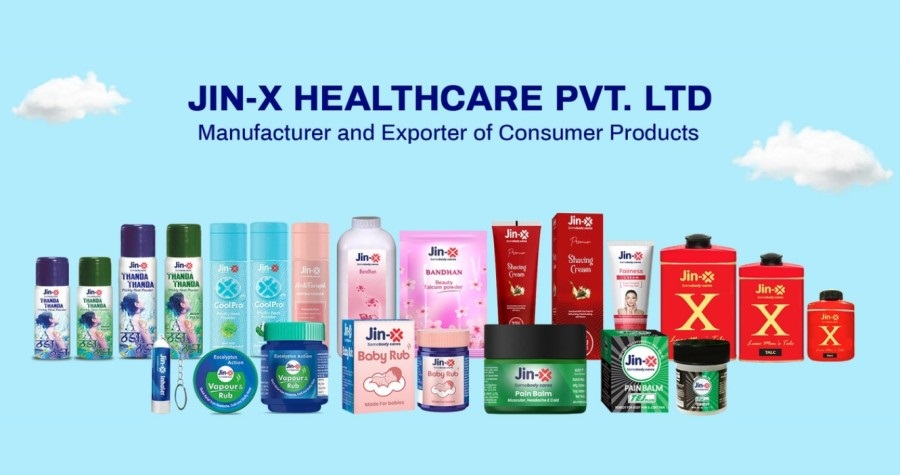
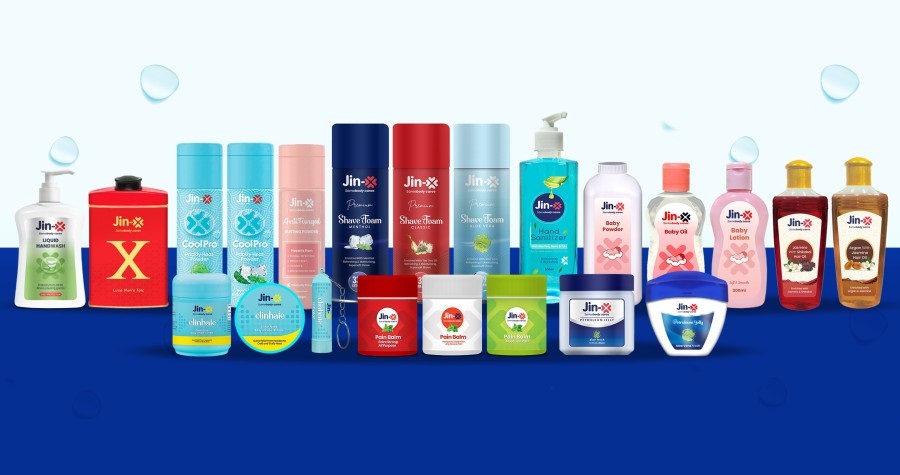
Jin-X Healthcare Pvt Ltd franchise occupies a distinct corner of India’s organised health and personal care economy — the business dealership model for pharma and healthcare products. Rather than running a clinic, salon, or diagnostic counter, a partner under this brand functions as a regional distribution point, moving Ayurvedic, cosmetic, and pharma-adjacent products into retail and institutional channels. This format sits at the intersection of two consumer shifts: the move toward branded, quality-assured personal care items, and the growing comfort Indian households have with buying wellness products from a known dealership rather than an unbranded local supplier. The spread of 200 to 500 active units across the country is not incidental scale — it reflects a network built city by city as local demand for trustworthy product sourcing proved itself repeatedly, market after market.
Why Spending on Health and Beauty Is Growing in India
Household budgets in urban and semi-urban India have steadily reallocated toward personal care and wellness as disposable incomes rise and aspirational buying habits spread beyond metro cities. Categories that were once treated as discretionary — skin care, hair care, daily-use Ayurvedic remedies, grooming essentials — are now recurring monthly purchases for a much wider income band, including first-time earners and homemakers managing family budgets. A parallel shift is happening on the supply side: neighbourhood chemists and general stores that once stocked whatever a local agent offered are increasingly seeking dealers who can guarantee consistent quality, valid licensing, and traceable sourcing. For a category built on Drug License and GST-compliant distribution, this shift toward accountability works directly in the franchise’s favour, since trust in the supply chain becomes as important to the end consumer as the product itself.
Why a Jin-X Healthcare Pvt Ltd Franchise Outperforms an Independent Centre in This Category
An independent operator entering pharma and healthcare distribution without brand backing typically faces two disadvantages: thinner margins on small-volume stock purchases, and the slow, expensive work of building retailer trust from zero. A franchised dealer under an established name with over a decade of market presence and an active base of 200 to 500 units already carries collective purchasing weight, which generally translates into better landed costs per unit than a solo distributor could negotiate alone. There is also a credibility transfer at play — a retailer deciding whether to stock a new supplier’s products will move faster when that supplier already operates visibly across hundreds of other markets in India. None of this removes the need for local hustle, but it compresses the time it takes to get a new dealership generating its first reliable order book.
Geographic Opportunity and Target Locations
With several hundred units already live, the open territory for new Jin-X Healthcare Pvt Ltd franchise partners is concentrated less in metro saturation and more in Tier 2 and Tier 3 towns where organised pharma-adjacent distribution still has gaps. Commercial and high-street micro-markets — areas with active chemist clusters, general trade outlets, and a visible footfall of working professionals — tend to outperform purely residential pockets, since the model depends on B2B relationships with retail partners as much as direct consumer reach. Because the format needs no dedicated retail floor space, the real estate decision is less about a storefront and more about proximity to the trade network the dealer intends to serve: wholesale markets, medical stores belts, and local distribution hubs in growing district towns.
Competitive Differentiation: Why Clients Choose Jin-X Healthcare Pvt Ltd
In a Tier 2 town, a retailer or institutional buyer choosing between suppliers is rarely comparing price alone — consistency of supply and confidence in compliance paperwork weigh just as heavily. A franchised dealer backed by a brand that has sustained operations since 2012 and added an average of close to 27 new units annually offers something an unaffiliated trader struggles to match: a track record visible across multiple states, not just one town. Buyers also gravitate toward suppliers who can be reached easily and who stand behind the products with documentation that satisfies regulatory scrutiny. That combination of reliability and paper-trail credibility, rather than any single hero product, is usually what tips a retailer’s loyalty toward the franchised name over a cheaper but unproven alternative.
The Wellness Economy and Long-Term Category Outlook
India’s organised personal care and wellness distribution sector remains considerably less consolidated than comparable markets in East and Southeast Asia, where branded dealership networks dominate retail shelves almost completely. That gap is the opportunity: as more Indian states tighten enforcement around licensed pharma and healthcare product trade, unorganised local suppliers will face rising compliance costs that smaller players often cannot absorb, while franchised dealerships already built around Drug License and GST frameworks are positioned to absorb that displaced volume. A brand with thirteen years of continuous franchising history and a semi-absentee operating model sits early enough in this consolidation curve that new partners are entering ahead of, rather than behind, the category’s formalisation wave.
Who Builds the Most Valuable Jin-X Healthcare Pvt Ltd Centre
The strongest-performing units tend to belong to operators who treat retailer relationships as the core asset, not the product catalogue itself. Because the model runs semi-absentee with a lean team of two to eight people, the franchisee’s personal time is best spent on trade relationships, credit terms, and order follow-through, while day-to-day stock movement is handled by staff. An owner with a background in pharma distribution or prior healthcare investment tends to ramp up faster, since they already understand chemist-channel buying cycles and seasonal demand swings. For a homemaker, student, or salaried professional entering as a side-income venture, the learning curve is steepest around inventory discipline and retailer credit management — skills that, once built, compound into a dealership that retailers actively prefer to keep ordering from.
Accepting franchise applications in 30 states & UTs
How does Jin-X Healthcare Pvt Ltd compare to other health and beauty franchises at this investment level?
At an entry investment in the tens of thousands of rupees, the Jin-X Healthcare Pvt Ltd franchise sits well below most service-format health and beauty franchises, which typically require dedicated retail space and far higher fit-out costs. The trade-off is that returns depend on building a distribution book rather than walk-in footfall, making it better suited to candidates comfortable with B2B selling than to those expecting a storefront business.
Is a Jin-X Healthcare Pvt Ltd centre viable in Tier 2 and Tier 3 Indian cities?
Yes — the model's reliance on commercial and high-street trade access rather than large catchment footfall makes it especially workable in smaller cities, where retail and wholesale chemist networks are still consolidating and a credible licensed supplier is often actively sought after.
What consumer trend is driving demand for Jin-X Healthcare Pvt Ltd's service category?
Rising household spending on personal care, combined with retailers' growing preference for compliant, traceable suppliers over unorganised local agents, is the primary demand driver behind this dealership category.
How does Jin-X Healthcare Pvt Ltd ensure service quality consistency across its franchise network?
Consistency is maintained through licensing requirements that every dealer must hold, including a Drug License and GST registration, which keep sourcing and documentation standardised regardless of which city a unit operates from.
What is Jin-X Healthcare Pvt Ltd's expansion strategy for India?
The brand's growth pattern, adding new units at a steady annual pace since 2012, points toward continued expansion into underserved Tier 2 and Tier 3 trade belts rather than further density in already-saturated metro markets.
Disclaimer: All scores, rankings, and estimates on ForeFind are independently produced editorial assessments using publicly available data and validated brand-submitted information. They are not verified facts, financial advice, or investment recommendations. Full Disclaimer.
