



Plex Home Entertainment Franchise: Investment, Revenue Model and Return Potential in India’s Travel and Hospitality Sector
The Plex Home Entertainment franchise operates at an intersection that most leisure investors have not yet mapped carefully: premium home cinema, building automation, and residential security systems, delivered through a structured franchise model to urban Indian consumers. With three decades of operating history behind the brand and a growing network of locations in mall and commercial settings, this is not a category entrant finding its footing—it is an established format now in an active expansion phase across a market where residential technology spending is climbing steadily year on year.
About Plex Home Entertainment
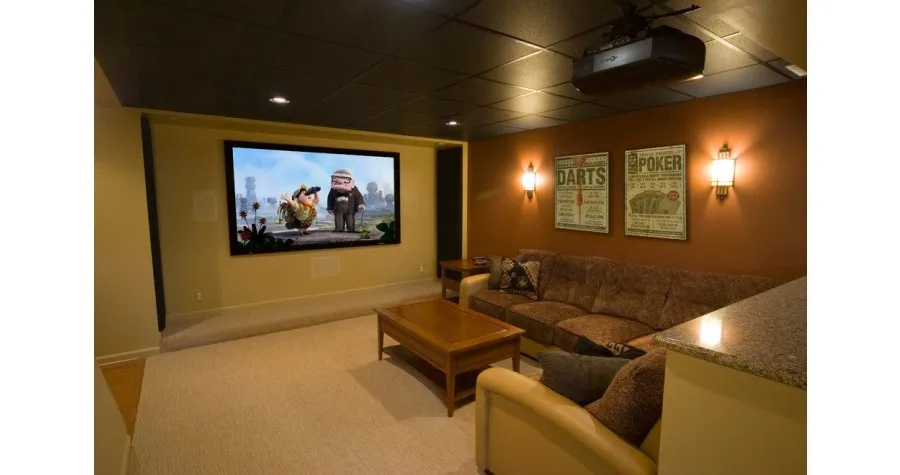
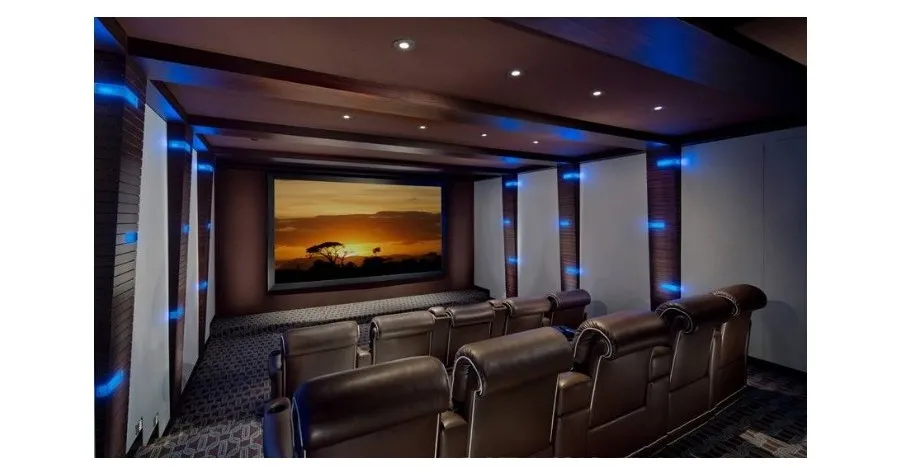
Plex Home Entertainment serves individual households and families seeking installed entertainment and smart-home solutions—home theatre configuration, automation systems, and security infrastructure. Each location functions as a showroom and service hub, giving walk-in consumers a physical space to evaluate product quality before committing to an installation. India’s consumer electronics and home technology segment has grown substantially alongside rising urban homeownership rates and the expansion of premium residential developments in both metro and Tier 2 cities. For a franchise investor, this context matters: the customer base for home entertainment solutions is not static—it widens every year as new housing stock enters the market and household incomes in organised urban employment continue to grow.
Revenue Model and Seasonal Distribution
Home entertainment and automation services follow a demand rhythm that differs from most leisure categories. The festive season—broadly October through January—generates peak activity, as Indian consumers time large household purchases around Diwali, new year resolutions, and wedding-season home upgrades. A secondary lift occurs in the April-to-June period when families setting up new homes after the academic year transition tend to invest in installed systems. The months between February and March, and again between July and September, are comparatively softer. What cushions the lean-period impact for a well-run location is the service and maintenance revenue that follows every completed installation. A franchisee who builds an installed customer base in year one generates a recurring call-out and annual maintenance contract stream that does not depend on new sales volume—a meaningful structural buffer that distinguishes this model from purely transactional retail.
Fixed Cost Burden and Operating Leverage
Mall and commercial location formats carry a fixed cost base that does not move with monthly revenue. Rent, staff salaries for a team of three to twelve depending on location size, trade license compliance costs, and brand-standard display upkeep are all present regardless of whether the month was a strong sales period or a quiet one. In practice, this means a Plex Home Entertainment franchisee needs to think carefully about the minimum monthly transaction volume required to cover fixed obligations before a single rupee of margin is retained. For a 300 sq.ft commercial unit in a mid-market mall, rent and three-person staffing typically represent the dominant fixed lines. Franchisees who enter this model with a realistic projection of their fixed monthly outgoings—and sufficient working capital to sustain those costs through the two or three softest months of the year—are structurally better positioned than those who project from peak-season performance alone.
Investment Breakdown and What It Covers
The investment range for a Plex Home Entertainment franchise is structured to cover several distinct cost categories. Location fit-out and display installation represent the largest single outlay: a showroom for this category needs to demonstrate product quality visually and acoustically, which requires considered setup rather than generic retail fixtures. Technology systems, demonstration equipment, and the brand licence itself account for a further portion. Training—both initial and ongoing—is part of the franchise relationship and prepares the franchisee and core staff to advise consumers on system selection and installation logistics. What the prudent investor allocates beyond these capital items is a working capital buffer sized to cover fixed costs through the first lean season, which typically arrives within the first six to nine months of operation. Investors who undercapitalise that buffer are the ones most likely to feel financial pressure before the business reaches its natural operating rhythm.
Corporate and B2B Revenue as a Stability Anchor
The consumer-facing orientation of the Plex Home Entertainment model is its primary channel, but the most financially resilient franchisees in comparable home technology categories tend to develop parallel relationships with property developers, interior designers, and corporate office fitout companies. A residential development with fifty units being handed over in a single quarter represents a concentrated demand event that a well-networked franchisee can partially capture. Similarly, corporate clients fitting out offices with presentation systems and access control infrastructure are a natural adjacent segment. These B2B relationships do not replace consumer walk-in revenue—they supplement it during the months when individual household purchases slow. Franchisees with existing connections in the real estate or interior design community in their city are particularly well-placed to develop this dimension of the business.
Risk Factors Specific to Travel and Hospitality
Investors evaluating any leisure or entertainment franchise should assess the category’s vulnerability across several risk dimensions. Home entertainment and automation systems are considered semi-discretionary purchases—they are deferred rather than cancelled during economic stress, which gives the category moderate recession resistance rather than immunity to downturns. Online platforms pose a different kind of pressure: direct-to-consumer e-commerce for consumer electronics has grown aggressively, and franchisees need to compete on installation expertise, after-sales service, and the demonstration value of a physical showroom rather than on product price alone. Supply chain disruption affecting imported electronics components has been a recurring operational variable in this segment and can affect installation timelines and inventory planning. These are manageable risks for an operator with strong supplier relationships and adequate inventory buffers, but they are real variables that require active management rather than passive optimism.
Who This Investment Suits
The investor profile that performs consistently in this category tends to combine two things: sufficient capital depth to carry the business through lean months without drawing down working capital below safe operating levels, and an existing network—among homeowners, developers, or corporate facility managers—that accelerates early revenue. Small business owners who already operate in adjacent spaces like interior design, electrical contracting, or consumer retail bring transferable customer relationships that shorten the time needed to reach consistent monthly revenue. Career changers and graduate entrepreneurs can succeed in this model when they have the capital discipline to manage a fixed-cost business through revenue variability. One honest observation about this sector: operators who cannot sustain fixed-cost obligations through two consecutive soft months without financial strain tend to exit before the business reaches the utilisation rates at which the economics improve. The Plex Home Entertainment franchise rewards patient capital over speculative optimism.
Accepting franchise applications in 8 states & UTs

How much does it cost to open a Plex Home Entertainment franchise?
The total investment range runs from INR 5 Lac to INR 10 Lac, covering location setup, demonstration equipment, brand licence, initial training, and the working capital buffer recommended for the first operating phase. Investors should budget toward the higher end of that range if they are entering a mall location with higher fit-out and rental expectations.
How does Plex Home Entertainment revenue vary across seasons in India?
Demand is strongest in the October-to-January festive and wedding-season window and shows a secondary lift around April and May. The intervening months are softer for new sales, though franchisees who have built an installed customer base generate maintenance and service revenue that partially offsets the quieter new-sales periods.
What is the minimum monthly revenue needed to cover Plex Home Entertainment operating costs?
The specific figure varies by location, rent negotiated, and team size, but the fixed cost floor for a standard 300 sq.ft commercial unit—covering rent, staff, and compliance—sets a minimum monthly threshold that franchisees should calculate before signing. Reaching that threshold consistently, rather than only during peak months, is the primary operational goal in the first year.
Does Plex Home Entertainment support franchisees in building corporate client accounts?
The franchisor's brand relationships with supplier networks and the credibility of a structured franchise model help franchisees open conversations with property developers and corporate clients that an independent operator would find harder to initiate. Franchisees with pre-existing relationships in those segments can convert them more quickly using the brand infrastructure available to them.
How many Plex Home Entertainment franchise locations are operating in India?
The network currently comprises ten operational locations. For a brand with over three decades of history, this represents a deliberate rather than volume-driven approach to franchising—prioritising location fit and franchisee quality over rapid network expansion. Investors should interpret the network size as a signal of selectivity rather than limited market interest.
Disclaimer: All scores, rankings, and estimates on ForeFind are independently produced editorial assessments using publicly available data and validated brand-submitted information. They are not verified facts, financial advice, or investment recommendations. Full Disclaimer.
