



Gbg Electric Franchise
Franchise Quick Facts
| Brand Name | GBG Electric |
|---|---|
| Industry / Category | Electric Vehicles / Urban Mobility Solutions |
| Founded | 2021 |
| Franchise Started | Not formally structured; operates via partner-based model |
| Total Franchise Outlets | 1–10 locations |
| Estimated Investment | INR 2,00,000 – INR 5,00,000 |
| Franchise Fee | Typically represents onboarding, brand usage, and initial support costs |
| Royalty Fee | Often structured as a revenue share or service-based fee in mobility models |
| Space Requirement | 250 – 300 sq. ft. |
| Staff Requirement | 2–4 persons |
| Expected Payback Period | 1–2 years |
1. What is GBG Electric?
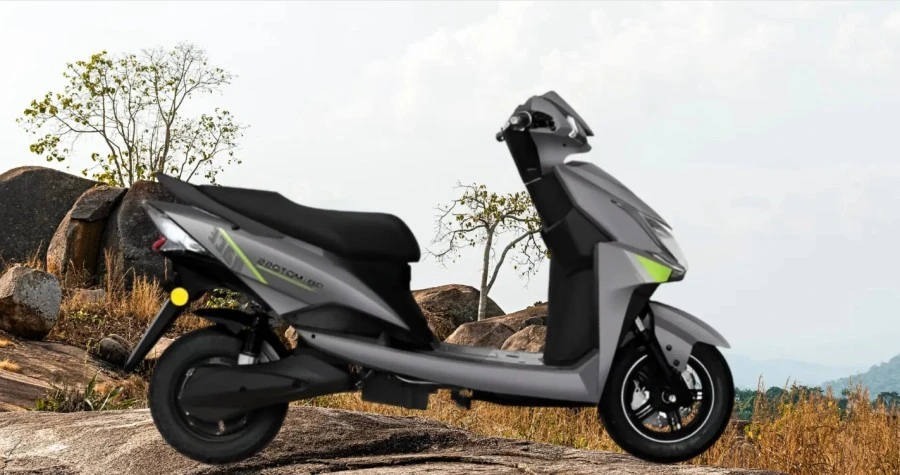
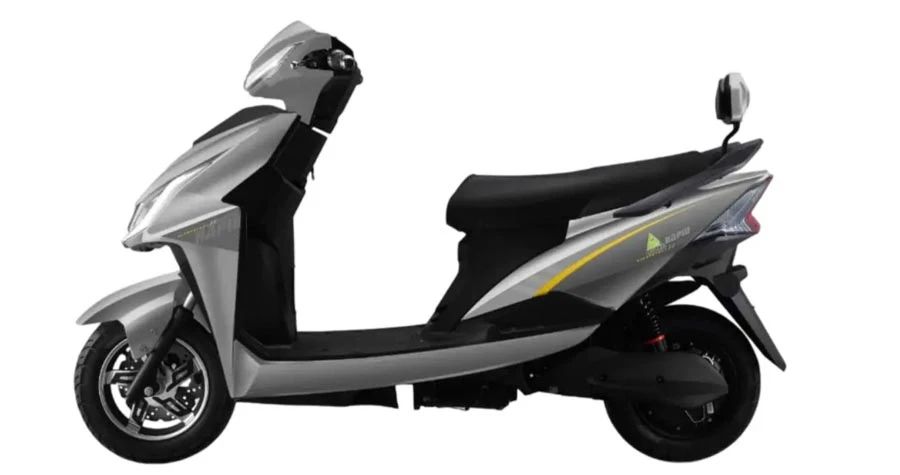
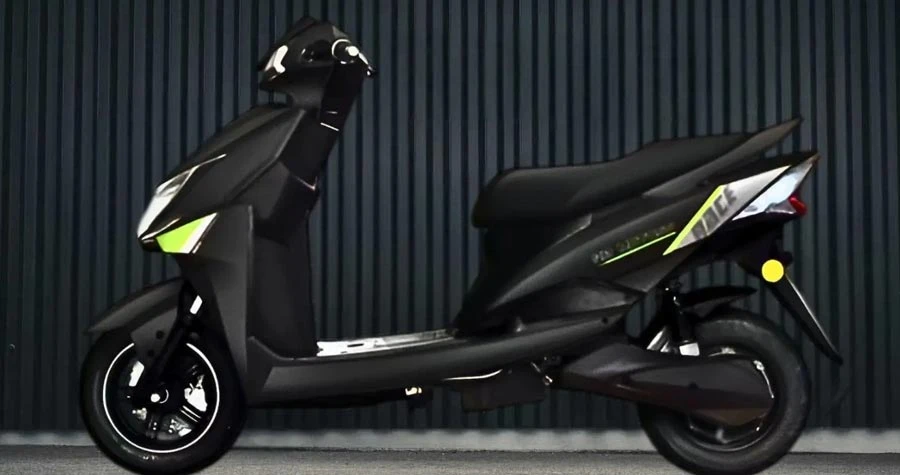
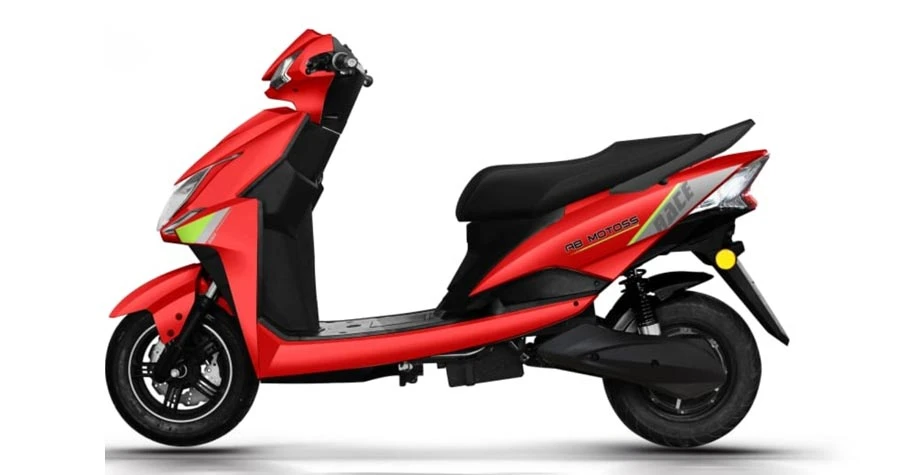
GBG Electric is an electric vehicle mobility business focused on providing electric scooters for urban transportation and commercial usage. It operates within the EV leasing and asset-based mobility franchise category, where vehicles are used both for commuting and income-generating purposes.
The franchise concept centers on enabling individuals and small operators to own electric scooters and generate earnings through structured leasing arrangements.
2. How the Business Works
The business operates on a vehicle ownership and leasing model rather than traditional retail.
Customer Interaction Flow
- A partner acquires electric scooters through the brand ecosystem
- Scooters are deployed for commercial use, primarily in delivery networks
- Riders or delivery platforms use the vehicles for daily operations
Operational Workflow
- Procurement of electric scooters
- Allocation to riders or leasing networks
- Regular maintenance and servicing support
- Monitoring usage and ensuring operational uptime
Revenue Generation
- Monthly lease income from scooters deployed in delivery services
- Potential long-term asset value retention
This structure shifts the focus from selling products to earning recurring income from deployed assets.
3. Products or Services Offered
The business offering revolves around mobility assets and support services.
Core Offerings
- Electric scooters designed for urban commuting and delivery use
Service Components
- Maintenance and servicing support
- Operational assistance for riders
- Access to leasing networks linked to delivery platforms
Ecosystem Integration
- Vehicles are used within food delivery and quick commerce systems
The model combines vehicle ownership with operational services.
4. How the Franchise Model Works
The franchise operates as a partner-driven asset deployment model.
Franchise Partner Role
- Invest in electric scooters
- Deploy scooters into operational networks
- Manage rider allocation or leasing arrangements
Franchisor Role
- Provide access to vehicles and technical support
- Facilitate partnerships with delivery platforms
- Offer maintenance and operational guidance
Operational Structure
- Scooters are utilized by riders for commercial delivery
- Income is generated through structured leasing or usage agreements
This model differs from traditional franchises by focusing on asset utilization rather than storefront operations.
5. Franchise Cost and Investment Overview
The investment range is positioned in the entry-level EV business segment.
Key Investment Components
- Purchase or acquisition of electric scooters
- Basic operational setup
- Registration and compliance costs
- Initial working capital
The brand highlights a model that may reduce upfront burden through alternative payment structures, though total investment still depends on the number of vehicles deployed.
In mobility franchises, costs are typically linked to asset quantity rather than physical store setup.
6. Space and Infrastructure Requirements
The infrastructure needs are minimal compared to retail franchises.
Space Requirements
- 250–300 sq. ft. for parking, storage, and basic operations
Location Preferences
- Urban or semi-urban areas with strong delivery demand
- Proximity to commercial zones or logistics hubs
Infrastructure Needs
- Charging arrangements for electric scooters
- Basic service and maintenance setup
Staffing
- Small team for coordination, maintenance, and rider management
The model prioritizes operational efficiency over customer-facing space.
7. Training and Franchise Support
Support systems are designed around vehicle operations and deployment.
Training Areas
- Scooter usage and maintenance
- Operational management of leased vehicles
- Coordination with delivery partners
Ongoing Support
- Technical servicing assistance
- Guidance on maximizing vehicle utilization
- Access to partner networks
These systems help franchise partners manage assets effectively and reduce operational disruptions.
8. Revenue Model and ROI Factors
Revenue is generated through recurring leasing income from electric scooters.
Key Revenue Drivers
- Demand from delivery platforms
- Number of scooters deployed
- Utilization rate of each vehicle
Income Structure
- Monthly rental or leasing payments from riders or platforms
- Consistent usage increases earning stability
Cost Considerations
- Maintenance and servicing
- Battery charging and electricity costs
- Rider management and operational coordination
ROI Insight
The expected payback period of 1–2 years depends heavily on utilization levels and consistent deployment of scooters in active delivery networks.
9. Brand History and Expansion
The company was established in 2021 and operates as part of a broader mobility ecosystem linked to ride and delivery services. With a limited but growing number of operational locations, the business is in an early expansion phase.
Growth is aligned with increasing adoption of electric vehicles and the expansion of delivery-based urban services.
10. Key Advantages of the Franchise
- Entry into the growing electric vehicle and delivery economy
- Recurring income model rather than one-time sales
- Lower space requirements compared to retail franchises
- Scalable by increasing the number of deployed scooters
- Alignment with sustainability and urban mobility trends
- Integration with delivery service demand
11. Who Should Consider This Franchise
This opportunity is suitable for:
- Investors looking for asset-based income models
- Entrepreneurs interested in the EV and mobility sector
- Small business owners seeking recurring revenue streams
- Individuals exploring alternatives to traditional retail franchises
- Operators willing to manage logistics and fleet-based operations
Similar Franchise Opportunities
Investors exploring the electric mobility and asset-leasing segment may also evaluate:
- Yulu
- Bounce
- Vogo
- Ola Electric
- Hero Electric
These companies operate in electric mobility, vehicle leasing, or shared transportation systems, offering comparable business models for evaluation.
Accepting franchise applications in 35 states & UTs
What is the investment required for GBG Electric franchise?
The investment typically ranges between INR 2 lakh and INR 5 lakh, depending on the number of electric scooters acquired and operational setup. Costs are primarily linked to vehicle ownership rather than retail infrastructure, making it an asset-driven investment model.
How does the GBG Electric franchise business work?
The business operates by deploying electric scooters into delivery networks. Franchise partners earn income by leasing these vehicles to riders or service platforms, generating recurring monthly revenue based on usage and demand.
What space is required for the franchise?
A compact area of around 250 to 300 square feet is sufficient. This space is used for parking, charging, and basic maintenance of electric scooters rather than customer-facing retail operations.
How long does it take to recover the investment?
The expected payback period is approximately 1 to 2 years. Recovery depends on how consistently the scooters are deployed, their utilization rates, and ongoing operational efficiency.
How can investors apply for the franchise?
Investors can apply by connecting with the brand, evaluating the operational model, and selecting the number of scooters to deploy. After onboarding, partners receive support for setup, deployment, and integration into delivery networks. ## Similar Franchise Opportunities
Disclaimer: All scores, rankings, and estimates on ForeFind are independently produced editorial assessments using publicly available data and validated brand-submitted information. They are not verified facts, financial advice, or investment recommendations. Full Disclaimer.
