



Xtreme Sports Bar & Grill Franchise: Investment, Returns and Profit Model in India
About Xtreme Sports Bar & Grill
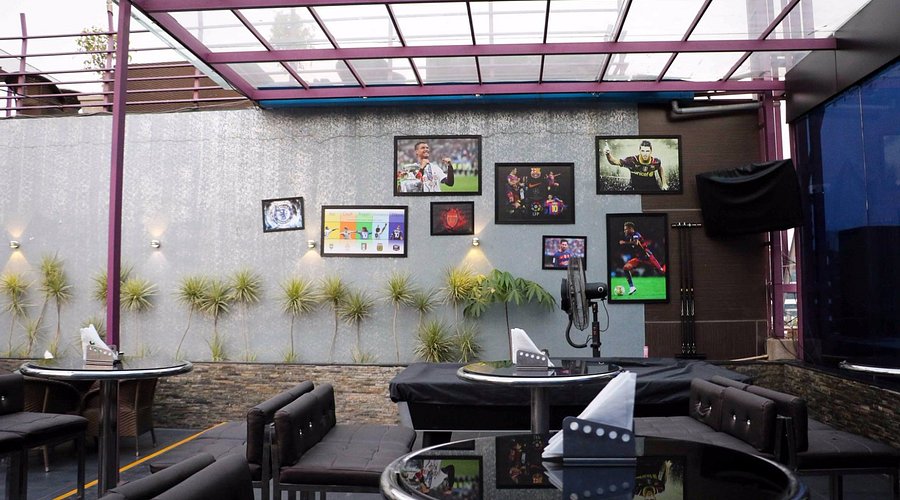
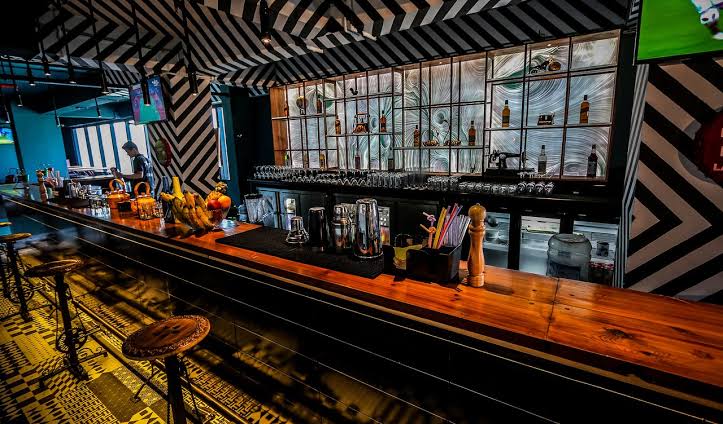
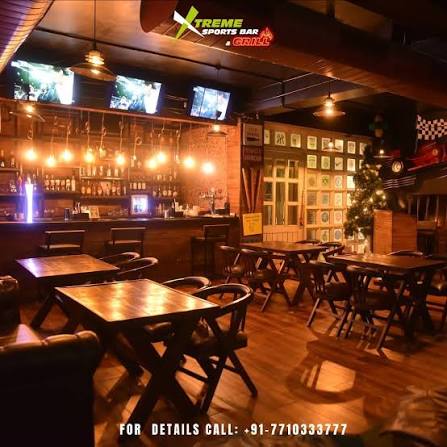
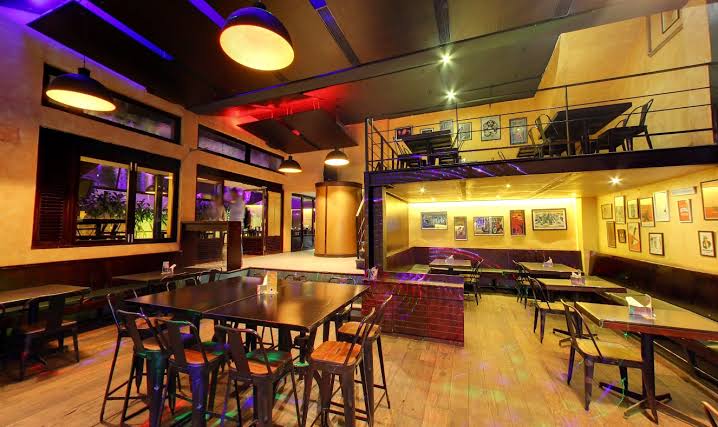
Xtreme Sports Bar & Grill franchise is a multi-format entertainment and dining venue built around sports viewing, grilled food, live events, pool, darts, karaoke, and dedicated music and dance facilities. The brand serves individuals and families seeking a social entertainment destination rather than a conventional dining experience, positioning itself in South and Central India’s premium bar and entertainment segment. Established in 2005, the brand has been franchising for 20 years with 10 locations currently in operation. The 20-year operational history — through India’s multiple economic cycles, shifting entertainment consumption patterns, and the rise of streaming sports content — is the single fact that most clearly signals the brand’s commercial durability. A sports bar concept that has sustained operation and franchise activity across two decades has navigated every category disruption that a newer entrant has not yet encountered.
The Revenue Model in Practice
Revenue at an Xtreme Sports Bar & Grill flows across several concurrent channels: beverage sales (alcoholic and non-alcoholic), grilled food orders, cover charges for live events and special nights, and private event bookings for corporate groups and celebrations. The event-driven model is the most commercially significant differentiator from a standard bar-restaurant: a venue that runs scheduled live nights, sports screening events, karaoke sessions, and ladies’ nights converts regular footfall into a predictable event calendar that drives advance bookings and repeat patronage rather than depending entirely on organic walk-in demand. The brand’s exclusive supply partnerships with major beverage companies — UB, USL, Diageo, Seagrams, Pepsi — provide the franchisee with procurement structures and promotional support that an independent cannot access independently, which affects both cost and visibility. The franchisee controls event programming intensity, local marketing activity, and operational service quality; the brand system determines the concept identity, supplier relationships, and operating standards.
Understanding the Investment: What INR 1 Cr – 2 Cr Actually Buys
The investment range for a 2,500 to 8,000 square foot venue covers the complete commercial setup: interior fit-out to the brand’s sports entertainment aesthetic, AV infrastructure for sports screening across multiple screens, bar equipment and service infrastructure, kitchen setup for grilled food production, gaming area equipment, brand licensing, pre-opening staff training, and working capital for the six to eight months before revenue stabilizes at sustained occupancy levels. The wide size range is significant for investment planning: a 2,500 square foot location and an 8,000 square foot venue have materially different fit-out costs, staffing requirements, and monthly cost structures, so the total investment within the INR 1 to 2 crore bracket varies meaningfully based on the specific premises chosen and the equipment scope required.
Monthly ongoing costs include commercial rent for the 2,500 to 8,000 square foot space — the largest single variable and the most location-dependent — staff wages for eight to twenty employees across bar, kitchen, service, security, and management roles, beverage procurement, food raw materials, FSSAI and excise compliance maintenance, event production costs, and any applicable royalty to the franchisor. The monthly cost floor at a 5,000-plus square foot entertainment venue in an urban commercial location is substantial, and the franchisee who models this against realistic occupancy scenarios before committing makes a materially better investment decision than one who plans based on full-capacity revenue alone.
Break-Even and Return Timeline
The 18 to 36 month break-even range reflects a format where event programming quality, location demographics, and operational execution are all active variables that determine outcome. At the 18-month end, franchisees typically combine a location with proven evening entertainment footfall from the target demographic — young professionals and sports-enthusiast social groups — with a dense event calendar from the first month of operation. The key commercial insight in this format is that empty seats cost money and programmed events fill them: a venue running two to three compelling events per week generates advance booking revenue and social media visibility that passive wait-and-see operations cannot match.
At the 36-month end, franchisees are typically managing one or more of: a location that generates lower walk-in conversion than projected, an event calendar that is thin or reactive rather than proactive, or staffing challenges that create service inconsistency during high-value peak periods. The regulatory variable is also material: state excise policy changes affecting operating hours, event permissions, or beverage serving regulations can affect revenue without any operational failing by the franchisee. Understanding the regulatory stability of the target state is a pre-investment requirement rather than an afterthought.
What the Franchisor Provides and What They Do Not
Xtreme Sports Bar & Grill provides franchisees with site selection assistance, lease negotiation guidance, interior design frameworks, standard operating procedures before opening, staff recruitment and training support, event planning assistance from ideation through execution, ongoing menu updates, and access to the brand’s exclusive supply partnerships with major beverage and FMCG companies. These are substantive operational contributions that reduce the franchisee’s independent setup burden, particularly the supply partnerships — a new independent attempting to negotiate comparable commercial terms with UB or Diageo would not access equivalent arrangements without the brand relationship.
The franchisee is independently responsible for securing the excise license, FSSAI, and Fire NOC — the most time-consuming and jurisdiction-specific pre-opening regulatory processes. Daily operational management of eight to twenty staff, local marketing beyond brand-level support, the event programming schedule that drives venue occupancy above baseline walk-in levels, lease management through renewal cycles, and the community relationship building that generates repeat patronage and referral growth all sit entirely with the franchisee. The support provided is operational infrastructure and supplier access; venue success remains the franchisee’s commercial execution responsibility.
Financial Risk Factors Specific to This Category
Excise regulatory risk is the primary category-specific financial exposure in any alcohol-serving venue — Indian state governments have historically modified excise policy in ways that affect operating hours, license fees, and event permissions without equivalent regulatory stability to other food service categories. This risk is specific to each state and cannot be eliminated; it can only be evaluated through research into the target state’s regulatory history before investment. Staff turnover in a high-energy entertainment format carries above-average commercial impact because the service team’s personality and event hosting competence are part of the consumer experience — replacing skilled bartenders and event hosts mid-season disrupts the venue’s established atmosphere. Food spoilage risk is present in the kitchen but secondary to beverage revenue in the overall financial model. Lease renegotiation at renewal is a medium-term risk that the size of the venue amplifies — a 5,000 square foot location at a commercial premium is a meaningful annual cost variable if the landlord recognizes the venue’s established patronage as negotiating leverage at renewal.
Who This Investment Suits and Who It Does Not
The Xtreme Sports Bar & Grill franchise generates its best financial outcomes for experienced F&B operators who have managed large-staff hospitality venues before, who understand that event programming is a revenue driver requiring active weekly management rather than a marketing supplement, and who have the financial depth to sustain operations through the 18 to 36 month break-even period while building the venue’s patronage base. HNI investors and business groups seeking exclusive territory rights in specific cities or regions benefit from the brand’s 20-year sports entertainment category experience and its supply partnerships with major beverage companies, which provide a commercial infrastructure an independent entering this category from scratch cannot access comparably. Investors who deploy capital into this format expecting the brand’s event identity to self-populate the venue calendar and generate revenue without their active programming involvement consistently fail to reach the occupancy rates the monthly cost structure requires to sustain break-even.
Accepting franchise applications in 34 states & UTs
How much does an Xtreme Sports Bar & Grill franchise cost in India?
The total investment for an Xtreme Sports Bar & Grill franchise falls within the INR 1 crore to 2 crore range. The specific investment within this bracket varies based on the premises size — the format accommodates 2,500 to 8,000 square feet, and a larger venue requires proportionally higher fit-out and equipment investment. The budget covers commercial fit-out, AV and gaming infrastructure, bar and kitchen equipment, brand licensing, staff training, and opening working capital. Full investment details specific to the target location size are provided during the franchise evaluation process.
What is the expected monthly revenue from an Xtreme Sports Bar & Grill outlet?
Monthly revenue figures are available on inquiry from the brand. In category terms, a well-programmed sports entertainment bar of 3,000 to 5,000 square feet operating at strong weekend occupancy with a regular event calendar generates beverage, food, and event cover revenue at a level consistent with the 18 to 36 month break-even timeline at the INR 1 to 2 crore investment level. Revenue performance is primarily driven by event programming consistency and location demographic quality rather than by passive walk-in trade alone.
Does Xtreme Sports Bar & Grill provide territory exclusivity to franchisees?
Territory exclusivity provisions are confirmed during the franchise agreement process. HNI investors and business groups evaluating this brand specifically for exclusive regional rights should raise territorial scope as a primary term during the evaluation conversation. With 10 current locations and 20 years of franchise activity, most Indian cities outside the existing network represent uncommitted territory — but formal exclusivity provisions need to be documented in the franchise agreement rather than assumed from network sparsity.
What licenses are required to open an Xtreme Sports Bar & Grill franchise?
An excise license is the primary and most complex regulatory requirement for a bar serving alcohol, with the specific license type, application process, and approval timeline varying significantly by state. An FSSAI license applies to the food service component, and a Fire NOC is required for the premises. Franchisees should engage a regulatory consultant with state-specific excise expertise before initiating applications, as the excise timeline is typically the longest pre-opening regulatory pathway and determines the critical path for the opening date.
Is prior food business experience required to open an Xtreme Sports Bar & Grill franchise?
Prior F&B operational experience is a practical requirement at this format's scale and complexity. Managing eight to twenty staff, operating a multi-format entertainment venue with active event programming, navigating excise compliance, and delivering consistent service quality during high-cover peak nights all require operational competency that an investor without prior hospitality management background would need to source through experienced hired management — an additional cost and reliability variable that experienced F&B operators do not carry. The ideal franchisee profile is explicitly an experienced F&B operator for this reason.
Disclaimer: All scores, rankings, and estimates on ForeFind are independently produced editorial assessments using publicly available data and validated brand-submitted information. They are not verified facts, financial advice, or investment recommendations. Full Disclaimer.
