


7th Heaven Franchise: How the Business Works and What to Expect as an Owner
What 7th Heaven Is and How It Got Here
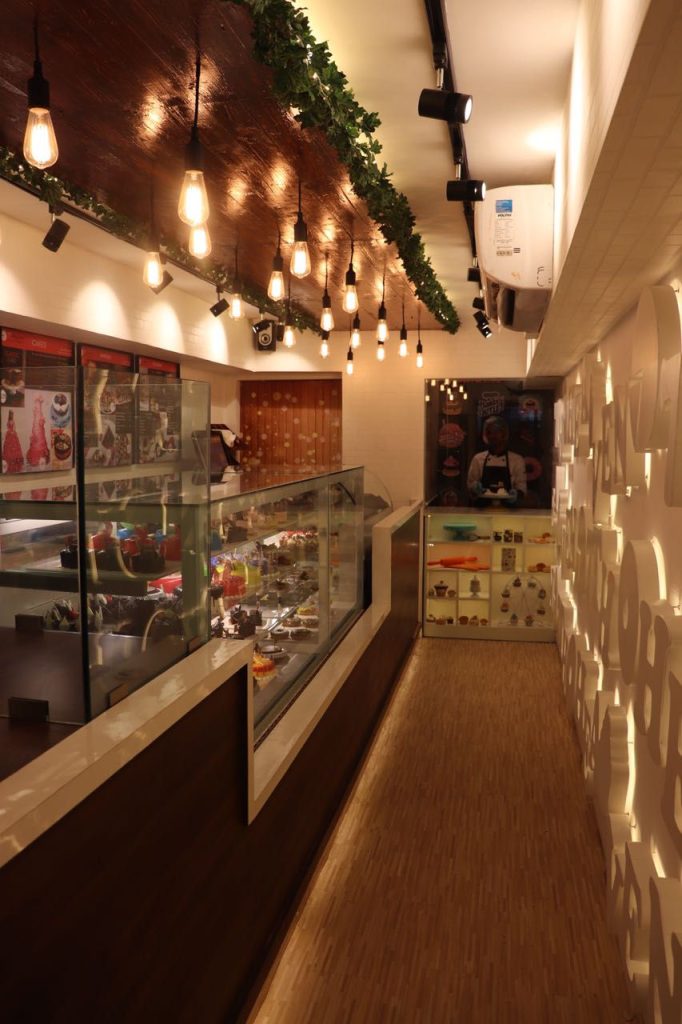
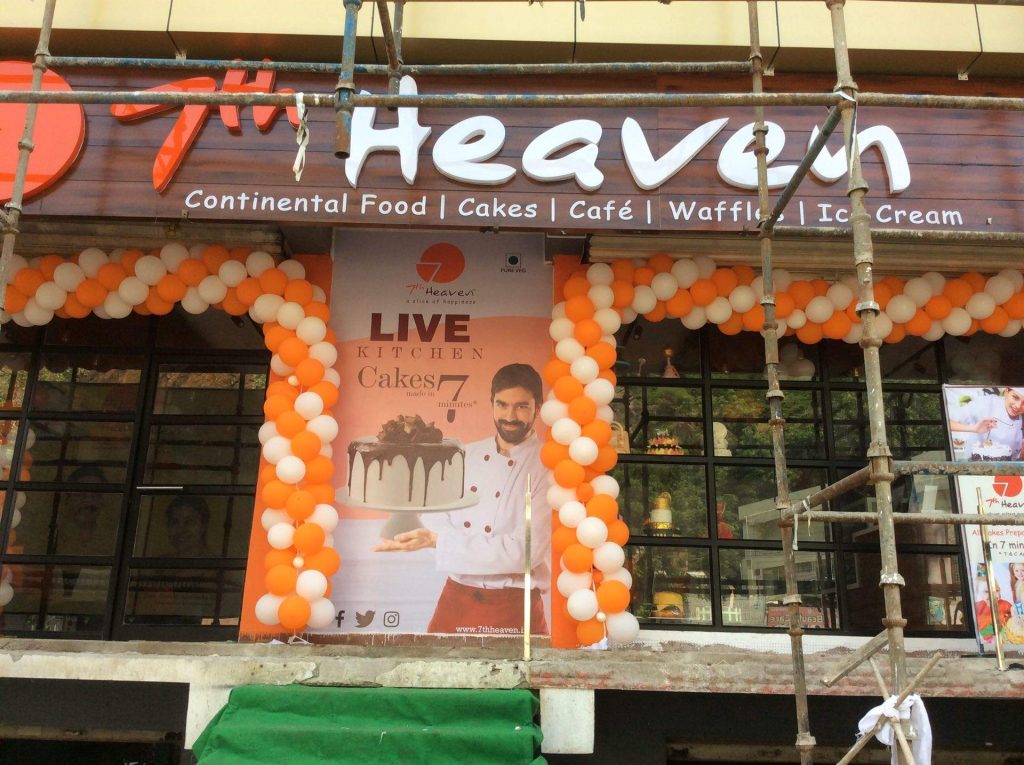
7th Heaven franchise is a premium cake and dessert chain that commenced operations in 2011 and began franchising in 2015, building a network of 100 to 200 outlets at an average of 7.5 new units per year across 20 years of brand history. The concept was developed around a visual and experiential dessert retail format — macarons, 3D cakes, cupcakes, brownies, cheesecakes, tarts, and donuts presented in a boutique retail environment that differentiates the brand from standard cake shop formats. Today, a 7th Heaven outlet occupies 300 to 1,200 square feet depending on whether the franchisee has opted for a compact counter format or a larger café-style destination, and it serves as a recognizable dessert address in its local market. The brand operates under Kitchen Fragrances India LLP, which provides the corporate and supply chain infrastructure behind the franchise system. The 9-year franchising track record, sustained at 7.5 new units annually, demonstrates that the model has supported commercially viable franchisee operations rather than experiencing attrition after initial launch.
A Franchisee’s Typical Operating Day
Running a 7th Heaven outlet starts in the kitchen. The range of products — macarons, decorated cakes, tarts, cupcakes — requires daily preparation that cannot be deferred without affecting the visual quality that the brand’s premium positioning depends on. A franchisee’s morning begins with confirming that production is on schedule, that the display is being assembled to the brand’s visual standards, and that any pre-ordered occasion cakes due for morning collection are complete. The visual display at opening is not a peripheral concern — in a premium dessert format, customers make purchase decisions based on what they see in the case, and a sparse or inconsistently arranged display directly suppresses walk-in conversion.
The harder operational challenge is managing the simultaneous demands of walk-in service, delivery order fulfillment, and custom cake completion during weekend and festive peak periods. These demands do not arrive in sequence — they overlap, and the franchisee’s personal presence during these peaks is what maintains the quality standard across all three channels simultaneously. The franchisee’s most productive personal use of time is production oversight combined with direct engagement with the regular customers whose repeat purchases and occasion referrals sustain the outlet’s revenue base between delivery spikes.
The Kitchen, the Menu, and the Supply Chain
The 7th Heaven menu’s production complexity sets it apart from simpler bakery formats. Macarons require precise temperature and humidity control; 3D cakes require decoration skills that develop over months of practice; cheesecakes require refrigeration management that affects both quality and food safety simultaneously. This is not a format where a minimally trained team can sustain product quality independently — it requires ongoing kitchen management by someone who understands the production requirements of each item in the range. The franchisee’s training before opening covers this foundation, but the quality standard that justifies the brand’s premium pricing is maintained through consistent daily practice rather than acquired once at onboarding.
Ingredients are sourced according to the brand’s quality specifications, with proprietary elements supplied through the Kitchen Fragrances India LLP supply chain. In a Tier 2 city, the availability of specialty ingredients — specific chocolate grades, stabilizers, macaron-grade almond preparations — may require advance planning and scheduled ordering rather than local walk-in procurement. Franchisees in these markets should confirm supply chain arrangements during onboarding and build adequate lead time into their ordering cycle to avoid production disruption on high-demand products.
Location: What Works and What Kills the Business
A 7th Heaven outlet lives and dies on the quality of its consumer catchment. The premium dessert category — macarons, 3D cakes, specialty cheesecakes — targets consumers with the disposable income and aesthetic motivation to choose a branded specialty destination over a local bakery counter at a lower price. This demographic concentrates in premium residential neighborhoods, office-adjacent commercial strips where professionals are the primary foot traffic, and mall locations where the brand’s visual presentation attracts discretionary spending from consumers already in a shopping mindset.
A high-footfall location with the wrong consumer profile — price-sensitive daily staples buyers rather than treat and gifting purchasers — generates volume without the per-transaction value that the 7th Heaven cost structure requires. The delivery access dimension matters specifically for the platform-sourced order channel: delivery riders need to reach and collect from the outlet quickly during peak periods, and a location with difficult vehicle access or congested collection points accumulates delivery delays that damage platform ratings and reduce discovery-stage order volume over time.
Staff: Hiring, Training, and the Retention Problem
A 7th Heaven outlet at standard operating volume needs three to six core staff: at minimum, a lead baker with decoration capability, a counter person, and a production assistant. The lead baker role is the most commercially critical and the hardest to fill in any city outside major metros. In Tier 2 cities, franchisees should plan to hire candidates with foundational baking interest and develop them through the 7th Heaven training program rather than expecting ready-made macaron or 3D cake decorators to be available locally. The development investment is real — it takes several months before a new decorator reaches consistent quality — but it is the only practical path to building the kitchen capability the brand requires in smaller cities.
Staff turnover in a premium dessert format is more commercially damaging than in commodity food formats because the production skill is concentrated in a small team. When the lead baker leaves, the quality disruption is immediate and visible: the macaron shells are inconsistent, the 3D cake decoration is less precise, and the customer who was accustomed to a certain standard either notices or receives feedback from their recipient that the product quality has changed. Franchisees who retain their kitchen team through skill development investment, fair compensation, and a working environment that recognizes the craft component of the role reduce their exposure to this specific commercial risk.
What the Franchisor Handles So You Do Not Have To
7th Heaven provides the franchise with its product development investment — the macaron formulations, the 3D cake design library, the specialty dessert range — accumulated through the brand’s operations since 2011. A franchisee does not need to develop these recipes from scratch or build the product range independently; they receive a tested menu that customers already recognize and seek out. Training before opening covers the production methodology for the full range. The brand’s ₹1.5 lakh franchise fee and 15 percent royalty fund the ongoing support infrastructure and brand development that individual franchisees cannot replicate independently.
The franchisee manages independently: lease and rent management, daily kitchen quality supervision, staff recruitment and retention in their city, local community marketing and social media management, delivery platform accounts, FSSAI compliance renewal, and the active development of corporate and gifting accounts that lift monthly revenue above the walk-in consumer base. The 15 percent royalty is the cost of the brand system; local commercial execution is entirely the franchisee’s domain and is the primary determinant of whether the outlet operates near ₹1.8 lakh or ₹9 lakh per month.
Who Runs a 7th Heaven Franchise Successfully
The 7th Heaven franchise generates its strongest commercial performance for established small business owners and mid-level corporate professionals who combine financial capital stability — the ability to sustain the 9 to 18 month break-even period — with genuine personal engagement in the outlet’s daily operations. The franchisee who is present at peak hours, who checks production quality before products reach the display, and who treats the brand’s standard operating procedures as non-negotiable discipline rather than aspirational guidelines builds the consumer trust and product consistency that premium dessert retail depends on for repeat visits and gifting referrals. Absentee investors who deploy the INR 20 to 30 lakh investment and manage the business remotely through hired staff consistently underperform because the kitchen quality management and customer relationship development that sustain a premium dessert brand’s revenue base require the franchisee’s direct daily attention during the formative months of the business.
Accepting franchise applications in 33 states & UTs
Disclaimer: All scores, rankings, and estimates on ForeFind are independently produced editorial assessments using publicly available data and validated brand-submitted information. They are not verified facts, financial advice, or investment recommendations. Full Disclaimer.
