



Credr in India’s Automotive Services Landscape
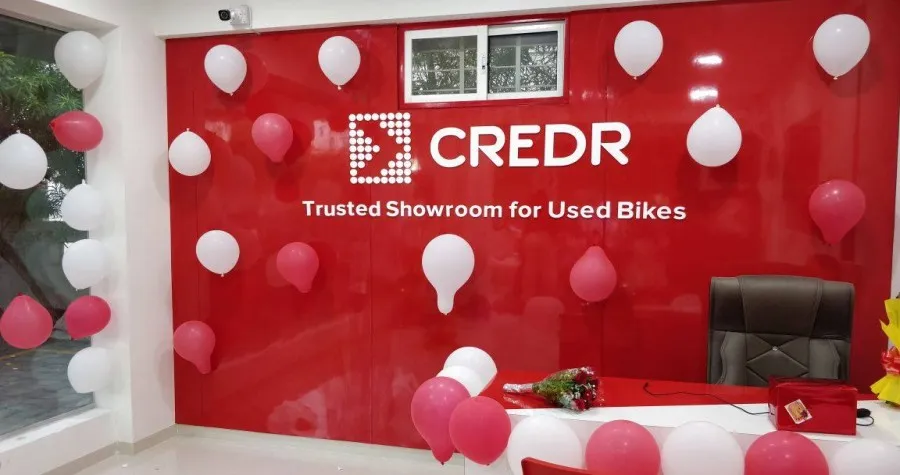
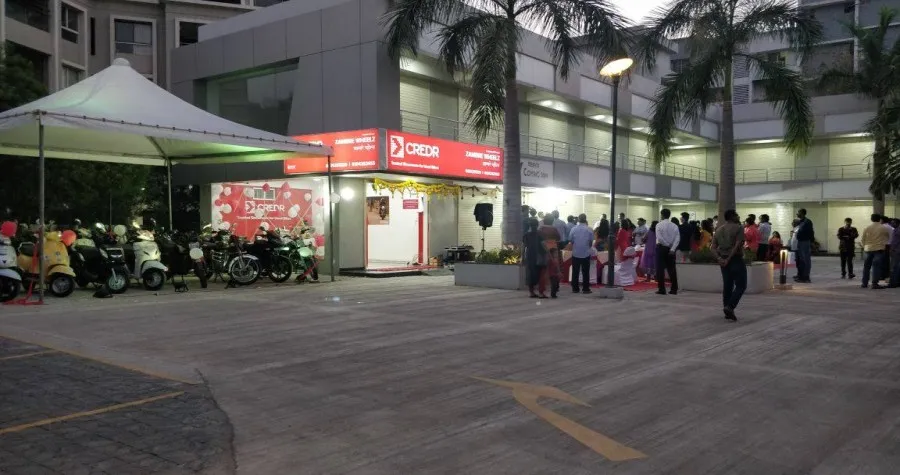
A Credr franchise operates in the certified pre-owned two-wheeler segment, a category that sits between traditional informal used-bike dealing and full organised retail. The format combines a physical showroom with a structured inspection and refurbishment process, addressing a gap that has existed in Indian automotive retail for decades: the absence of a trustworthy, standardised way to buy or sell a used motorcycle or scooter. Unlike a manufacturer showroom selling new vehicles, this model deals exclusively in pre-owned stock across multiple brands, which means its competitive position depends less on any single OEM relationship and more on the credibility of its inspection and refurbishment process.
India’s Vehicle Population and Why Service Demand Is Growing
India’s two-wheeler population is enormous, and a meaningful share of that fleet changes hands every year as owners upgrade, relocate, or simply replace an ageing vehicle. Every used bike that gets resold eventually needs servicing, refurbishment, and a buyer willing to trust its condition, and that need has historically been filled by informal dealers operating on reputation alone, with no standardised inspection process and little recourse for a buyer who discovers a hidden fault after purchase. As incomes rise and smaller-city buyers grow more comfortable with organised, branded retail, the same shift playing out in new-vehicle dealerships is now visible in the used-bike market: customers in Tier 2 and Tier 3 cities increasingly prefer a showroom offering documented inspection and some form of post-sale assurance over an unregulated private transaction, even at a modest price premium.
Why a Credr Franchise Outperforms an Independent Workshop
An independent used-bike dealer can offer a lower price, but cannot easily replicate a standardised, multi-point inspection process or the brand credibility that comes from operating under a recognised name across multiple cities. A Credr franchise benefits from established sourcing relationships, refurbishment standards, and a consistent grading methodology that gives buyers more confidence than a one-off seller’s word. This structural advantage is precisely what allows organised used-vehicle outlets to command a price premium over informal sellers: customers are not just paying for the bike, they are paying for the certainty that the inspection, refurbishment, and documentation behind it were done to a consistent standard rather than left to a private seller’s discretion.
Geographic Opportunity: Tier 2 Cities and the Unorganised Market Gap
The clearest white space for this category sits in Tier 2 cities and the larger towns surrounding them, where two-wheeler ownership has grown substantially but organised, branded used-vehicle retail remains thin on the ground. In these markets, the competition is less about fighting another certified outlet for share and more about converting buyers and sellers away from the informal, unregulated dealing they currently rely on by default, simply because no organised alternative exists locally yet. That makes the addressable opportunity in these towns arguably larger relative to competitive intensity than in metro markets where certified used-vehicle outlets are already reasonably well established.
EV and New Energy Vehicles: How Credr Is Positioned
The used two-wheeler market today is overwhelmingly built around conventional petrol vehicles, and that is unlikely to change dramatically in the immediate term given how recently electric two-wheeler adoption has accelerated; most electric models on Indian roads are still too new to have meaningfully entered the resale market in volume. That said, this is a medium-term consideration worth tracking rather than ignoring: as the current generation of electric two-wheelers ages into resale eligibility over the coming years, a certified pre-owned outlet that has not built inspection and refurbishment capability for electric drivetrains and battery health assessment risks falling behind competitors who adapt their evaluation process earlier. Prospective franchisees should ask directly how the brand’s inspection methodology plans to extend to electric vehicles as that segment of the used market matures.
Competitive Differentiation: Why Customers Choose Credr
Buyers and sellers in the used two-wheeler market weigh three things above all: how convenient the outlet is to reach, how the price compares to a private sale, and whether they can trust the vehicle’s stated condition. Showroom placement in a high-visibility, accessible location addresses the first. Transparent, documented pricing without the negotiation uncertainty of a private deal addresses the second. A standardised, multi-point inspection and refurbishment process addresses the third, and this is where a franchise network’s structural advantage becomes most visible: an independent dealer’s word is only as good as their individual reputation, while a branded outlet’s inspection standard is consistent across every location, which is precisely what lets it scale buyer trust faster than any single unbranded competitor could on their own.
Who Builds a Profitable Credr Franchise
Some mechanical and automotive trade familiarity helps an owner evaluate refurbishment quality, but the bigger differentiator in this category is the franchisee’s local network: relationships with insurance agents, financiers, and corporate or institutional sellers looking to dispose of two-wheeler fleets in bulk tend to generate steadier inventory flow than waiting on individual walk-in sellers. Location matters just as much as capital, since a showroom in a high-footfall commercial stretch will consistently outperform an equally well-capitalised outlet tucked into a low-visibility side street. Investors who build genuine local relationships around vehicle sourcing, rather than treating the showroom as a passive retail box, tend to develop a more resilient inventory pipeline.
Accepting franchise applications in 35 states & UTs
Disclaimer: All scores, rankings, and estimates on ForeFind are independently produced editorial assessments using publicly available data and validated brand-submitted information. They are not verified facts, financial advice, or investment recommendations. Full Disclaimer.
