



Yasmin Karachiwala’s Body Image Franchise: Consumer Demand, Market Position and Competitive Advantage in India’s Wellness Sector
The Yasmin Karachiwala’s Body Image franchise occupies a distinct corner of India’s health and beauty industry, one defined by clinical-grade fitness equipment, personal training methodology, and a founder whose name carries direct recall among urban consumers. This is not a category built on walk-in volume or discount pricing. It is built on outcome credibility, and the brand’s ten operating centres signal that a small, carefully selected client base is willing to pay for that credibility. Each location functions less like a gym and more like a results-oriented studio, where Pilates-based training, body conditioning, and personalised programming justify a price point well above neighbourhood fitness offerings. The format sits at the intersection of medical-adjacent equipment use and lifestyle wellness, which explains why the sub-category classification leans toward health and medical equipment rather than generic fitness. Ten centres after more than two decades in the original studio’s existence is not a sign of slow growth; it is a sign of a brand that has deliberately prioritised quality of execution over speed of rollout, expanding only where the local market and the franchisee profile align.
Why Spending on Health and Beauty Is Growing in India
India’s working professionals are allocating a growing share of discretionary income toward physical appearance and wellbeing, a shift driven by longer urban working hours, higher disposable income among dual-income households, and a cultural normalisation of investing in personal fitness the way one would invest in skincare or grooming. What used to be an unorganised landscape of local trainers and informal studios is steadily migrating toward branded, accountable formats, particularly among consumers in their late twenties through mid-forties who want measurable results and a recognisable name behind the service. This shift is not confined to women. Male grooming and fitness spending has expanded sharply in the last decade, and Pilates-based conditioning, once seen as a niche female-oriented practice, is increasingly adopted by male clients seeking injury rehabilitation, posture correction, and lean muscle development. For a brand built specifically around personal training and body conditioning, this broadening of the customer base is structurally favourable. It widens the addressable market without requiring the brand to dilute its premium positioning or compete on price.
Why a Yasmin Karachiwala’s Body Image Franchise Outperforms an Independent Centre in This Category
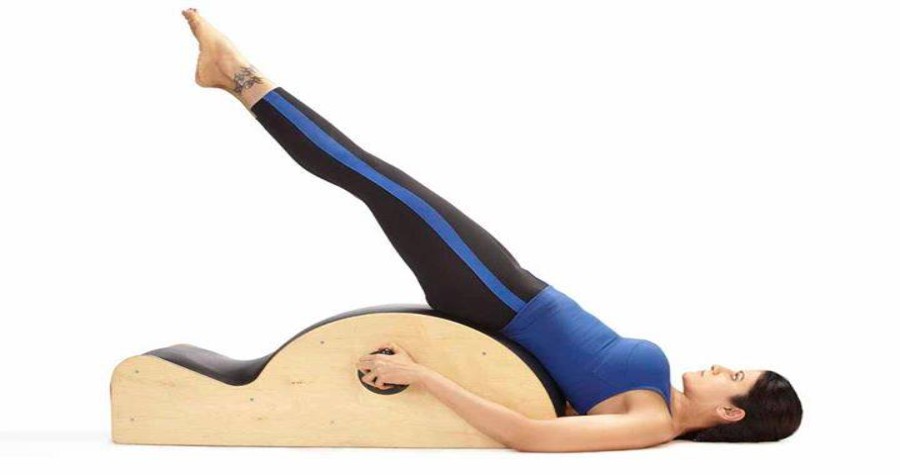
An independent studio in this space starts from zero brand equity. A new entrant must build local trust over years before clients will commit to a INR 50,000-plus training package on faith alone. A franchise built around Yasmin Karachiwala’s name and reputation begins several steps ahead, because the client already associates the brand with verifiable celebrity transformations and award recognition, which shortens the sales cycle for high-ticket personal training packages. There is also a procurement advantage that independents rarely match: studio-grade Pilates reformers, trapeze tables, and conditioning equipment carry significant import and maintenance costs, and a franchise network negotiating across multiple centres secures better pricing and faster servicing than a single standalone studio sourcing equipment on its own. National visibility through the founder’s continued media presence functions as an ongoing acquisition channel that an independent operator would otherwise have to fund entirely out of local advertising spend.
Geographic Opportunity and Target Locations
With only ten centres nationally, vast metro and Tier 2 markets remain untouched, and the opportunity is not evenly distributed across geography. The strongest demand sits in affluent residential pockets and high-footfall commercial micro-markets within metros where the existing presence is thin, as well as in Tier 2 cities such as Pune, Ahmedabad, Jaipur, and Chandigarh, where a rising professional class increasingly seeks the same premium fitness experience previously available only in Mumbai or Delhi. Within these cities, the ideal location format favours upscale commercial complexes, premium residential catchments, or proximity to corporate hubs, since the service depends on clients who view fitness spending as a recurring lifestyle line item rather than an occasional indulgence. Standalone high streets in established premium neighbourhoods tend to outperform mall-based locations for this format, given the privacy and appointment-based nature of personal training.
Competitive Differentiation: Why Clients Choose Yasmin Karachiwala’s Body Image
In a Tier 2 city, a prospective client weighing this franchise against a competing fitness brand or a respected independent trainer is ultimately weighing credibility against credibility. What tips that decision toward Yasmin Karachiwala’s Body Image is the direct lineage to a founder recognised as the first BASI-certified Pilates instructor in India and the trainer behind visible transformations of prominent film personalities. That credential is difficult for a local competitor to replicate regardless of how skilled their own trainers are. The brand’s methodology, centred on structured Pilates progressions rather than generic group fitness, also appeals to clients seeking measurable postural and physique outcomes rather than a general gym membership. This outcome-led positioning, paired with standardised training protocols across centres, gives clients a reason to trust a new location in their own city even before they have personally experienced the service.
The Wellness Economy and Long-Term Category Outlook
India’s organised wellness sector remains underdeveloped compared with markets like South Korea, Japan, or even Southeast Asian economies where branded personal training and Pilates studios have matured into mainstream categories with deep urban penetration. That gap represents runway rather than risk. As Indian consumers’ relationship with fitness shifts from sporadic gym visits to structured, trainer-led programming, the personal training and body-conditioning niche that this franchise occupies stands to benefit disproportionately, since it sits closer to the premium end of a market segment that has historically been supply-constrained rather than demand-constrained. Recession resistance in this category tends to be moderate rather than absolute, since clients in the upper income bracket continue prioritising health spending even during broader consumption slowdowns, while seasonality remains a real factor tied to festive and summer scheduling gaps that operators must plan around.
Who Builds the Most Valuable Yasmin Karachiwala’s Body Image Centre
The franchisees who extract the most value from this model are not necessarily the ones with the largest marketing budgets, but the ones who understand that client retention in personal training is a relationship business first and an operations business second. A medical professional or an experienced distributor with prior exposure to wellness or healthcare services tends to grasp this balance intuitively, since both backgrounds require sustained client trust over repeat interactions. Beyond relationship management, the franchisee’s real operational discipline lies in maintaining consistent trainer certification standards, equipment upkeep, and appointment scheduling, since any lapse in service quality directly threatens the premium pricing the brand depends on. Given the semi-absentee operating structure, the franchisee’s role is less about daily hands-on delivery and more about hiring and retaining qualified trainers who can uphold that consistency independently.
Accepting franchise applications in 9 states & UTs


How does Yasmin Karachiwala's Body Image compare to other health and beauty franchises at this investment level?
At a comparable investment range, most competing brands operate as general fitness or salon formats, whereas Yasmin Karachiwala's Body Image is anchored in a specialised, credential-backed personal training methodology, which positions it differently within the same price bracket.
Is a Yasmin Karachiwala's Body Image centre viable in Tier 2 and Tier 3 Indian cities?
Tier 2 cities with a growing affluent professional base show strong viability for this format, while Tier 3 markets generally need a more established local high-income catchment before the premium pricing structure can sustain consistent client volume.
What consumer trend is driving demand for Yasmin Karachiwala's Body Image's service category?
Rising disposable income, growing acceptance of structured personal training across both genders, and a broader shift away from informal local trainers toward branded, outcome-focused studios are the primary forces behind category demand.
How does Yasmin Karachiwala's Body Image ensure service quality consistency across its franchise network?
Consistency is maintained through standardised training protocols, certified instructor requirements, and equipment specifications that each centre follows regardless of location, preserving the outcome standards associated with the founder's original methodology.
What is Yasmin Karachiwala's Body Image's expansion strategy for India?
The brand has favoured measured, selective expansion into metro and emerging Tier 2 markets rather than rapid nationwide rollout, prioritising franchisee quality and location fit over unit count.
Disclaimer: All scores, rankings, and estimates on ForeFind are independently produced editorial assessments using publicly available data and validated brand-submitted information. They are not verified facts, financial advice, or investment recommendations. Full Disclaimer.
