



Wax Hand Wizards Franchise: India’s Travel and Hospitality Market, Demand Drivers and Competitive Positioning
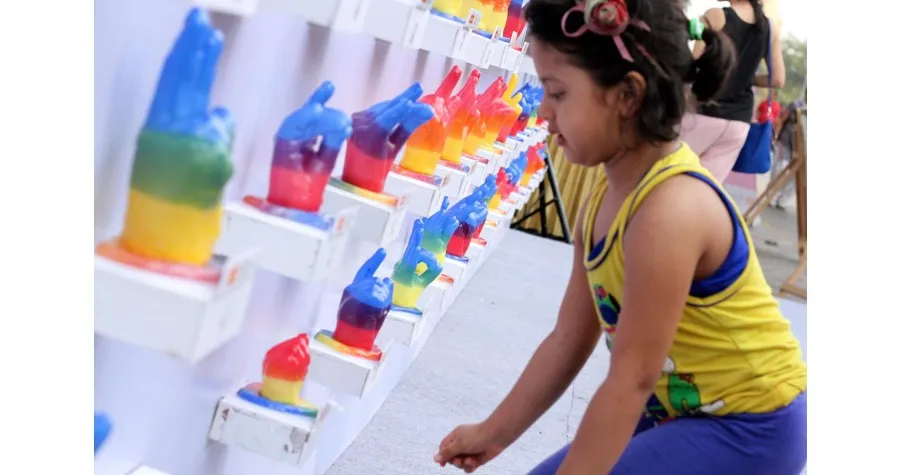
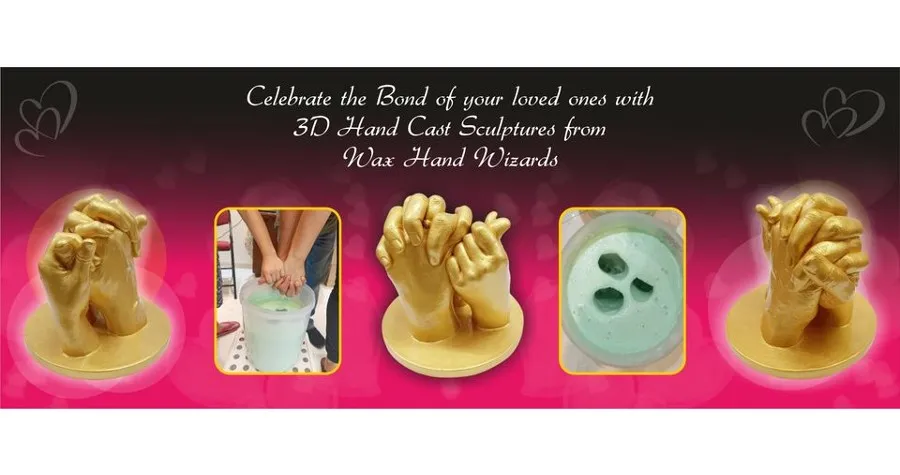
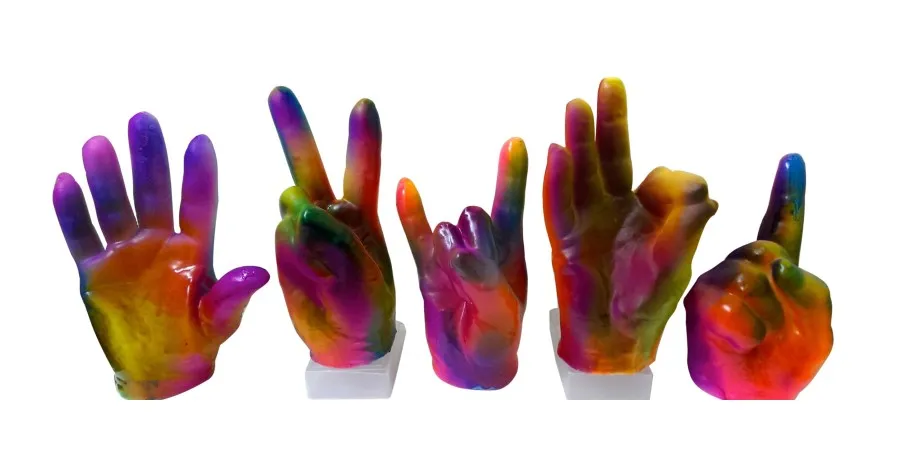
The Wax Hand Wizards franchise brings an internationally established interactive entertainment concept to Indian malls, tourist attractions, and commercial leisure spaces: the live creation of three-dimensional wax sculptures of a customer’s own hands, cast on-site in real time. The format has a forty-year operating history internationally and has been building its India presence since 2012, positioning itself at the intersection of impulse leisure spending, souvenir culture, and the growing appetite for participatory experiences that mall and tourism operators are actively seeking to place in their venues. For an investor evaluating where experiential retail is headed in India, this model warrants a close look.
Wax Hand Wizards in the Context of India’s Travel and Hospitality Growth
India’s domestic tourism economy has expanded well beyond its traditional pilgrimage and heritage circuits. Urban families and younger consumers now visit malls, theme parks, and commercial leisure destinations as planned leisure outings—spending on activities, experiences, and keepsakes that give those visits a tangible dimension beyond food and retail. Wax Hand Wizards is positioned precisely at this intersection: a compact, high-visibility activity kiosk that converts footfall into paying participants and a physical souvenir into a memory. The structural shift this brand is built to capture is the consumer preference for experiences over passive observation—the same force driving growth across escape rooms, interactive museums, and activity-based entertainment formats across Indian cities.
Why Travel and Hospitality Demand Is Structurally Growing in India
Several converging factors make this a favourable period to evaluate activity-based entertainment franchises in India. Discretionary household spending among urban middle-class families has grown substantially, and a larger share of that spending is now directed toward leisure activities rather than goods. Mall developers across Tier 1 and Tier 2 cities are actively diversifying their entertainment tenant mix away from multiplex dependency, seeking interactive formats that drive dwell time and repeat visits. Simultaneously, India’s domestic tourism infrastructure—new highways, regional airports, and state tourism investment—is opening corridors that previously had limited organised leisure infrastructure. Families visiting hill stations, beach destinations, and heritage cities increasingly encounter entertainment kiosks as part of the organised tourism experience. Wax Hand Wizards, with its compact footprint and immediate visual appeal, is a natural fit for each of these settings.
What the Wax Hand Wizards Franchise Provides That Independent Operators Cannot Match
An independent operator attempting to replicate the wax hand experience format from scratch faces two immediate obstacles that the franchise relationship resolves. The first is proprietary equipment: Wax Hand Wizards operates its own production facility for the Eureka range of wax hand machines and manufactures the Flexi-Wax compound used in every casting. An independent cannot source these inputs through generic supply channels—the equipment and materials are controlled by the franchisor, giving every franchisee a product consistency and reliability that cannot be reverse-engineered cheaply or quickly. The second is the operational know-how that determines whether a customer’s cast succeeds on the first attempt. Technique failures in a live, public setting are visible and reputationally costly. Franchisees receive the training and process framework that makes consistent output achievable from day one, before they have accumulated their own experiential knowledge.
Geographic Opportunity: Where Wax Hand Wizards Is Expanding in India
Ten operational locations across a network that has been building for over a decade means significant geographic white space remains across virtually every region of the country. The most immediately compelling opportunities are in cities and tourism corridors where organised mall infrastructure and domestic tourist volume intersect: Jaipur, Amritsar, Kochi, Coimbatore, Bhubaneswar, and Indore each have the combination of consumer footfall, tourism activity, and commercial real estate development that supports a high-visibility kiosk format. Hill station and beach destination clusters—Manali, Mussoorie, Goa’s resort corridor, and the Kerala backwaters region—represent a parallel tourism-anchored opportunity where families seeking activity-based souvenirs are already present in volume. Investors with existing mall relationships or tourism venue connections in any of these markets are positioned to open conversations about placement before competitors establish presence.
Online Disruption and How Wax Hand Wizards Is Positioned
The wax hand experience is categorically immune to the primary form of digital disruption that has reshaped retail and travel: it cannot be purchased online and delivered to a doorstep, and it cannot be replicated by a screen-based alternative. The product is the live act of creation—the customer’s hands in the wax, the emerging sculpture, the social moment of watching it form. This is a physical participation experience with a tangible output, not a service that can be intermediated by an online platform. Digital platforms serve the Wax Hand Wizards model as a discovery and marketing channel—social media sharing of completed sculptures generates organic awareness—but they do not threaten the model’s core transaction or margin structure the way they do in travel booking or product retail.
Competitive Differentiation in an Increasingly Crowded Market
The most important competitive moat for a Wax Hand Wizards franchise is not the activity concept itself—it is the proprietary input materials and equipment that make consistent execution possible. Any operator attempting to build a competing format without access to the Eureka machine range or the Flexi-Wax compound faces a product quality and consistency gap that is difficult to close. Beyond the equipment advantage, the brand’s forty-year international operating history provides a credibility signal that matters when negotiating placement with mall operators and tourism venue managers who evaluate entertainment tenants carefully before allocating space. A known international brand with an Indian operating track record is a more persuasive tenant proposition than an unknown independent concept, and that placement access compounds over time as the franchisee builds a performance record at their location.
Who Builds a Profitable Wax Hand Wizards Franchise
The franchisee who generates consistent revenue in this format combines two capabilities: the interpersonal confidence to engage passing mall or tourism footfall directly—converting browsers into paying participants through live demonstration—and the relationship capital to secure placement agreements with venue operators who control access to high-footfall locations. The first capability is operational; the second is strategic. A franchisee who can place their kiosk in a premium mall anchor corridor, a popular tourist attraction entry point, or a recurring festival circuit has a structural revenue advantage over one operating in a lower-footfall location regardless of operational quality. Investors with existing relationships in mall management, tourism property operations, or event organising are therefore not just compatible profiles for the Wax Hand Wizards franchise—they are operationally advantaged from the moment they begin the site selection process.
Accepting franchise applications in 31 states & UTs
How does Wax Hand Wizards compete with online travel aggregators in India?
The Wax Hand Wizards model operates entirely outside the OTA competitive dynamic. The product is a live, on-site physical experience that cannot be booked in advance or delivered remotely. Online platforms function as a discovery and awareness channel for the brand rather than as intermediaries who take margin from transactions. The revenue model is direct: a customer present at the kiosk pays for their experience on the spot.
Is a Wax Hand Wizards franchise viable in Tier 2 and Tier 3 Indian cities?
Viability in smaller cities depends on the quality and volume of footfall at the specific location rather than on city size alone. A well-placed kiosk in a Tier 2 city's primary mall or at a major regional tourist attraction can outperform a poorly placed unit in a metro. The compact format—requiring only 50 to 100 sq.ft—keeps fixed costs low enough that viable footfall thresholds are achievable in cities well below the metro tier.
What is the impact of seasonality on Wax Hand Wizards franchise revenue?
Seasonality is rated low for this category, reflecting the year-round nature of mall and commercial venue footfall that drives the core business. Festival periods and school holidays generate identifiable demand peaks as family outings increase. Tourism-anchored locations show seasonal patterns aligned with their destination's visitor calendar. The diversified placement options—malls, tourist sites, corporate events, festivals—give franchisees the ability to pursue revenue across multiple footfall contexts rather than depending on a single seasonal cycle.
How does Wax Hand Wizards support franchisees in building corporate travel accounts?
The corporate and institutional channel for Wax Hand Wizards runs through events rather than travel accounts. Corporate team outings, employee engagement events, product launches, and festival activations are the B2B contexts where the format generates high-volume participant sessions. Franchisees with corporate connections can pitch the experience as an interactive activation element for events, generating group bookings that are more revenue-dense than individual walk-in participation.
What is Wax Hand Wizards's expansion strategy for India over the next two years?
The brand's selective growth approach—averaging fewer than one new unit per year across its India franchising history—reflects a focus on placement quality and franchisee suitability over volume. Investors evaluating the Wax Hand Wizards franchise should expect the franchisor to prioritise location viability and operator capability in the assessment process. The remaining geographic opportunity across India is substantial, and the expansion pace is likely to accelerate as brand awareness builds and mall operators in new cities become familiar with the concept's footfall performance.
Disclaimer: All scores, rankings, and estimates on ForeFind are independently produced editorial assessments using publicly available data and validated brand-submitted information. They are not verified facts, financial advice, or investment recommendations. Full Disclaimer.
