



What Vedic Apparel Pvt. Ltd. Sells and Who Buys It
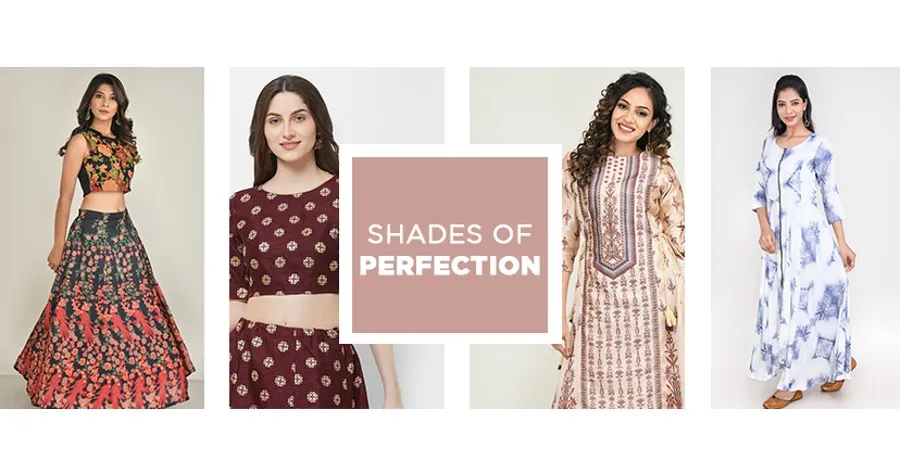
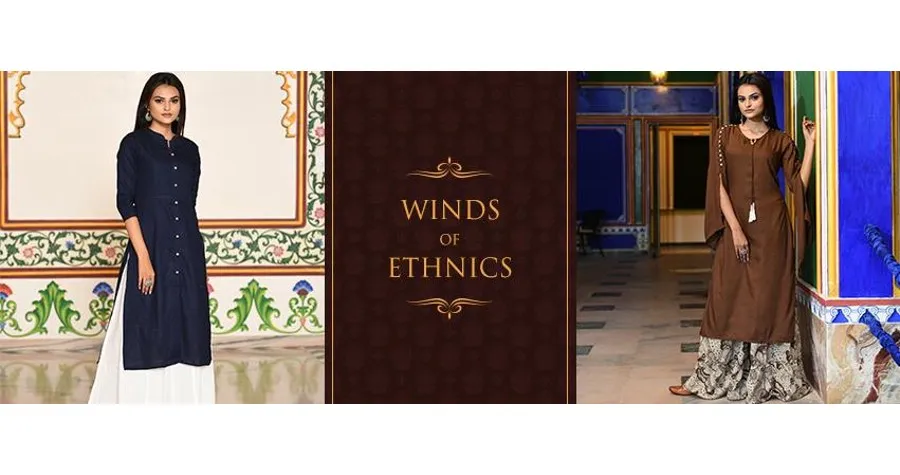
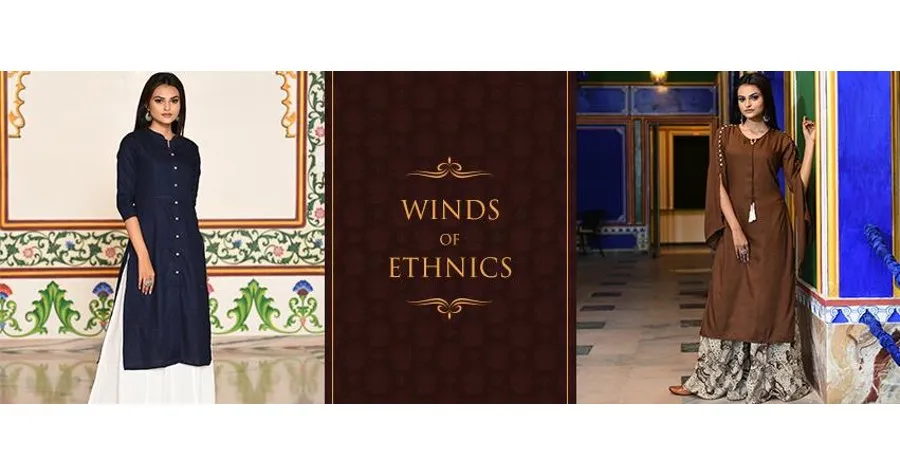
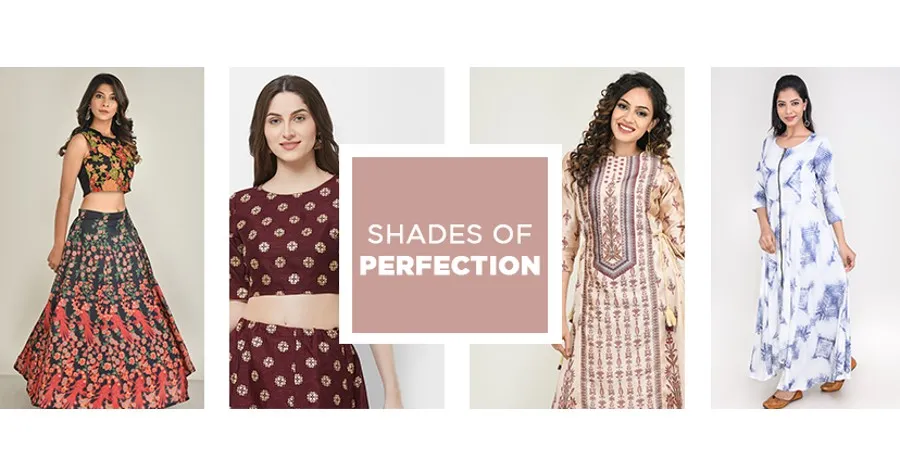
A Vedic Apparel Pvt. Ltd. franchise centers on Indo-western casual wear for women, blending traditional Indian craft elements like handwork detailing with the ease of modern casual silhouettes, alongside a smaller evening-wear line for occasion dressing. This dual range matters commercially because it gives the store two distinct reasons for a customer to walk in: everyday wardrobe replenishment and special-occasion shopping. The core buyer tends to be a woman who wants her clothing to feel rooted in Indian aesthetic sensibility without sacrificing the comfort and versatility of casual western wear, a positioning that resonates strongly with working women and college-age shoppers alike. Repeat purchase in this category is driven by two separate rhythms: routine casual-wear replenishment happens fairly often, while evening-wear purchases cluster around weddings and festive occasions, meaning a well-run store needs to serve both buying patterns without either range crowding out the other on the floor.
What Happens in a Vedic Apparel Pvt. Ltd. Store Every Day
The day typically opens with a floor and stockroom check, confirming that overnight inventory matches the previous evening’s closing count and that new arrivals are positioned for visibility. Through the day, the franchisee or a senior team member generally takes the lead on higher-consideration conversations, particularly around evening wear where a customer is weighing occasion, fit, and styling together, while routine tasks like folding, replenishing shelf stock, and basic billing can be handled by trained floor staff. Closing procedures include POS reconciliation against the day’s recorded transactions and a final walkthrough to identify items needing repositioning before the next business day. The franchisee’s most valuable daily input isn’t in routine execution but in noticing which pieces from the casual and evening ranges are converting well and adjusting floor emphasis accordingly, since misjudging this balance can leave one category overstocked while the other runs short.
Merchandise Planning, Display and Visual Standards
Indo-western fashion retail depends heavily on how well a store communicates the fusion aesthetic at the heart of the brand, meaning display standards typically emphasise pairing traditional handwork pieces with casual staples to show customers how the two ranges work together rather than displaying them as separate collections. New product ranges generally arrive on a seasonal cycle aligned with festival and wedding calendars, giving the franchisee a predictable rhythm for refreshing window displays and floor layouts ahead of peak buying windows. Slow-moving inventory is typically addressed first through repositioning, moving an underperforming piece into a styled outfit combination or a more visible display zone, before resorting to markdown, since Indo-western pieces often sell better once a customer sees how they can be styled rather than viewed in isolation. Maintaining this visual standard day to day generally falls to the franchisee or a designated senior staff member, given how directly presentation affects conversion in this category.
Staff Requirements and the Hiring Reality
Finding staff for a team of two to eight in a Tier 2 city presents a genuine hiring challenge, since retail workers with both styling sense and familiarity with Indo-western fashion trends are less common outside major fashion retail centres. Most franchisees find success hiring for customer engagement ability and trainability first, then building product and styling knowledge through structured on-floor coaching once staff are on board. Retention tends to improve meaningfully when staff are given ownership over a specific area, such as becoming the store’s go-to person for evening-wear styling consultations, rather than being rotated across undifferentiated floor duties. In a hiring market where retail wages continue to rise, franchisees who invest in this kind of role-specific training and recognition typically retain staff longer than those relying purely on competitive pay.
Supply Chain, Reordering and Inventory Management
Franchisees typically place replenishment orders through a centralised system connected to the brand’s design and production pipeline, with lead times that require forward planning given the detailing and craftsmanship involved in Indo-western garments compared to plain casual basics. Minimum order quantities generally apply per style to keep production runs viable for the brand, which means a franchisee benefits from tracking local sales patterns closely enough to order with confidence rather than guessing. When a popular piece sells out ahead of the next delivery, the practical response is usually to guide the customer toward a similar design or complementary piece currently in stock rather than commit to a specific restock timeline, since handwork-detailed garments typically can’t be replenished on short notice the way simpler casual stock can. Planning inventory several weeks ahead of known festive and wedding-season demand is what separates franchisees who avoid empty racks from those who lose sales during the category’s most important selling windows.
Brand Support: Marketing, Promotions and National Campaigns
Franchisees generally receive brand creative assets, seasonal campaign material, and styling content tied to the fusion-fashion identity that can be adapted for store-level promotion. What typically remains the franchisee’s responsibility is funding and executing local activation, whether through neighbourhood social media promotion, in-store styling events, or outreach timed to a campaign’s launch. National campaigns are usually activated locally by aligning window and mannequin displays, along with staff talking points, to the centrally released creative direction, giving individual stores brand-consistent visibility without needing a dedicated marketing function. Franchisees who treat these campaign windows as active selling opportunities, briefing staff and refreshing the floor to match, generally see stronger footfall conversion during these periods than those who leave the materials unused.
Who Runs a Vedic Apparel Pvt. Ltd. Store Successfully
The franchisees who build a genuinely successful Vedic Apparel Pvt. Ltd. store are typically present on the floor during peak hours, not because staff can’t manage transactions, but because styling guidance around how to pair fusion pieces is what converts browsing into purchase in this category. A close understanding of the local customer, what occasion wear a particular city’s buyers need for their specific festival and wedding calendar, matters as much as capital, since this category rewards curatorial instinct over sheer inventory volume. Investors who delegate all store management from day one, treating the franchise as a hands-off asset, consistently struggle because the constant merchandise refresh and styling engagement this category demands simply doesn’t run itself without active, ongoing attention.
Accepting franchise applications in 34 states & UTs
What space is required for a Vedic Apparel Pvt. Ltd. franchise store?
Store size requirements are assessed on a location-by-location basis depending on catchment and format, and prospective franchisees are advised to discuss specific space guidance directly with the brand during inquiry.
How long does the setup process take for a Vedic Apparel Pvt. Ltd. store?
Given a moderate setup complexity, the process from site finalisation to store opening generally takes a few months, covering fit-out, initial inventory arrival, and staff training before launch.
What product training and retail operations training does Vedic Apparel Pvt. Ltd. provide?
Franchisees and staff typically receive training covering Indo-western styling guidance, product knowledge across the casual and evening-wear ranges, and core store operations such as visual merchandising, POS handling, and stock management.
Can a Vedic Apparel Pvt. Ltd. store be run semi-absentee with a store manager in place?
While a trained manager can handle daily operations, the category's reliance on styling engagement and seasonal merchandise planning means outcomes tend to be stronger when the franchisee stays actively involved rather than fully stepping back.
How does Vedic Apparel Pvt. Ltd. support franchisees during festive season demand peaks?
Support during festive and wedding-season peaks typically includes seasonal campaign creatives, timed evening-wear range releases, and styling guidance, with the franchisee responsible for local execution and staffing adjustments to match the surge.
Disclaimer: All scores, rankings, and estimates on ForeFind are independently produced editorial assessments using publicly available data and validated brand-submitted information. They are not verified facts, financial advice, or investment recommendations. Full Disclaimer.
