


Tiffin Express Franchise: How the Business Works and What to Expect as an Owner
What Tiffin Express Is and How It Got Here
Tiffin Express began in Mumbai’s Matunga and Byculla neighbourhoods — areas with dense working populations and a long-standing cultural appetite for reliable, home-style vegetarian food delivered to offices and homes. The original format was straightforward: a tiffin delivery service for corporate clients who wanted consistent, hygienic, affordable vegetarian meals on a subscription or regular-order basis. Over time, the service model expanded beyond daily tiffin supply to include canteen and pantry management contracts, as well as event and occasion catering for weddings, religious functions, and private gatherings. The brand carries ISO 9001-2008 certification, which speaks to process documentation standards that became part of the operational identity early. A Tiffin Express unit today operates as a compact production and dispatch kitchen — vegetarian, fresh-prepared daily, serving both individual meal subscribers and institutional clients from the same physical base.
A Franchisee’s Typical Operating Day
The morning shift is the hardest part of the day. Corporate tiffin subscriptions require meal preparation, portioning, and packaging to be complete before the first delivery window — typically between 9 and 11 AM for office deliveries. This means kitchen activity starts early, with ingredient prep beginning before most retail food businesses have unlocked their shutters. The franchisee’s role during this period is supervisory: making sure the kitchen team is on pace, that portion consistency is maintained, and that packaging meets the hygiene standards required under the FSSAI licence.
Post-dispatch, the operational intensity drops but does not stop. Walk-in customers and platform orders for lunch fill the midday window. Afternoon hours shift to administrative work: reviewing daily sales, coordinating with corporate clients on next-day order quantities, managing ingredient procurement for the following morning, and handling any staff scheduling gaps. The event catering side of the business requires advance planning — quote preparation, menu confirmation, logistics coordination — which typically happens during these quieter afternoon hours. The franchisee who manages all of this well is not doing so from a distance. They are present, making real-time decisions, and the business reflects that presence directly in service consistency.
The Kitchen, the Menu, and the Supply Chain
All food at a Tiffin Express unit is prepared fresh daily on-site. There is no central production facility supplying pre-made meals to franchisees — the kitchen produces what it sells each day, which means raw material procurement, preparation, and quality control are entirely within the franchisee’s operational scope. The menu is vegetarian, which simplifies certain aspects of inventory management (no protein cold-chain complexity) but requires daily procurement of fresh vegetables, dairy, and grains that are cooked and served within the same day.
In a Tier 2 city, this supply chain is generally manageable but requires deliberate planning. Local sabzi mandis and wholesale suppliers can meet the procurement needs of a 175 to 200 square foot unit producing tiffin for individual subscribers and small corporate accounts. The challenge is consistency: produce quality and availability fluctuate, and a franchisee who has not built reliable backup supplier relationships will face service disruptions during peak agricultural seasons or regional supply disruptions. Franchisees who treat procurement as a daily discipline — not a reactive task — maintain the food consistency that tiffin subscribers expect and that corporate clients require for continued contracts.
Location: What Works and What Kills the Business
For a tiffin and catering format, the surrounding catchment matters far more than the street-front visibility of the unit itself. The strongest locations sit within easy delivery radius of corporate office clusters, business parks, college campuses, or high-density residential buildings where working professionals live alone or in small groups and rely on subscription meal services. A unit in a quiet residential lane with low-density housing will struggle to generate enough individual subscriber volume to cover fixed costs, even if the food quality is high.
Delivery logistics are a practical operational consideration that location affects directly. A unit positioned more than three to four kilometres from its primary customer concentration will face longer delivery times, higher delivery costs, and greater rider coordination complexity — all of which erode both margins and customer satisfaction. Within 500 metres, franchisees should assess the presence of existing tiffin services, local mess operations, and home-based tiffin providers, which represent the most direct competition in this segment. These informal operators often undercut on price, which makes location-level demand density — having enough customers within range who value consistency and hygiene over price — a critical selection criterion.
Staff: Hiring, Training, and the Retention Problem
A functional Tiffin Express unit typically requires a cook or kitchen lead, two to three kitchen assistants for preparation and packaging, and one to three delivery personnel depending on order volume and geographic spread. In larger units handling event catering alongside daily tiffin, the team expands to cover serving staff for on-site events. Finding a reliable kitchen lead is the most critical hire — this person carries the food quality consistency that determines subscriber retention, and replacing them mid-operation is disproportionately disruptive.
In smaller cities, recruitment for kitchen roles happens most effectively through local culinary training institutes, community referrals, and word-of-mouth within the food service labour pool rather than formal job platforms. Retention in this segment is a persistent challenge: kitchen staff in tiffin and catering operations face early morning starts and physically demanding conditions, and competing employers — hotels, restaurants, and larger catering companies — frequently poach trained personnel with slightly better pay. Each departure costs the franchisee retraining time, a period of reduced output quality, and management attention that cannot be redirected to business development during the transition. Franchisees who build stable teams through consistent scheduling, fair wages, and basic working environment investments see lower turnover rates and more predictable service quality as a result.
What the Franchisor Handles So You Do Not Have To
Tiffin Express provides the brand identity, operational training, marketing assistance, and advertising support that give the franchisee a starting position that an independent tiffin business cannot manufacture quickly. The menu framework, hygiene standards, and service protocols are documented and transferred through the training process. Brand recognition — particularly important when approaching corporate clients who require a degree of institutional credibility before committing to meal contracts — is part of what the franchise licence provides from day one.
What the franchisee manages entirely on their own: daily food production, raw material procurement, staff hiring and retention, local sales and corporate account development, FSSAI licence compliance and renewal, premises lease management, and cash flow oversight. Marketing support from the franchisor provides a foundation, but local client acquisition — the calls, visits, and relationship-building that convert a corporate HR manager into a recurring tiffin contract — is the franchisee’s work. The distinction between what the system provides and what the owner must generate independently is the most important thing to understand before signing the Tiffin Express franchise agreement.
Who Runs a Tiffin Express Franchise Successfully
The franchisee who performs consistently well in this format is present at the outlet every morning during production, knows their regular corporate clients by name, and treats the hygiene and portioning standards as non-negotiable daily discipline rather than aspirational guidelines. Family-backed investors who bring financial stability and a long-term orientation outperform those chasing short-term returns, because tiffin businesses are built on subscriber loyalty that compounds slowly and erodes quickly when service slips. Prior experience in food service or corporate sales accelerates the learning curve on both the production and account development sides of the business.
Absentee investors who hire a manager to run the operation while remaining uninvolved consistently find that food quality drifts, subscriber churn increases, and corporate accounts do not renew — because the format depends on owner-level accountability that hired management at this budget level rarely replicates.
How much space does a Tiffin Express franchise require?
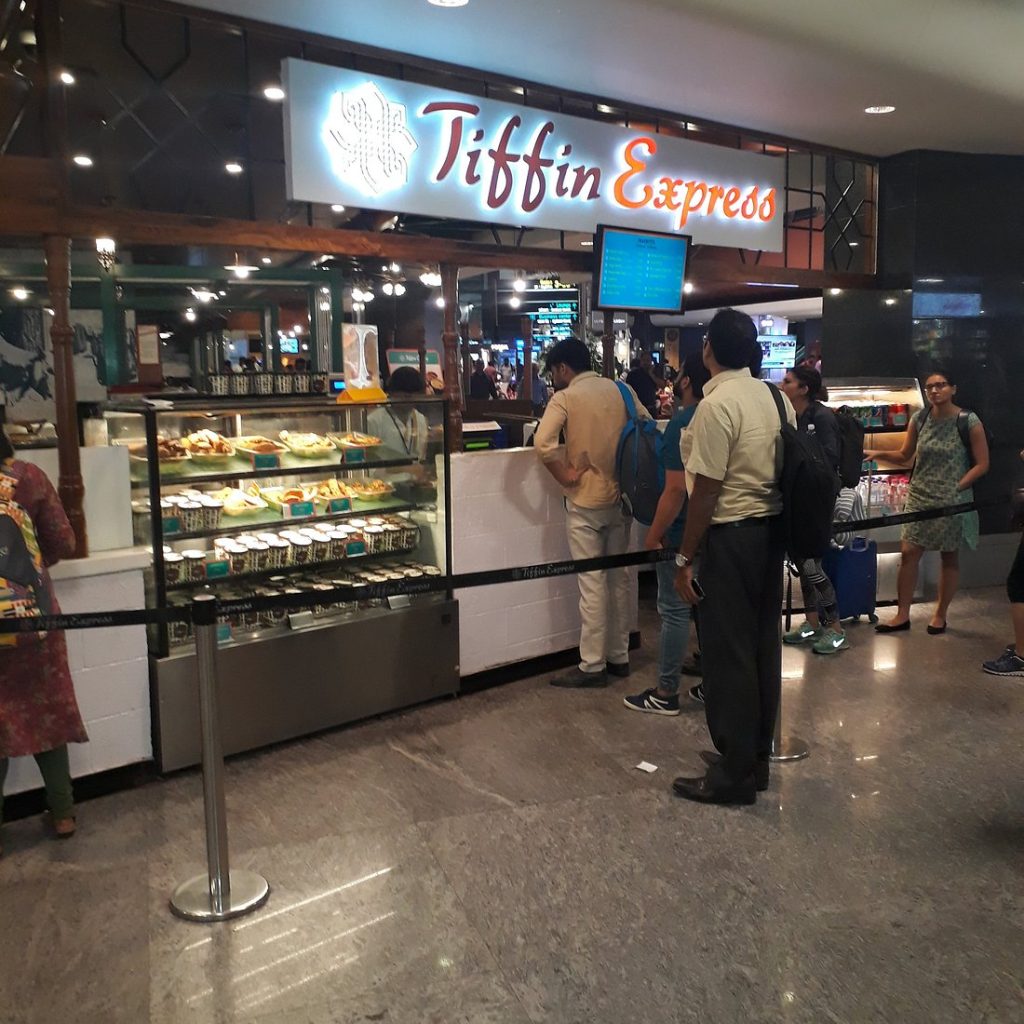
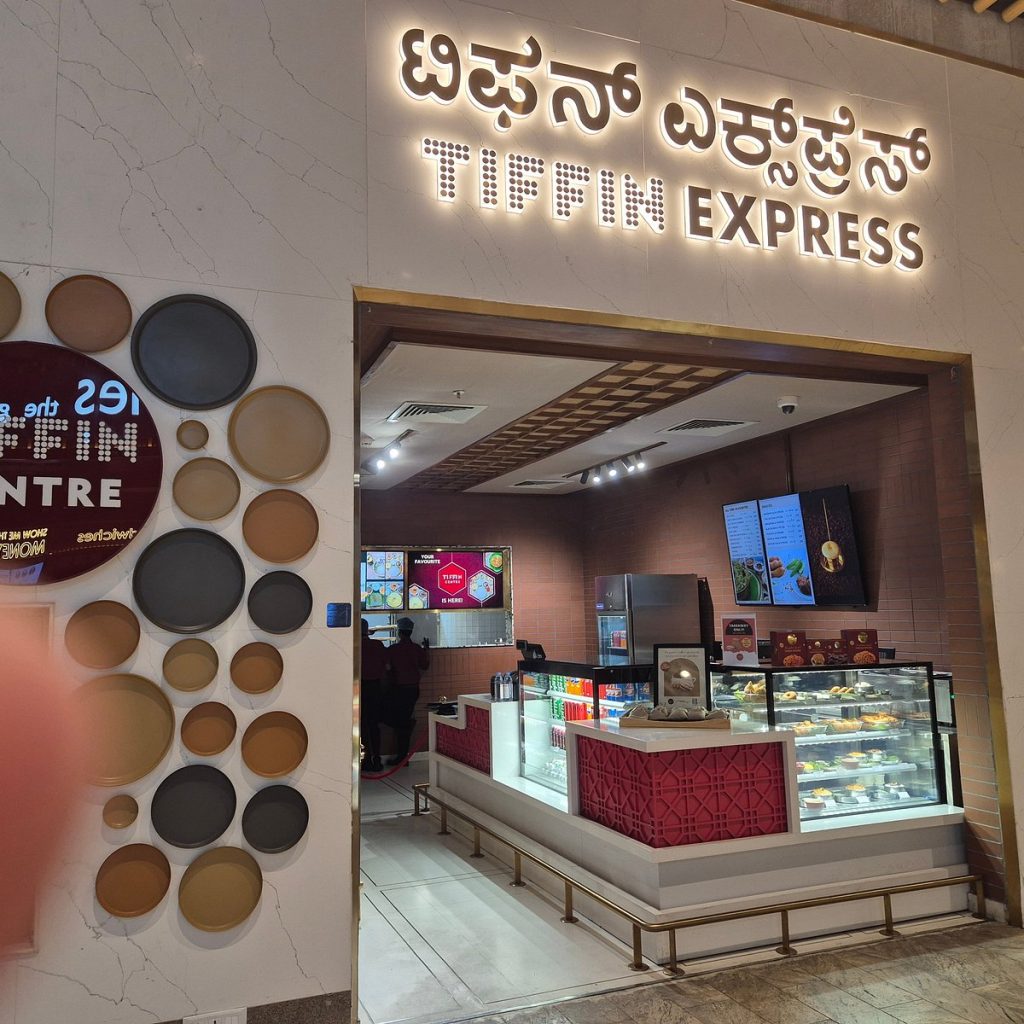
A Tiffin Express franchise unit requires between 175 and 200 square feet of commercial space. This compact footprint is designed for a production and dispatch kitchen rather than a dine-in setup. The layout accommodates food preparation, packaging, and order management within the available area, making it feasible in a range of commercial locations including market complexes and ground-floor units near office or residential zones.
How long does it take to set up and open a Tiffin Express outlet?
Setup timelines for food service franchises in this format typically range from four to ten weeks from agreement signing to opening day. The variables include the pace of FSSAI licensing through local authorities, equipment procurement lead times, and the condition of the chosen premises. Franchisees in cities with active municipal inspection queues should plan for the longer end of that range and avoid committing to corporate client start dates before the unit is fully operational.
What training does Tiffin Express provide before opening?
Pre-opening training covers food preparation standards, hygiene protocols, service procedures, and the brand's operational requirements. Marketing assistance and advertising support are also part of the franchisee benefit structure. The depth and format of training — whether classroom, on-site, or a combination — should be confirmed directly with the franchisor, as delivery methods vary across the network.
Can a Tiffin Express franchise operate without the owner being present daily?
The format is structured as an owner-operated model, and daily presence is a practical necessity rather than a preference. Tiffin subscription businesses depend on food quality consistency and subscriber trust that require active ownership oversight — particularly during the early morning production window when the day's orders are prepared. Delegated management at this operational scale and budget typically results in service quality degradation within weeks of the owner stepping back.
How many Tiffin Express outlets are currently operating in India?
Tiffin Express currently has ten operational franchise units. The network has grown at a measured pace over sixteen years of franchising, reflecting selective expansion rather than volume-driven scaling. For prospective investors, this means entering a system with genuine operational longevity and a franchisee base that has been onboarded carefully over time.
Disclaimer: All scores, rankings, and estimates on ForeFind are independently produced editorial assessments using publicly available data and validated brand-submitted information. They are not verified facts, financial advice, or investment recommendations. Full Disclaimer.
