



The Piano Project Franchise
Franchise Quick Facts
| Brand Name | The Piano Project |
|---|---|
| Industry / Business Category | Restaurant |
| Founded Year | 2019 |
| Franchise Started Year | 2024 |
| Total Franchise Outlets | 1–10 |
| Estimated Investment | INR 2 Cr – 5 Cr |
| Franchise Fee | INR 50 Lakh |
| Royalty Fee | 10% |
| Space Requirement | 5000–6000 sq.ft |
| Staff Requirement | Chefs, kitchen staff, service staff, event coordinators, administrative personnel |
| Expected Payback Period | 2–3 years |
1. What is The Piano Project?
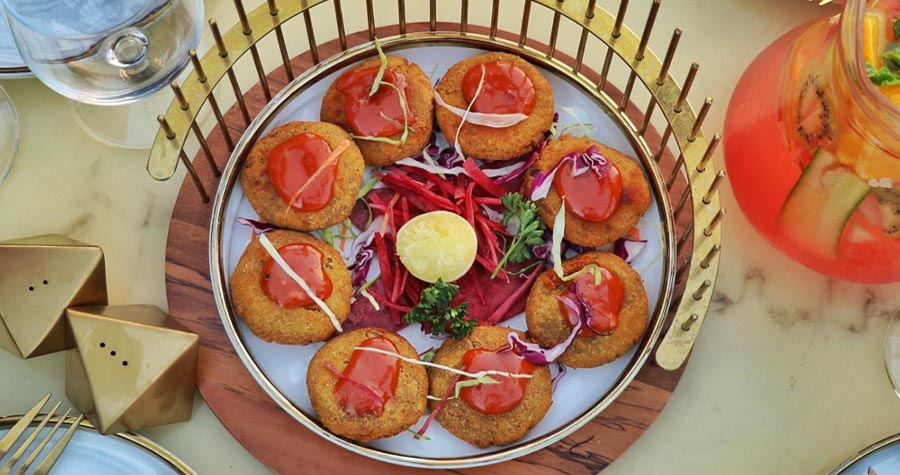
The Piano Project is a restaurant franchise that integrates live music performances with a curated dining experience. Operating in the restaurant and entertainment industry, it serves global cuisine, including meat, seafood, vegetarian, and vegan options. The franchise targets patrons seeking immersive dining, combining culinary excellence with live musical performances, placing it within the experiential restaurant franchise segment.
Business Concept
The brand delivers a dual-sensory experience where music and food are combined to create a distinctive dining environment. The concept differentiates itself by making live performances a core part of the guest experience, unlike conventional restaurants that treat music as background ambiance.
2. How the Business Works
Customers interact with the brand by visiting the restaurant, reserving tables for events, or attending scheduled live performances. Operations include food preparation, live event coordination, table service, and customer engagement. Revenue is generated through menu sales, event bookings, premium dining experiences, and beverage service, supported by consistent food quality and entertainment programming.
3. Products or Services Offered
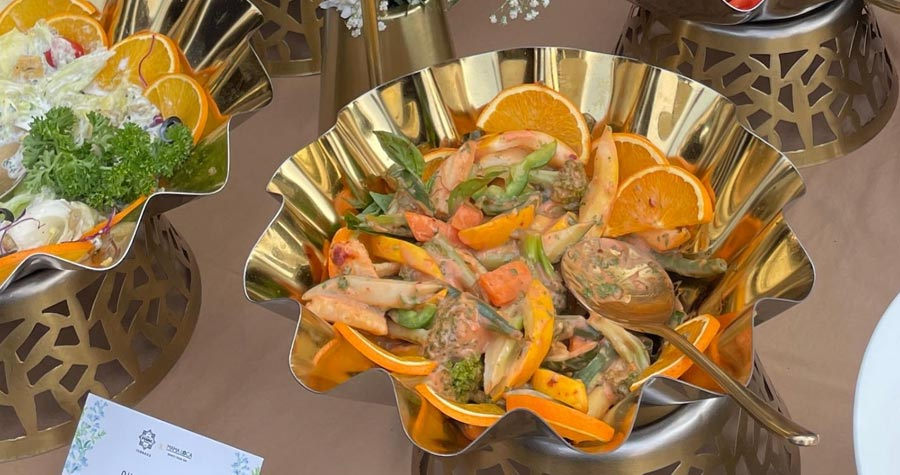
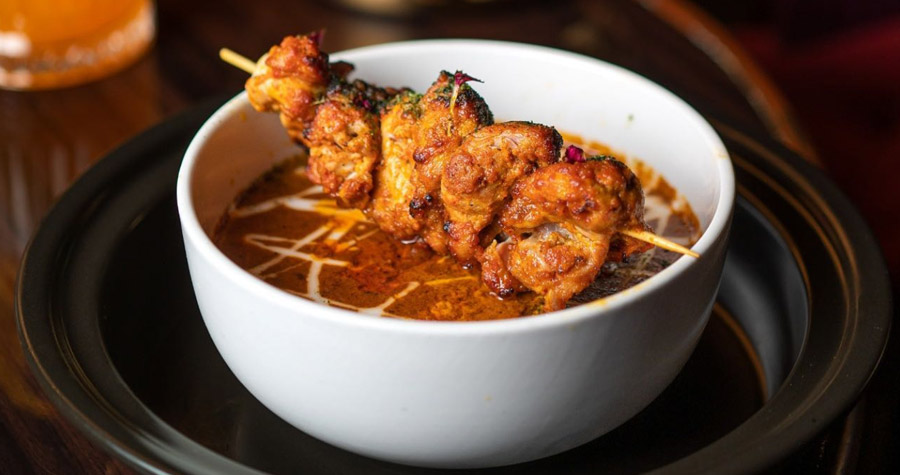
| Dining Experience | Multi-cuisine offerings including steaks, seafood, vegetarian, vegan, and seasonal dishes |
|---|---|
| Live Entertainment | Piano solos, vocalists, jazz ensembles, and full musical performances |
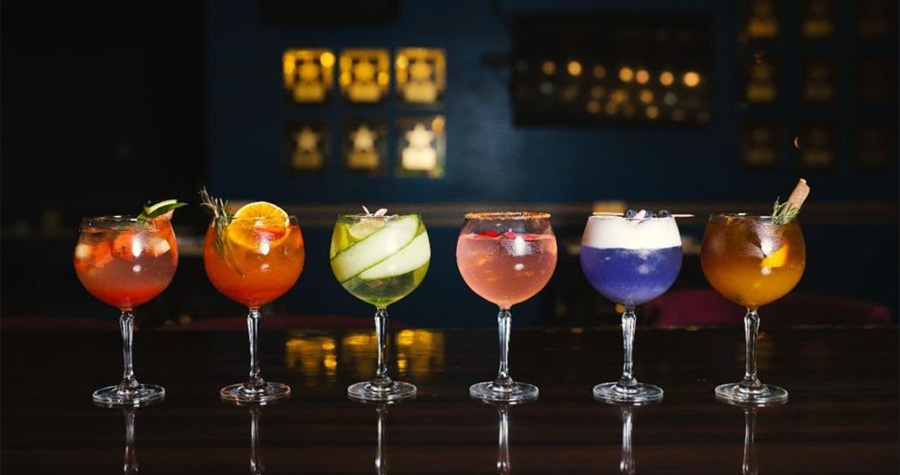
| Beverages | Alcoholic and non-alcoholic beverages curated to complement meals |
| Event Hosting | Special occasions, corporate dinners, and private performances |
| Desserts | Gourmet sweets and coffee pairings |
4. How the Franchise Model Works
Franchise partners operate restaurant locations following standardized operational and service protocols. Franchisees manage staffing, scheduling, food preparation, customer service, and event coordination. The franchisor provides support in branding, training, menu planning, live entertainment scheduling, and marketing campaigns to maintain consistency and customer satisfaction across all outlets.
5. Franchise Cost and Investment Overview
| Estimated Investment | INR 2 Cr – 5 Cr |
|---|---|
| Franchise Fee | INR 50 Lakh |
| Setup Costs | Interior design, kitchen equipment, performance stage, sound systems, furniture, initial inventory |
| Royalty Fees | 10% of revenue |
| Operational Costs | Staff salaries, utilities, food ingredients, beverage inventory, event-related expenses |
6. Space and Infrastructure Requirements
| Space Requirement | 5000–6000 sq.ft |
|---|---|
| Location Type | Urban areas with high footfall, premium dining zones |
| Equipment Needs | Professional kitchen, sound and lighting systems, stage setup, seating and dining furniture |
| Staffing Considerations | Culinary team, service staff, event coordinators, technical staff for music and AV support |
7. Franchise Support and Training
Franchise partners receive comprehensive support including:
- Operational training in food preparation, service, and event coordination
- Guidance on interior layout and stage setup for live performances
- Marketing and promotion strategies for local customer engagement
- Access to curated menus, supplier networks, and entertainment scheduling
- Ongoing operational support for quality control and customer satisfaction
8. Revenue Model and ROI Factors
Revenue is generated from dining services, beverage sales, event bookings, and premium menu experiences. Drivers include urban clientele seeking high-quality food combined with live entertainment. Repeat customer potential is high through loyalty programs, events, and seasonal menu updates. Operational efficiency, staff training, and entertainment scheduling directly influence profitability. Expected payback is 2–3 years.
9. Brand Background and Expansion
Founded in 2019, The Piano Project introduced franchising in 2024. The brand focuses on expanding in metropolitan areas and premium dining districts, emphasizing immersive dining experiences that blend global cuisine with live musical performances. Expansion plans include scaling up to multiple locations while maintaining service and entertainment standards.
10. Key Advantages of the Franchise
- Unique fusion of fine dining and live music performance
- Multi-cuisine menu appealing to a broad customer base
- High repeat customer potential through event programming and loyalty
- Structured franchise support including operational, marketing, and entertainment guidance
- Access to a premium, experiential restaurant segment with growing urban demand
12. Similar Franchise Opportunities
- Hard Rock Café – Music-themed dining with global cuisine
- The Piano Man Jazz Club – Live music and dining experiences
- Bourbon Street – Entertainment-focused restaurant with live performances
- SMAAASH Kitchen – Dining and entertainment integrated experiences
- The Piano Bar & Grill – Premium casual dining with live music
This profile positions The Piano Project as a franchise that combines experiential dining with live entertainment, offering strong revenue potential, brand support, and a niche in the growing experiential restaurant segment.
Accepting franchise applications in 35 states & UTs
What is the investment required for The Piano Project franchise?
The estimated investment ranges from INR 2 Cr to 5 Cr, covering setup, kitchen and stage equipment, interior design, and initial operational costs.
How does The Piano Project franchise business work?
Franchisees manage the restaurant operations including food preparation, service, and event coordination, while following brand standards for menu, live entertainment, and customer experience.
What space is required for this franchise?
Outlets require 5000–6000 sq.ft, suitable for dining areas, stage setup, and kitchen facilities.
How long does it take to recover the investment?
The expected payback period is 2–3 years, depending on location, event attendance, and operational efficiency.
How can investors apply for the franchise?
Prospective franchisees submit an application to the franchisor, followed by evaluation, training, and outlet setup guidance to ensure operational and brand compliance. ## 12. Similar Franchise Opportunities
Disclaimer: All scores, rankings, and estimates on ForeFind are independently produced editorial assessments using publicly available data and validated brand-submitted information. They are not verified facts, financial advice, or investment recommendations. Full Disclaimer.
