



About the brand
The Kati Roll Shop Franchise
Franchise Quick Facts
| Brand Name | The Kati Roll Shop |
|---|---|
| Industry | Food & Beverage |
| Business Category | Quick Service Restaurant / Street Food |
| Founded Year | 2012 |
| Franchise Started Year | 2018 |
| Total Franchise Outlets | 10–20 |
| Estimated Investment | INR 5–10 Lakhs |
| Franchise Fee | INR 3,00,000 |
| Royalty Fee | 5% of revenue |
| Space Requirement | 150–200 sq. ft. |
| Staff Requirement | Kitchen staff, service personnel, and management supervision |
| Expected Payback Period | 2–3 years |
1. What is The Kati Roll Shop?
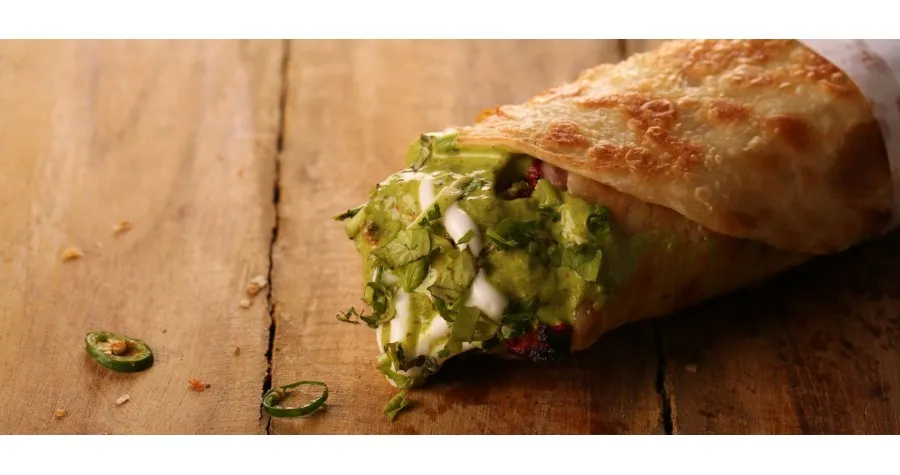
The Kati Roll Shop operates in the quick service restaurant sector, specializing in Kati rolls—a type of street food originating from Kolkata. It also offers select Chinese dishes and kebabs. The brand targets urban customers seeking convenient, flavorful, and affordable meals. It falls under the broader QSR franchise category, combining fast-casual dining with compact outlet operations.
The business concept emphasizes fast, consistent food preparation with high flavor appeal, catering to customers looking for both dine-in and takeaway options.
2. How the Business Works
Franchise outlets operate as quick-service kitchens with a counter or small dining space. Customers place orders for Kati rolls, kebabs, or Chinese dishes, which are prepared on-site using standardized recipes. Daily operations involve ingredient preparation, cooking, order fulfillment, and customer service. Revenue is generated primarily through individual meal sales, combo offers, and takeaway orders.
3. Products or Services Offered
Franchise outlets offer:
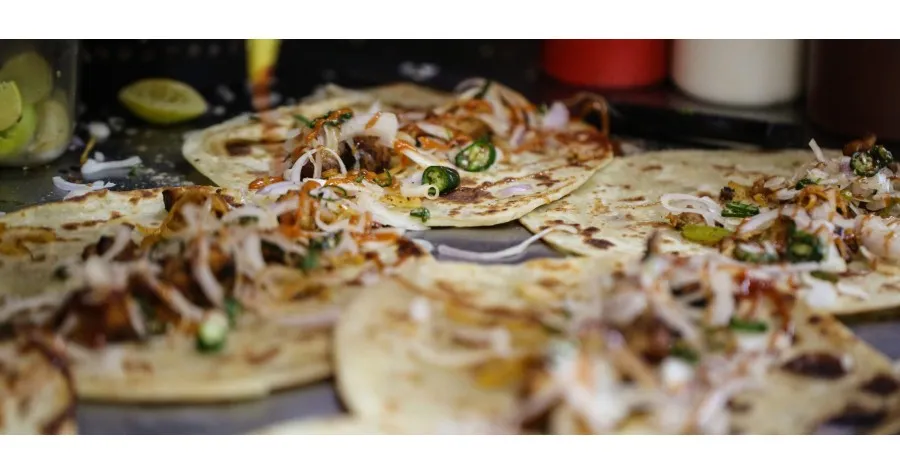
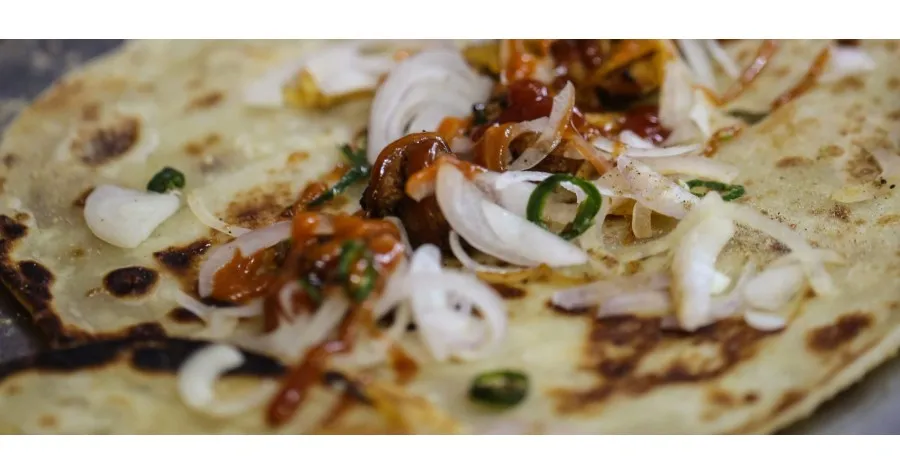
| Kati Rolls | Chicken, paneer, and vegetable fillings with parathas, onions, and chutneys |
|---|---|
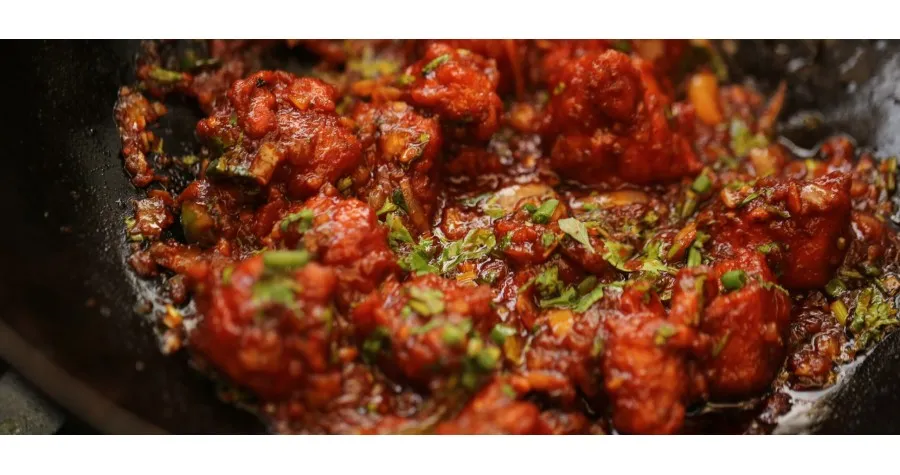
| Chinese Dishes | Selected fast-casual options to complement the roll menu |
| Kebabs & Grilled Items | Skewer-roasted specialties for dine-in and takeaway |
| Beverages & Sides | Accompanying drinks and snacks |
The menu is designed for quick preparation while maintaining taste consistency.
4. How the Franchise Model Works
Franchise partners manage daily operations, including food preparation, staffing, and customer service, within the brand’s operational framework. The franchisor provides training, recipes, operational guidelines, and marketing support. Outlets follow standardized menu and service protocols to maintain quality and brand identity across locations.
5. Franchise Cost and Investment Overview
Initial investment ranges from INR 5–10 Lakhs, covering kitchen equipment, initial inventory, setup, and marketing. The one-time franchise fee is INR 3,00,000, granting brand access and operational support. Ongoing royalty is 5% of revenue, contributing to brand development and franchise services. Typical setup costs include cooking equipment, counters, and outlet furnishing.
6. Space and Infrastructure Requirements
Setup considerations
| Space | 150–200 sq. ft., suitable for compact urban locations |
|---|---|
| Location Type | High-traffic streets, malls, or commercial zones |
| Equipment Needs | Skewers, grills, cooking equipment, refrigeration, and display counters |
| Staffing | Small team of cooks, service personnel, and manager |
This layout supports efficient operations in limited space.
7. Franchise Support and Training
Franchisees receive:
- Operational training in food preparation and hygiene
- Guidance for outlet layout and kitchen setup
- Marketing and promotional assistance
- Recipe standardization and quality control
- Ongoing operational support and troubleshooting
These systems ensure consistent service and product quality across outlets.
8. Revenue Model and ROI Factors
Revenue comes from meal sales, combo packages, and takeaway orders. Pricing is based on menu items and portion sizes. Demand is influenced by location, menu variety, and operational efficiency. Repeat customer potential is supported by signature rolls and consistent quality. Operational costs include raw materials, staff salaries, and utilities. Expected payback period is 2–3 years.
9. Brand Background and Growth
Founded in 2012, The Kati Roll Shop launched franchising in 2018. The network currently includes 10–20 outlets across South India, with expansion in urban and semi-urban markets. The brand focuses on compact, high-traffic locations and menu consistency to support scalable growth.
10. Key Advantages of the Franchise
- Established menu with signature street food appeal
- Compact outlet footprint allows flexible urban locations
- Low to moderate investment with manageable royalty structure
- Standardized operations and training support
- Growing consumer demand for fast-casual, flavorful meals
11. Who Should Consider This Franchise
This opportunity is suitable for:
- First-time entrepreneurs entering the food and beverage sector
- Investors seeking small-scale, high-traffic QSR outlets
- Experienced operators in retail or casual dining
- Individuals interested in fast-casual and street food concepts
13. Similar Franchise Opportunities
Investors may also consider:
- Roll Xpress – Street food and quick-service rolls
- Wow! Momo – Fast-casual snack and roll chain
- Faasos – Wraps, rolls, and quick meals
- Shawarma House – Urban QSR specializing in rolls and wraps
- Kathi Junction – Kati roll and fast-food franchise
Investment and financials
Investor fit profile
Franchise support
Brand strength
Licences and compliance
Gallery
Frequently asked questions
Total investment ranges from INR 5–10 Lakhs, including franchise fee, outlet setup, kitchen equipment, and initial inventory.
Franchisees manage cooking, order processing, staffing, and customer service, following standardized recipes and operational guidelines provided by the franchisor.
Outlets require 150–200 sq. ft., sufficient for a kitchen, counter, and limited customer area.
Expected payback period is 2–3 years, depending on location, footfall, and operational efficiency.
Interested franchisees contact the brand to submit an application and receive guidance on setup, training, and operational processes. ## 13. Similar Franchise Opportunities
Disclaimer: All scores, rankings, and estimates on ForeFind are independently produced editorial assessments using publicly available data and validated brand-submitted information. They are not verified facts, financial advice, or investment recommendations. Full Disclaimer.
