



About the brand
Thapa Ji Ke Momos Franchise
Franchise Quick Facts
| Brand Name | Thapa Ji Ke Momos |
|---|---|
| Industry / Business Category | Quick Service Restaurants |
| Founded Year | 2019 |
| Franchise Started Year | 2025 |
| Total Franchise Outlets | 1–10 |
| Estimated Investment | INR 10–20 Lakh |
| Franchise Fee | INR 5,00,000 |
| Royalty Fee | 3% |
| Space Requirement | 200–500 sq.ft |
| Staff Requirement | Varies with outlet size; includes kitchen and service staff |
| Expected Payback Period | 1–2 years |
1. What is Thapa Ji Ke Momos?
Thapa Ji Ke Momos operates in the quick service restaurant segment, specializing in Himalayan-inspired momos and Indo-Chinese cuisine. It serves customers seeking affordable, hygienic, and flavorful street food, targeting urban dwellers, students, families, and office-goers. The concept falls under fast-casual dining with a focus on quick service, takeaway, and delivery options.
2. How the Business Works
Customers engage with the brand through dine-in, takeaway, or delivery orders. Food preparation is done on-site following standardized recipes to ensure consistent taste and hygiene. Daily operations involve ingredient sourcing, cooking, order management, and customer service. Revenue is generated primarily through individual meals, combo packs, and group orders, supported by both walk-in and digital ordering channels.
3. Products or Service Categories
Franchise outlets typically offer:
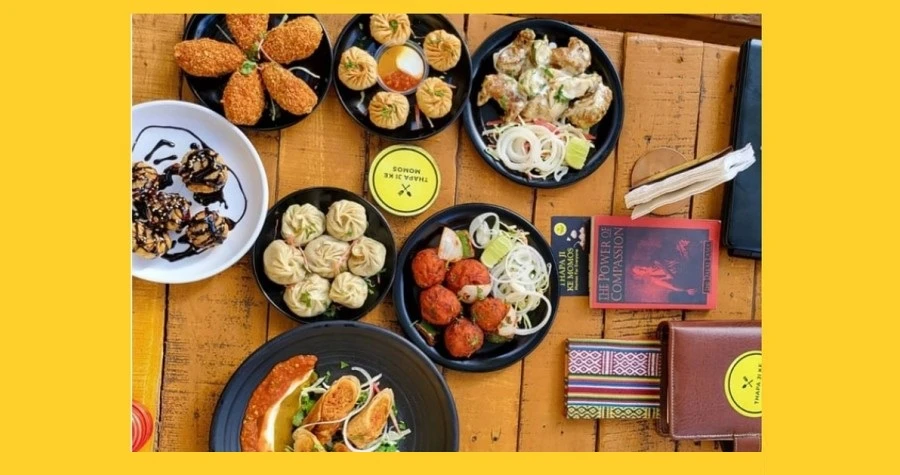
| Steamed Momos | Soft dumplings with traditional fillings |
|---|---|
| Fried Momos | Crispy outer layer with flavorful interiors |
| Tandoori Momos | Grilled with smoky masala flavors |
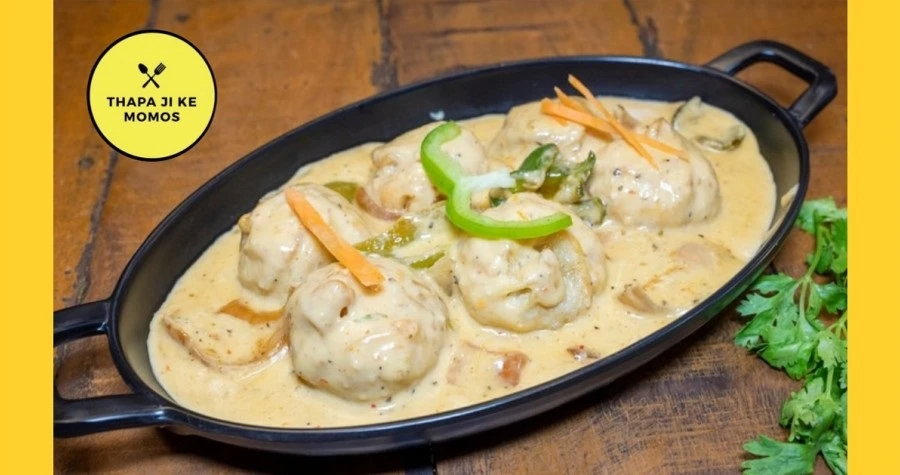
| Cheese & Specialty Variants | Including cheese burst and experimental fillings |
| Indo-Chinese Dishes | Chow mein, fried rice, manchurian, chilli paneer |
| Combo Meals & Thali Packs | Budget-friendly, filling options for groups |
The menu is designed to cater to both individual and family customers.
4. How the Franchise Model Works
Franchise partners operate outlets under the brand’s established systems and recipes. Responsibilities include daily management of the kitchen, customer service, staff supervision, and inventory control. The franchisor provides operational manuals, centralized supply chain support, and marketing guidance. Outlets maintain brand consistency while responding to local market demand.
5. Franchise Cost and Investment Overview
Initial investment requirements include:
| Estimated Investment | INR 10–20 Lakh covering setup, kitchen equipment, and initial inventory |
|---|---|
| Franchise Fee | INR 5,00,000 one-time brand usage and onboarding fee |
| Royalty Fee | 3% of monthly revenue |
| Setup Costs | Kitchen fittings, counters, seating (if applicable), and signage |
The financial structure supports small to mid-scale fast-casual operations.
6. Space and Infrastructure Requirements
Franchise outlets require:
| Space | 200–500 sq.ft, sufficient for kitchen, service counter, and seating if dine-in is offered |
|---|---|
| Location | High-footfall urban streets, commercial areas, near offices or colleges |
| Equipment | Cooking appliances, storage units, display counters, POS systems |
| Staffing | Kitchen and service personnel; lean staffing possible due to quick-service model |
Standardized layouts help maintain operational efficiency.
7. Training and Franchise Support
Franchisor assistance includes:
| Operational Training | Food preparation, hygiene standards, and customer service |
|---|---|
| Store Setup Guidance | Design, layout, and equipment installation |
| Marketing Support | Promotions, social media campaigns, and brand visibility initiatives |
| Supply Chain | Centralized sourcing of ingredients and materials |
| Ongoing Support | Operational troubleshooting and performance monitoring |
These systems help franchisees manage operations efficiently.
8. Revenue Model and ROI Factors
Revenue is generated through in-store sales, takeaway orders, and delivery channels. Key factors:
| Pricing Model | Affordable fast-casual pricing for individuals and groups |
|---|---|
| Demand Drivers | Urban street food demand, college and office demographics |
| Repeat Customer Potential | High, supported by popular signature dishes |
| Operational Costs | Staff wages, ingredient procurement, utilities, and rent |
Expected payback period ranges from 1 to 2 years, dependent on location and footfall.
9. Brand History and Expansion
Thapa Ji Ke Momos was established in 2019 and started franchising in 2025. The brand has grown from a single food stall to a recognized street food concept, with expansion focused on urban markets across India. Current franchise network is small, allowing early investors to capture market presence in emerging cities.
10. What Makes This Franchise Different
Operationally, the brand combines:
- Authentic Himalayan momo recipes with modern quick-service formats
- Affordable pricing while maintaining hygiene and quality
- Flexible outlet size suitable for small retail locations
- Proven menu designed for repeat customer engagement
- Centralized supply chain and marketing support for franchise partners
Advantages of the Franchise
- Growing demand for hygienic, affordable street food
- Scalable business model for small to mid-size urban outlets
- High repeat customer potential due to signature dishes
- Structured operational support from the franchisor
- Early entry advantage in untapped markets
11. Who Should Consider This Franchise
Ideal for:
- First-time entrepreneurs entering the food service sector
- Investors seeking small-format, scalable quick-service outlets
- Operators comfortable managing kitchen and front-of-house operations
- Food enthusiasts wanting to leverage an established recipe-based brand
13. Similar Franchise Opportunities
Investors may consider:
- Wow! Momo
- Wow! China Momos
- Momos & More
- Yum Momos
- Momos Express
These brands operate in the fast-casual street food and quick-service momo segment in India.
Investment and financials
Investor fit profile
Franchise support
Brand strength
Forefind rank history
Licences and compliance
Gallery
Frequently asked questions
The estimated investment is INR 10–20 Lakh, covering franchise fees, kitchen setup, initial inventory, and minor infrastructure requirements.
Franchisees manage daily operations, including cooking, customer service, and inventory management, under brand guidelines. Central support includes supply chain, marketing, and operational manuals.
Outlets require 200–500 sq.ft, accommodating a small kitchen, service counter, and optional seating for dine-in customers.
The payback period is typically 1–2 years, depending on location, foot traffic, and sales performance.
Investors contact the franchise team, submit details of location and investment capability, and undergo evaluation for approval and onboarding. ## 13. Similar Franchise Opportunities
Disclaimer: All scores, rankings, and estimates on ForeFind are independently produced editorial assessments using publicly available data and validated brand-submitted information. They are not verified facts, financial advice, or investment recommendations. Full Disclaimer.
